
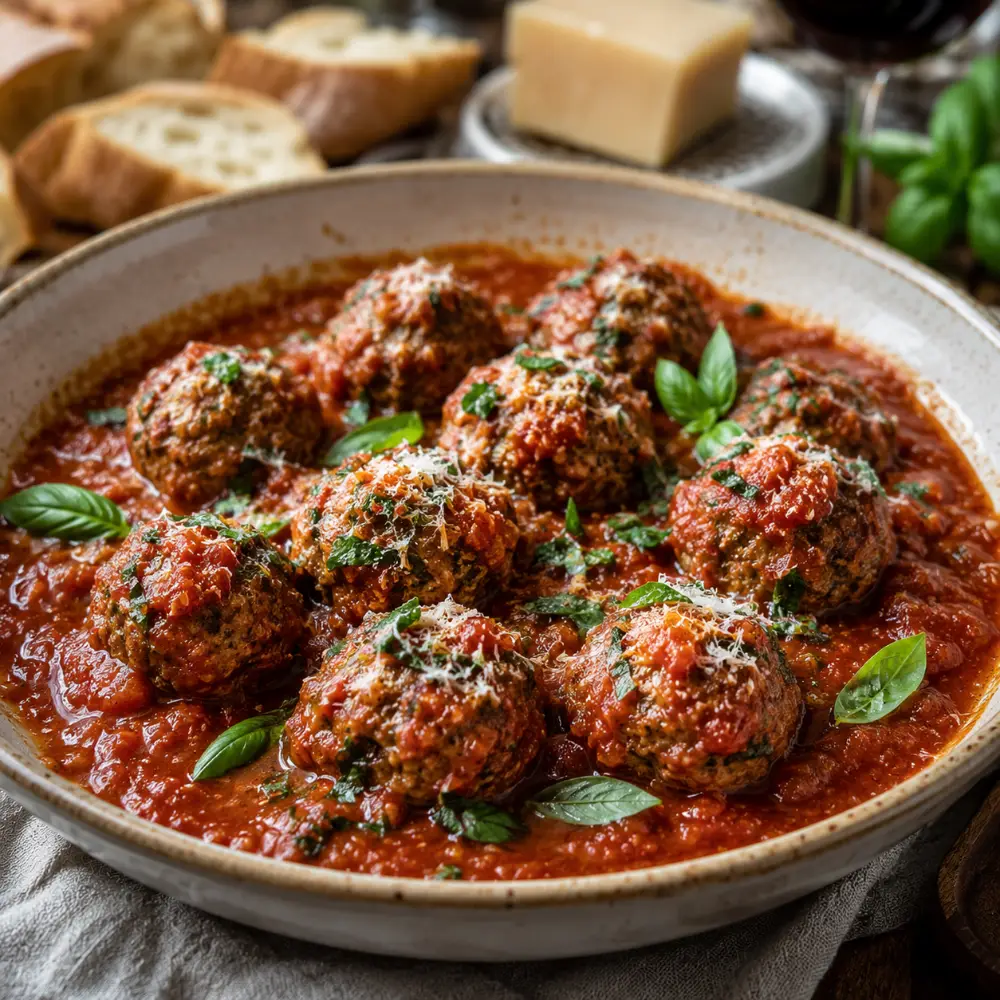
Tender Italian meatballs, rich tomato sauce and the unmistakable comfort of a meal made to be shared
There are recipes that feed you, and then there are recipes that make you feel at home.
Italian polpette belong firmly in the second category.
Soft, tender meatballs simmering gently in a rich tomato sugo are the kind of food that brings everyone towards the kitchen. There is something wonderfully generous about placing a large dish in the centre of the table and letting everyone serve themselves.
The secret to beautifully tender meatballs is not complicated. A combination of pork and veal provides richness and depth, while soaked bread keeps the mixture wonderfully soft. Parmesan and Pecorino add savoury character, and a little finely blended carrot, celery and garlic quietly builds another layer of flavour.
The meatballs are gently browned before being finished in a slow-cooked tomato sauce, allowing them to absorb all those wonderful Mediterranean flavours.
This is not fast food.
It is food for a Sunday afternoon, a bottle of Italian wine and a table that nobody is in a hurry to leave.
The recipe
Serves: 6
Prep time: 25 minutes
Cooking time: 1½-2 hours
Difficulty: Intermediate
Ingredients
For the meatballs
- 500 g pork and veal mince
- 2 slices good-quality white bread, crusts removed
- 80 ml water or milk
- 3 eggs
- 3 garlic cloves
- ½ carrot, peeled
- ½ celery stalk
- 3 tbsp fresh breadcrumbs
- 3 tbsp finely grated Parmigiano Reggiano
- 3 tbsp finely grated Pecorino Romano
- 2 tbsp fresh parsley, finely chopped
- ½ tsp dried oregano
- ½ tsp dried marjoram
- ½ tsp dried sage
- 1 tbsp extra virgin olive oil
- Sea salt
- Freshly ground black pepper
For the tomato sugo
- 1 tbsp extra virgin olive oil
- 1 garlic clove
- ⅓ carrot
- ⅓ celery stalk
- 700 ml good-quality passata
- A small handful of fresh basil leaves
- Sea salt
- Freshly ground black pepper
To finish
- Fresh basil leaves
- Extra Parmigiano Reggiano or Pecorino Romano
- Extra virgin olive oil
Method
1. Start with the sugo
Begin with the tomato sauce, as the longer it cooks, the more rounded and luxurious the flavour becomes.
Finely chop the carrot, celery and garlic, or blend them together with a tablespoon of extra virgin olive oil until you have a very fine vegetable paste.
Warm a generous drizzle of olive oil in a large, heavy-based saucepan over low to medium heat.
Add the vegetable mixture and cook gently for several minutes until softened and fragrant.
Pour in the passata and season lightly with sea salt and freshly ground black pepper.
Bring to a very gentle simmer.
Lower the heat as far as possible and allow the sugo to cook slowly for at least 60 minutes, preferably closer to 90 minutes. Stir occasionally and add a small splash of water if the sauce becomes too thick.
Add the basil towards the end of cooking.
2. Soak the bread
Place the bread in a small bowl and pour over the water or milk.
Leave for a few minutes until completely soft.
Squeeze out the excess liquid with your hands and break the bread into small pieces.
This humble step is one of the secrets to tender polpette. The bread keeps the meatballs moist rather than dense.
3. Build the meatball mixture
Finely blend the carrot, celery and garlic with the olive oil until smooth.
Place the pork and veal mince in a large bowl.
Add the vegetable mixture, eggs, soaked bread, fresh breadcrumbs, parsley, dried herbs, Parmigiano and Pecorino.
Season generously with sea salt and freshly ground black pepper.
Using your hands, gently mix everything together until evenly combined.
Do not knead the mixture. The less aggressively you handle it, the lighter the finished meatballs will be.
4. Shape the polpette
Lightly wet your hands and take a portion of the mixture.
Roll it gently between your palms into a smooth ball, approximately the size of a walnut or small golf ball.
Place each meatball on a baking-paper-lined tray.
Continue until all the mixture has been used. Try to keep the meatballs roughly the same size so that they cook evenly.
5. Brown the meatballs
Heat a generous drizzle of extra virgin olive oil in a large frying pan over medium heat.
Add the meatballs in batches, making sure not to overcrowd the pan.
Cook for approximately 4–5 minutes, turning gently so they develop a beautiful golden-brown crust on several sides.
They do not need to be cooked through at this stage.
The purpose is to create colour and flavour before they meet the tomato sauce.
6. Let the sugo do the work
Once browned, transfer the meatballs into the warm tomato sugo.
Gently spoon the sauce over them so they are almost completely covered.
Cover the pan loosely and allow the polpette to simmer gently for approximately 20–30 minutes, turning them carefully once or twice.
The meatballs will finish cooking in the sauce while releasing their savoury flavour into the sugo.
Taste the sauce towards the end and adjust the seasoning if necessary.
7. Bring them to the table
Transfer the meatballs and plenty of sauce to a large, warm serving dish.
Scatter generously with fresh basil and finish with freshly grated Parmigiano Reggiano or Pecorino Romano.
A final drizzle of extra virgin olive oil adds a beautiful glossy finish.
Serve immediately.
The secret to tender polpette
There are three details that make a noticeable difference.
Use a mixture of meats. Pork provides richness while veal keeps the flavour delicate.
Don’t skip the soaked bread. It gives the meatballs their characteristic soft, almost silky texture.
And finally, handle the mixture gently. Once everything is combined, resist the temptation to work it like dough.
You are making meatballs, not bread.
How to serve them
There is a certain misconception that Italian meatballs must always be served with spaghetti.
They certainly can be, but in Italy, polpette are often enjoyed in their own right.
Serve these as a generous main course with crusty bread for soaking up the sugo, a simple bitter-leaf salad and perhaps some grilled vegetables.
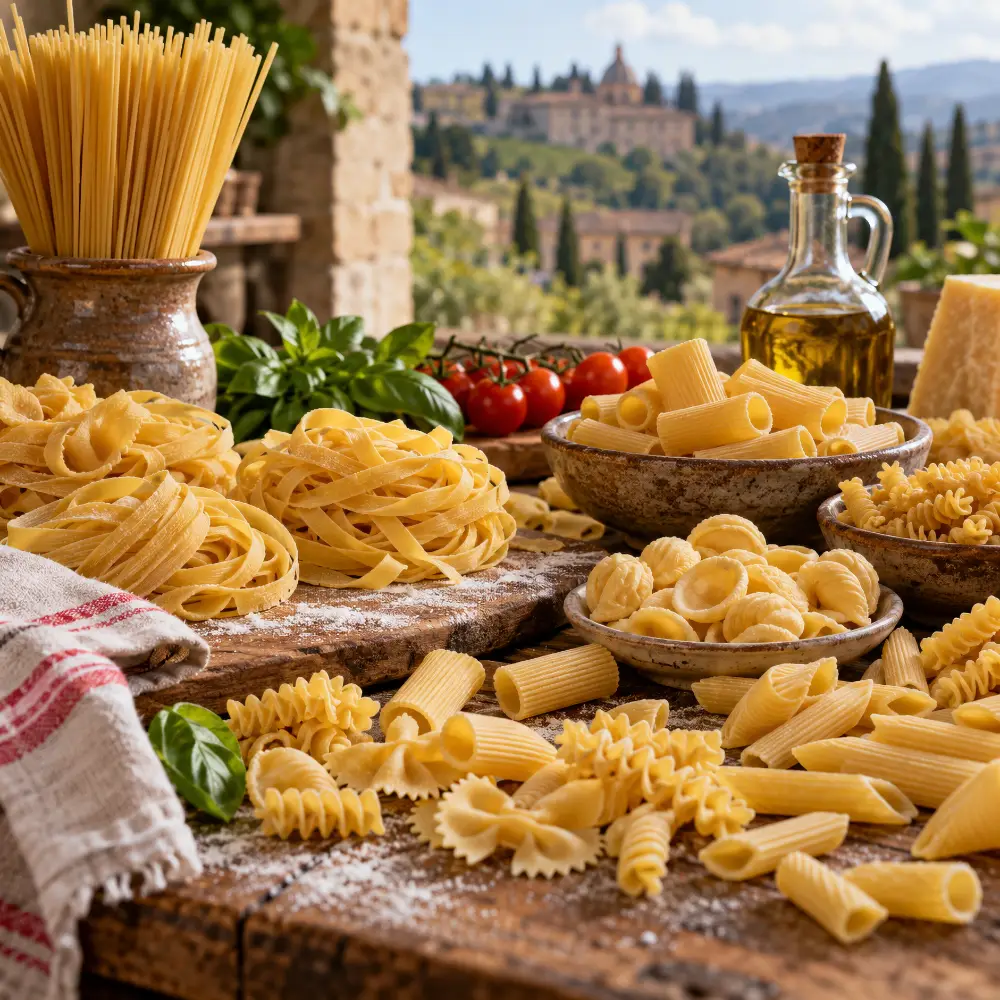
If you do want pasta, keep it simple. Spaghetti, rigatoni or penne work beautifully, but allow the meatballs and sauce to remain the stars of the plate.
For an indulgent version, place a few polpette inside a warm crusty Italian roll, spoon over plenty of sugo and finish with melted mozzarella.
A little La Dolce Vita
This is the sort of recipe that rewards you for slowing down.
Start the sugo in the afternoon. Let the kitchen gradually fill with the aroma of tomatoes, garlic and herbs. Pour yourself a glass of wine while you shape the polpette.
Then bring the finished dish to the table in one generous platter.
No complicated presentation is necessary.
Just tender meatballs, rich tomato sauce, good bread, good wine and people you enjoy having around the table.
That, after all, is the real beauty of Italian cooking.
Buon appetito.



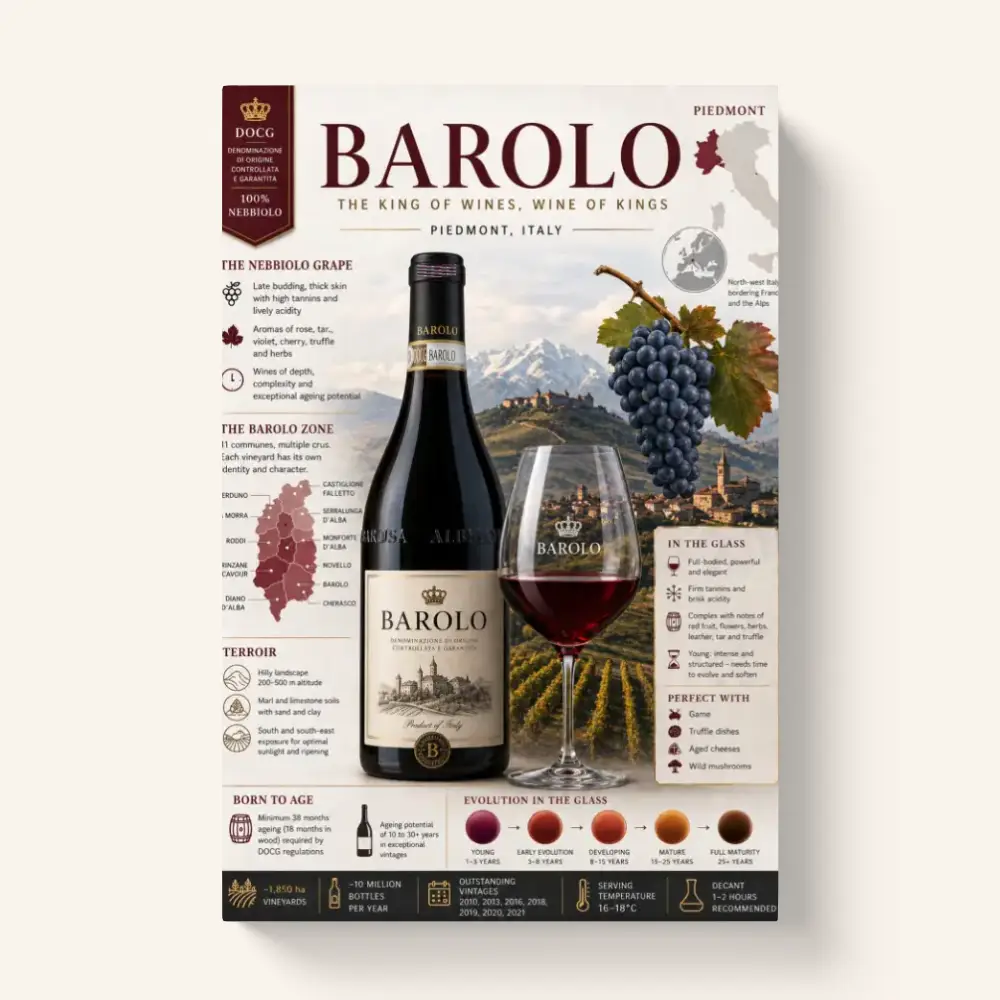

Italian Red Wines (Digital Guide)
(including € 1,04 VAT)
Discover the timeless elegance of Italy’s most iconic red wines with this beautifully designed digital guide. From bold Barolo to refined Chianti Classico, this visual journey introduces you to the character, regions, and heritage behind each wine.
Perfect for wine lovers who want to explore with confidence, impress guests, or simply enjoy the Italian way of life.
✔ Instant download
✔ Elegant, high-quality design (perfect for printing or tablet use)
✔ Ideal as a personal guide or stylish gift
Bring a touch of La Dolce Vita into your home one glass at a time.