

Smart Living Made Simple: Why Domotica Is Becoming Essential in Modern Homes
Not long ago, home automation felt futuristic, expensive, and overly technical. Today, domotica has quietly become part of everyday life especially for homeowners who value comfort, atmosphere, convenience, and a touch of luxury.
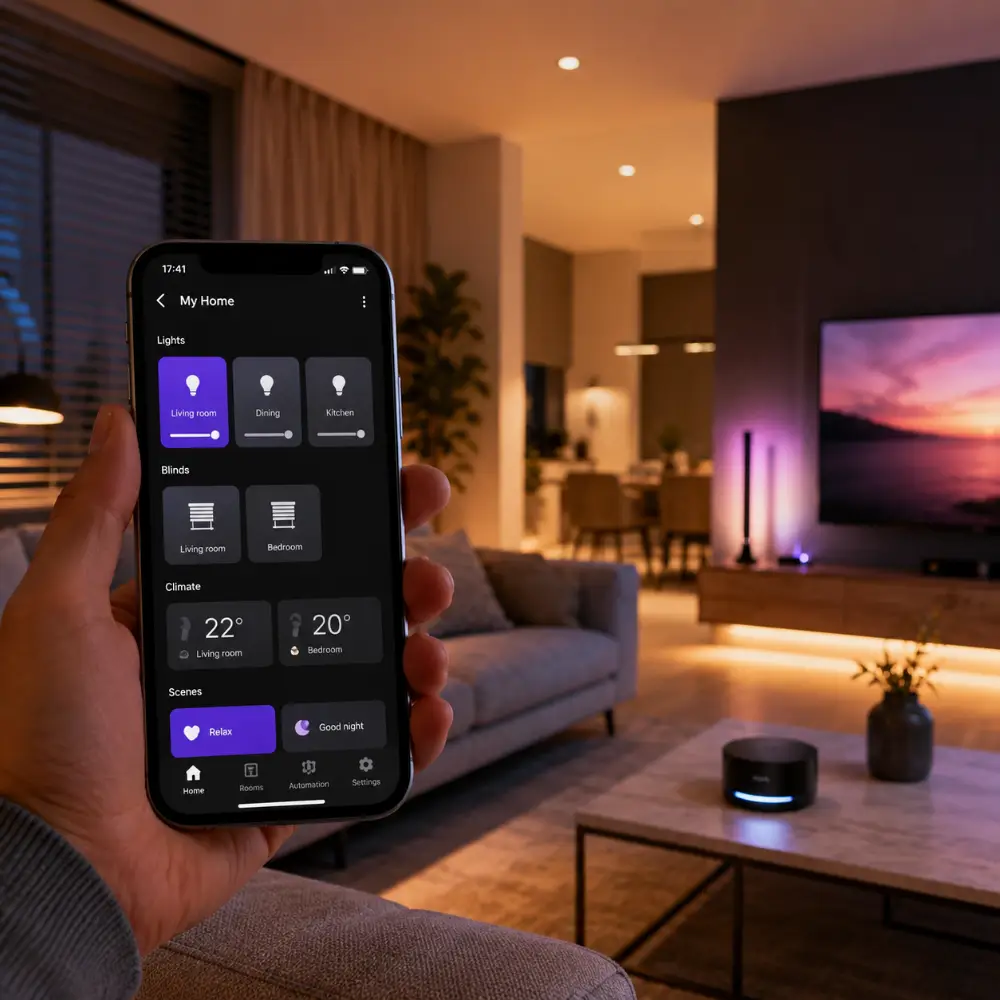
From lights that automatically adapt to your mood, to curtains that close themselves at sunset, smart homes are no longer reserved for technology enthusiasts. Systems such as Philips Hue, Apple HomeKit, Google Home, and Amazon Alexa have made home automation surprisingly simple and accessible.
For many people over forty, domotica is not about gadgets. It is about creating a calmer, more comfortable lifestyle where your home quietly works for you.
The Beauty of Smart Lighting
If there is one product that introduced people to smart homes, it is probably Philips Hue.
At first glance, smart lighting may seem unnecessary. After all, a traditional light switch already works perfectly well. But once you experience how adaptable smart lighting can be, it quickly becomes difficult to imagine going back.
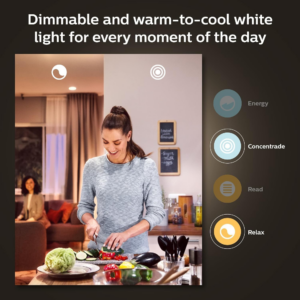
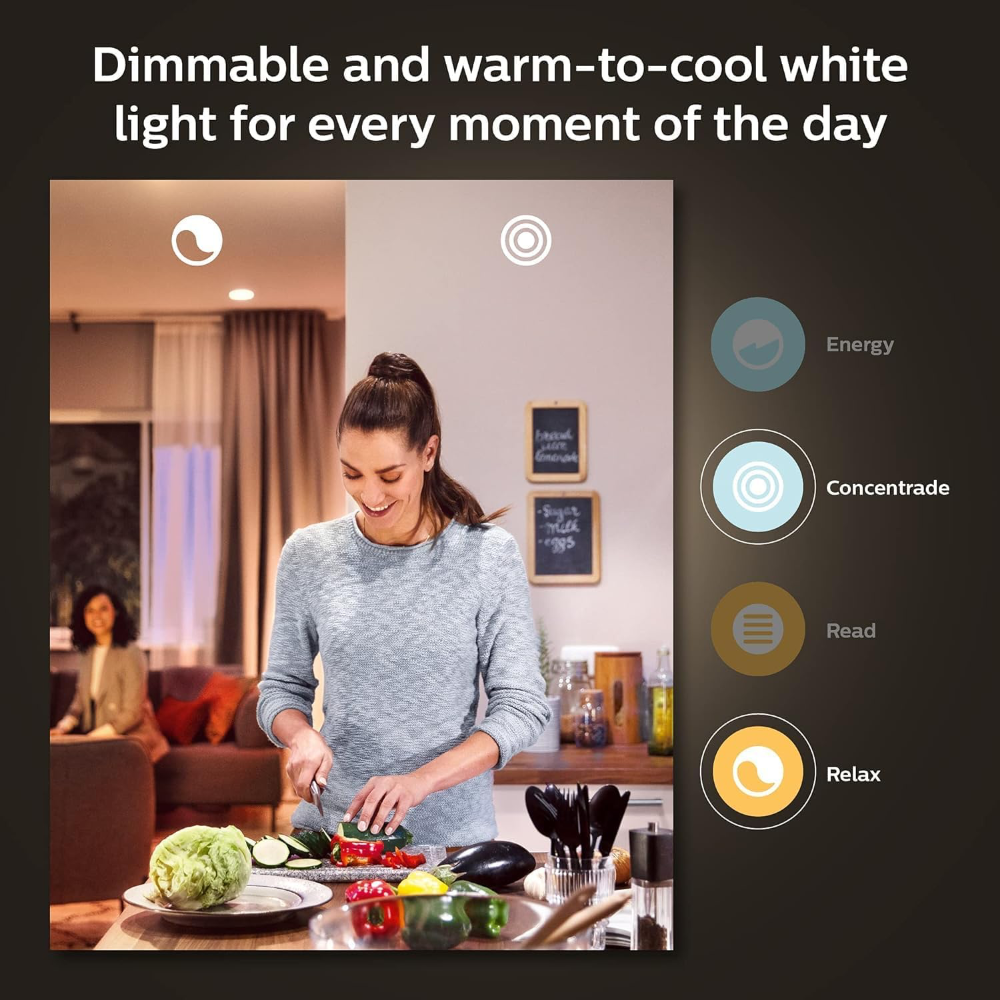
With Philips Hue, lighting becomes part of the atmosphere of your home rather than simply illumination. Bright white light in the morning helps energise your day, while warm amber tones in the evening create a relaxed and luxurious feeling.
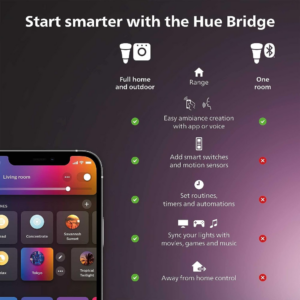
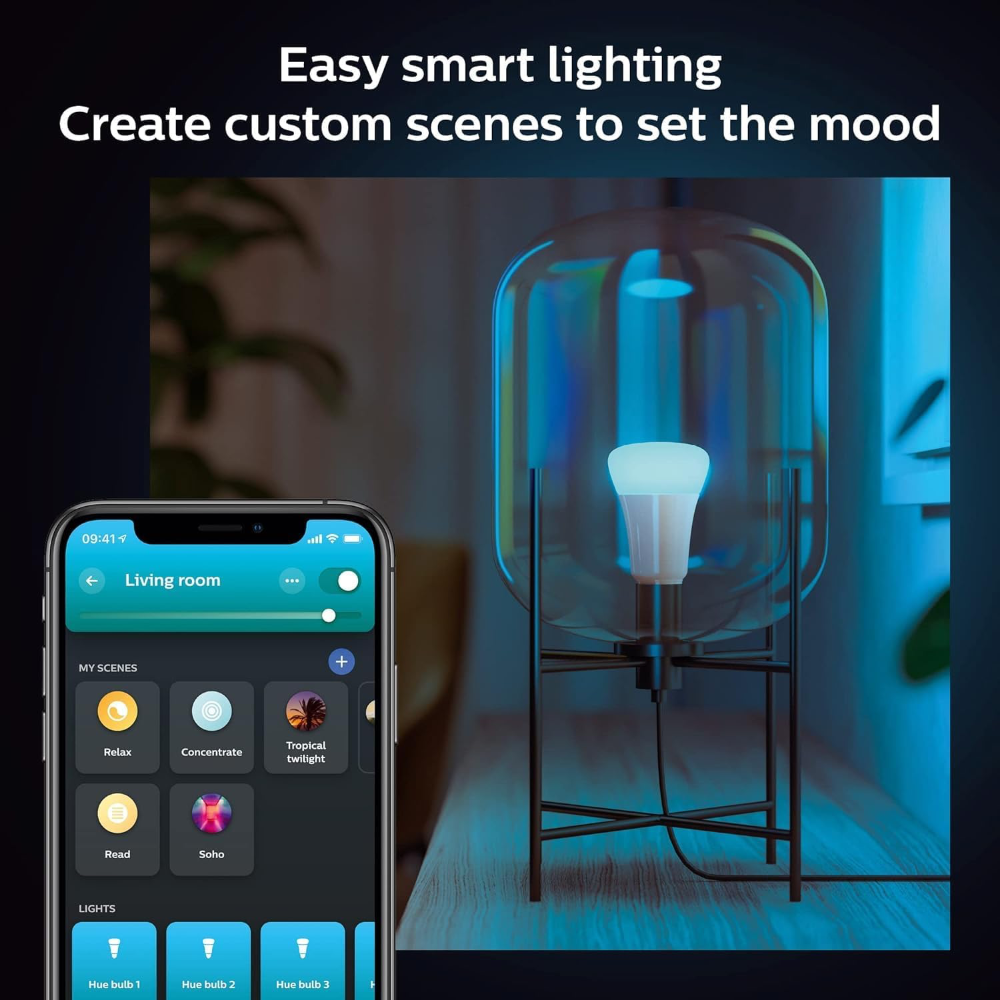
The system is remarkably easy to use. Using a smartphone app, you can:
- Dim lights without installing dimmers
- Change colour temperature
- Create lighting scenes
- Set schedules
- Control rooms individually
- Turn lights on or off remotely
- Automate lighting based on time or location
And perhaps most importantly: you do not need technical knowledge to make it work.
Modern smart home systems are designed to feel intuitive. Most people can install and configure a basic Philips Hue setup within minutes.
Motion Sensors That Feel Natural
One of the most underrated smart home features is the humble sensor.
A simple motion sensor can quietly improve daily comfort in ways you only notice once you have lived with it. Imagine walking downstairs early in the morning and soft lighting automatically turning on without touching a switch.
Or entering a hallway at night where subtle warm light guides your way without fully waking you up.
Hue motion sensors can also help save energy. Lights automatically switch off when nobody is in the room, preventing unnecessary electricity use.
The beauty of good domotica is that it feels invisible. The technology fades into the background while your home simply feels more intelligent and responsive.
Combining Everything With Apple HomeKit, Google Home and Alexa
Where smart homes become truly impressive is when different devices begin working together.
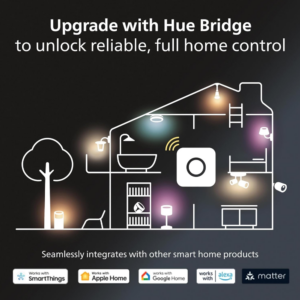
Platforms like Apple HomeKit, Google Home, and Amazon Alexa act as the central hub connecting lighting, heating, curtains, cameras, speakers, sensors, and appliances into one seamless ecosystem.
This means your home can respond automatically to situations without you needing to think about it.
For example:
- Your curtains close automatically at sunset
- The lights dim when you start a film
- Outdoor lighting switches on when motion is detected
- Heating adjusts based on room occupancy
- Bedroom lights gradually brighten in the morning
- Music starts automatically during dinner time
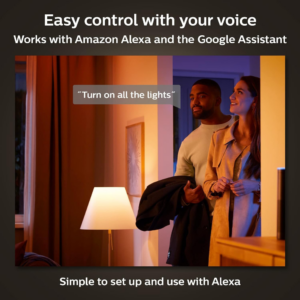
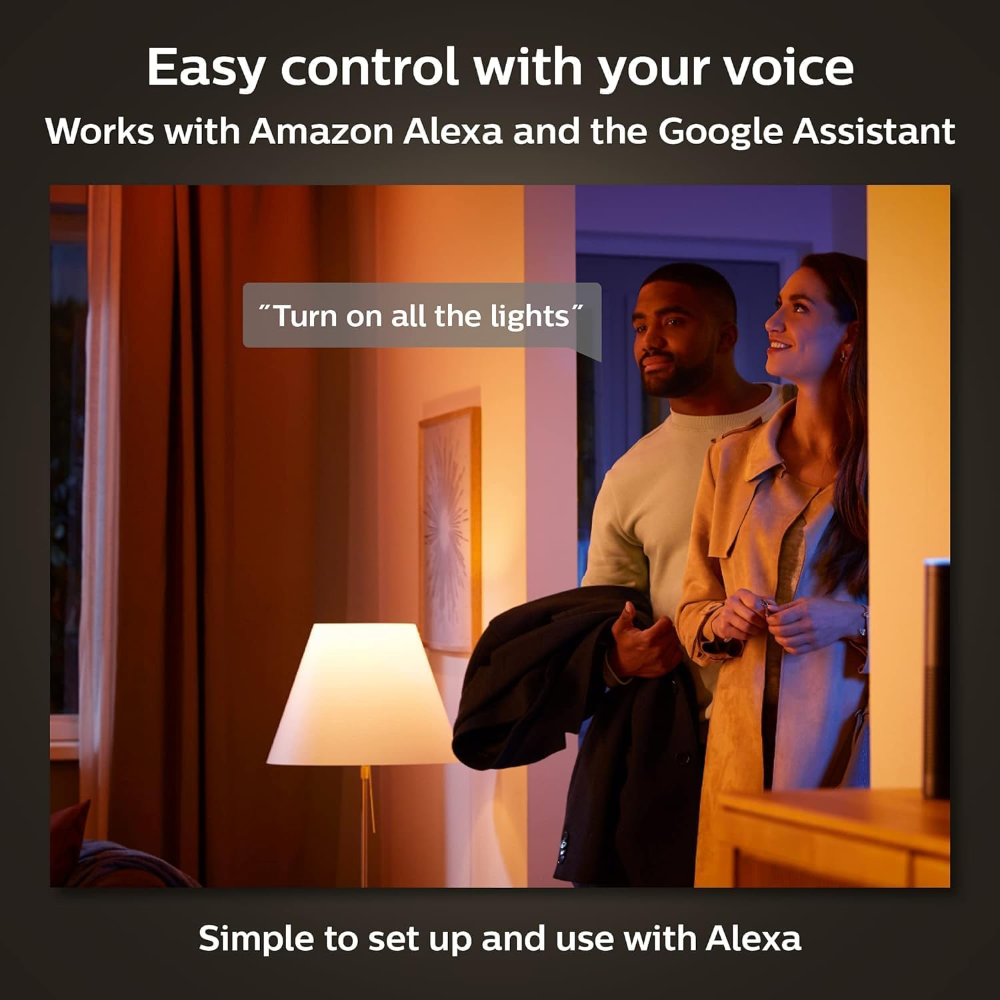
Voice assistants also make everyday tasks effortless.
A simple command such as:
“Good evening”
could trigger:
- Warm ambient lighting
- Closed curtains
- Soft background music
- Reduced thermostat temperature
The experience feels surprisingly luxurious, even though the technology behind it is now widely available.
Smart Heating and GPS Location Automation
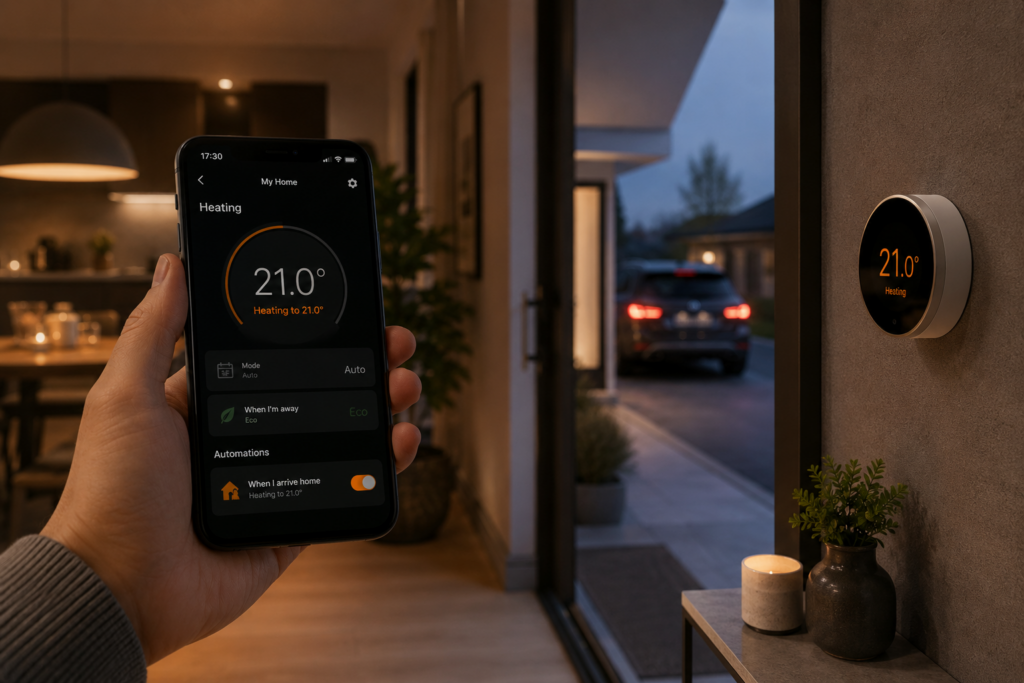
One of the most practical uses of domotica is intelligent heating control.
Using GPS location data from your smartphone, your home can detect whether you are nearby, at home, or away.
This creates automations such as:
- Heating turning on when you are driving home
- Lights automatically switching on before arrival
- Devices powering down when everyone leaves the house
- Energy-saving mode activating during holidays
The result is not only comfort, but efficiency.
Instead of heating an empty home all day, your system intelligently adjusts itself around your lifestyle. During colder months especially, this can significantly improve both comfort and energy consumption.
For many homeowners, this combination of convenience and energy efficiency makes smart home technology feel less like luxury and more like a sensible modern investment.
Smart Curtains and Blinds
Automated curtains are another feature rapidly becoming popular in stylish modern homes.
Motorised blinds and curtains can:
- Open gradually in the morning
- Close automatically at sunset
- Help regulate room temperature
- Improve privacy
- Enhance home security when travelling
Combined with smart lighting, they create a calm and sophisticated atmosphere that feels remarkably premium.
There is also something deeply satisfying about a home responding naturally to daylight rhythms without constant manual adjustment.
Luxury today is increasingly about simplicity and ease.
Security and Peace of Mind
Smart homes are also helping homeowners feel more secure.
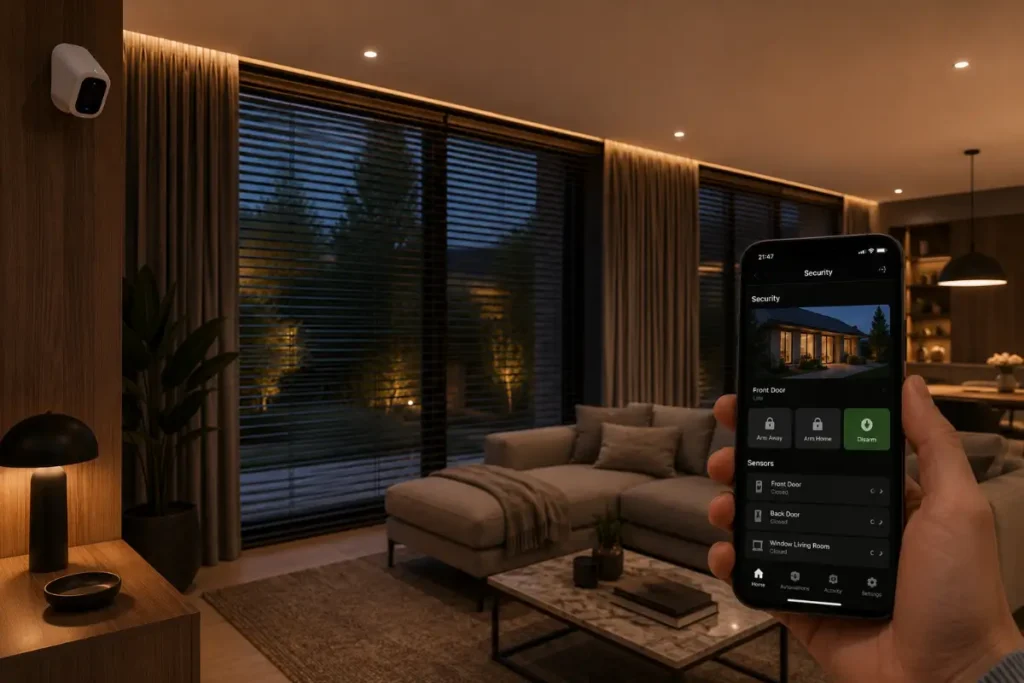
Connected cameras, doorbells, and sensors allow you to check your property remotely from almost anywhere in the world.
You can:
- Receive alerts when someone approaches your home
- See who is at the door
- Simulate occupancy while travelling
- Monitor windows and doors
- Automatically illuminate outdoor areas when movement is detected
For frequent travellers or second-home owners, this additional peace of mind is often invaluable.
And unlike older alarm systems, modern smart security products are usually elegant, discreet, and easy to integrate into existing interiors.
Is Domotica Difficult to Install?
This is perhaps the biggest misconception surrounding smart homes.
Years ago, home automation often required specialist installers, complicated wiring, and expensive custom systems.
Today, many smart products are almost plug-and-play.
A basic setup may involve:
- Smart bulbs
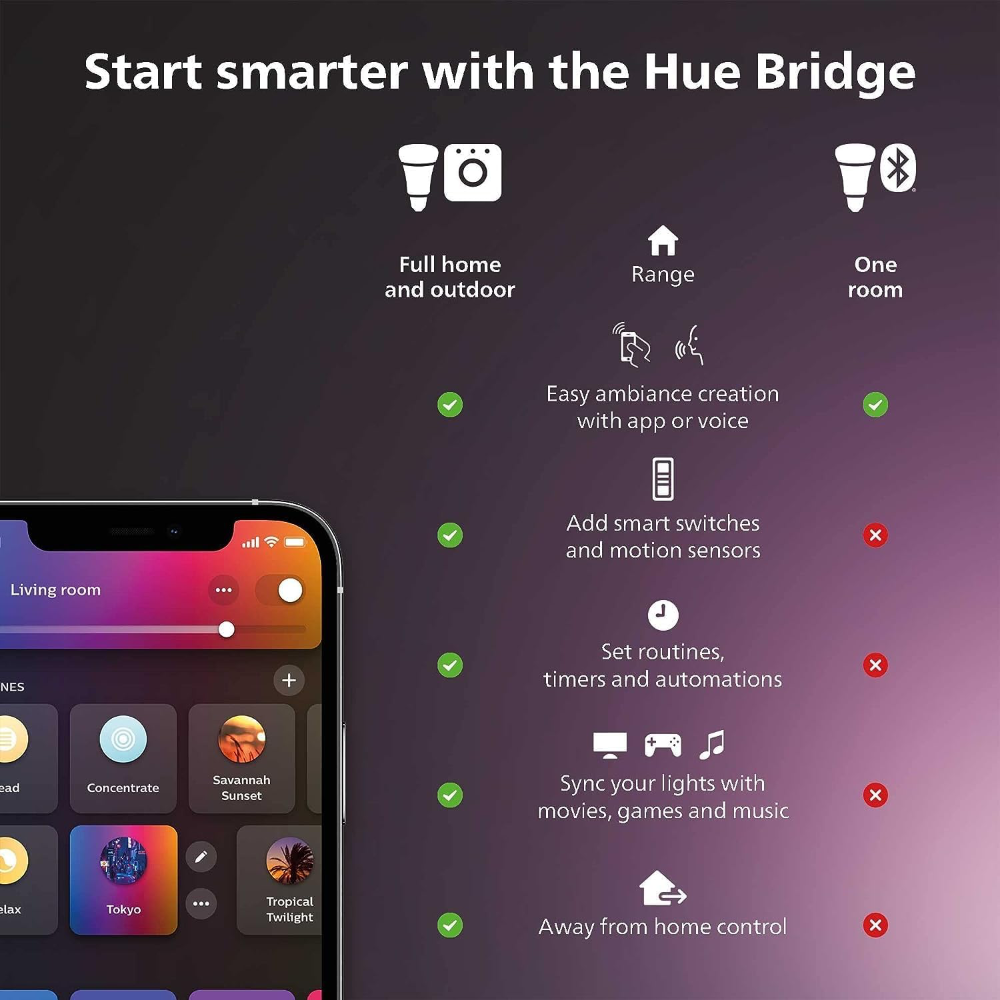
- A bridge or hub
- A smartphone app
- Wi-Fi connection
From there, you can gradually expand your system over time.
Many homeowners start with lighting and slowly add:
- Smart plugs
- Thermostats
- Sensors
- Speakers
- Cameras
- Curtains
- Doorbells
The flexibility is one of the greatest strengths of modern domotica. You do not need to automate everything at once.
Creating a Lifestyle, Not Just a Smart House
What makes domotica especially appealing for the modern forty-plus homeowner is that it enhances lifestyle rather than merely adding technology.
A well-designed smart home can create:
- More comfort
- Better atmosphere
- Less daily friction
- Improved energy efficiency
- Enhanced relaxation
- Greater peace of mind
In many ways, smart homes reflect the broader luxury lifestyle movement: investing in experiences that improve quality of life.
It is no longer about impressing guests with technology. It is about making everyday living feel smoother, calmer, and more enjoyable.
And once you experience lights adjusting automatically, curtains responding to daylight, and your home welcoming you back after a long day — it becomes surprisingly difficult to return to ordinary switches and timers.
The future of living may not be about bigger homes.
It may simply be about smarter ones.
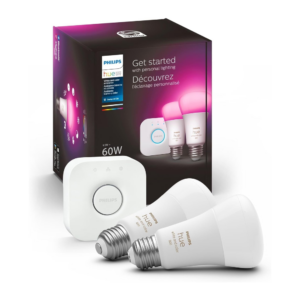
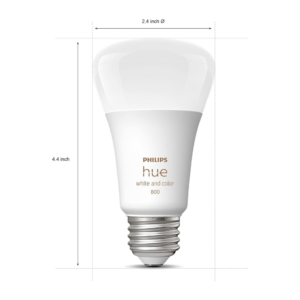
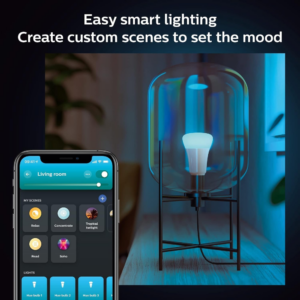
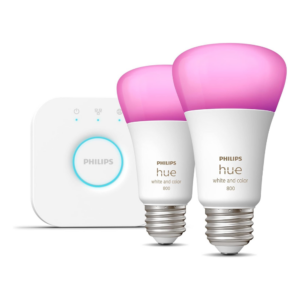
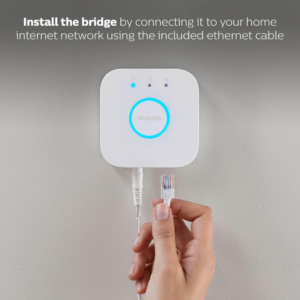
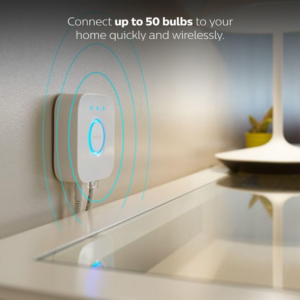
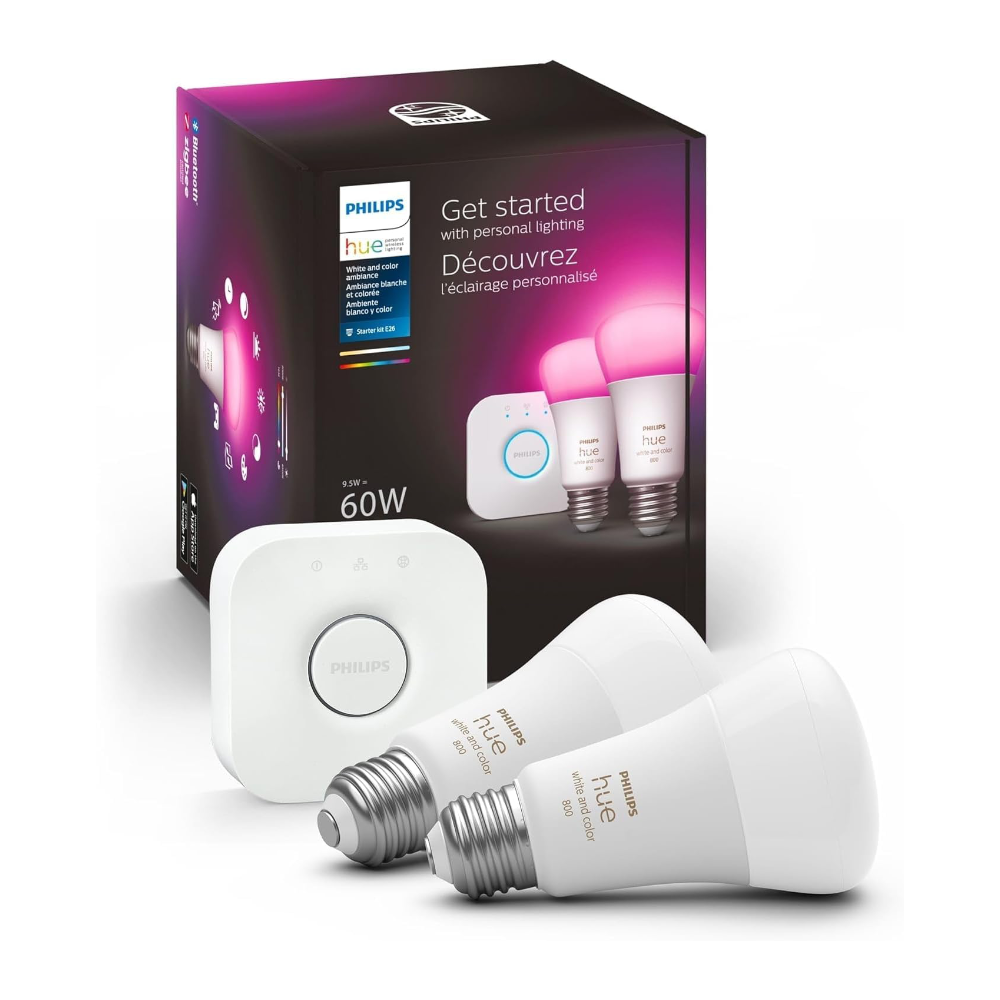
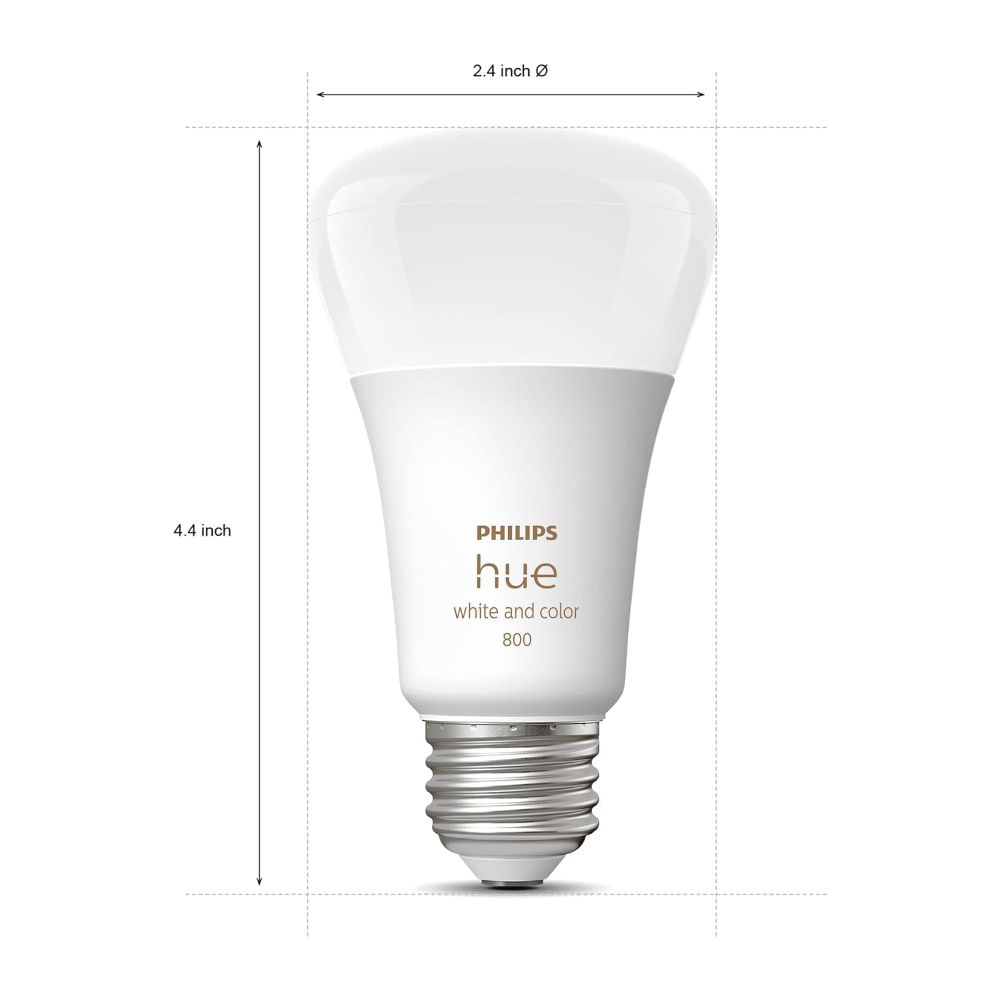
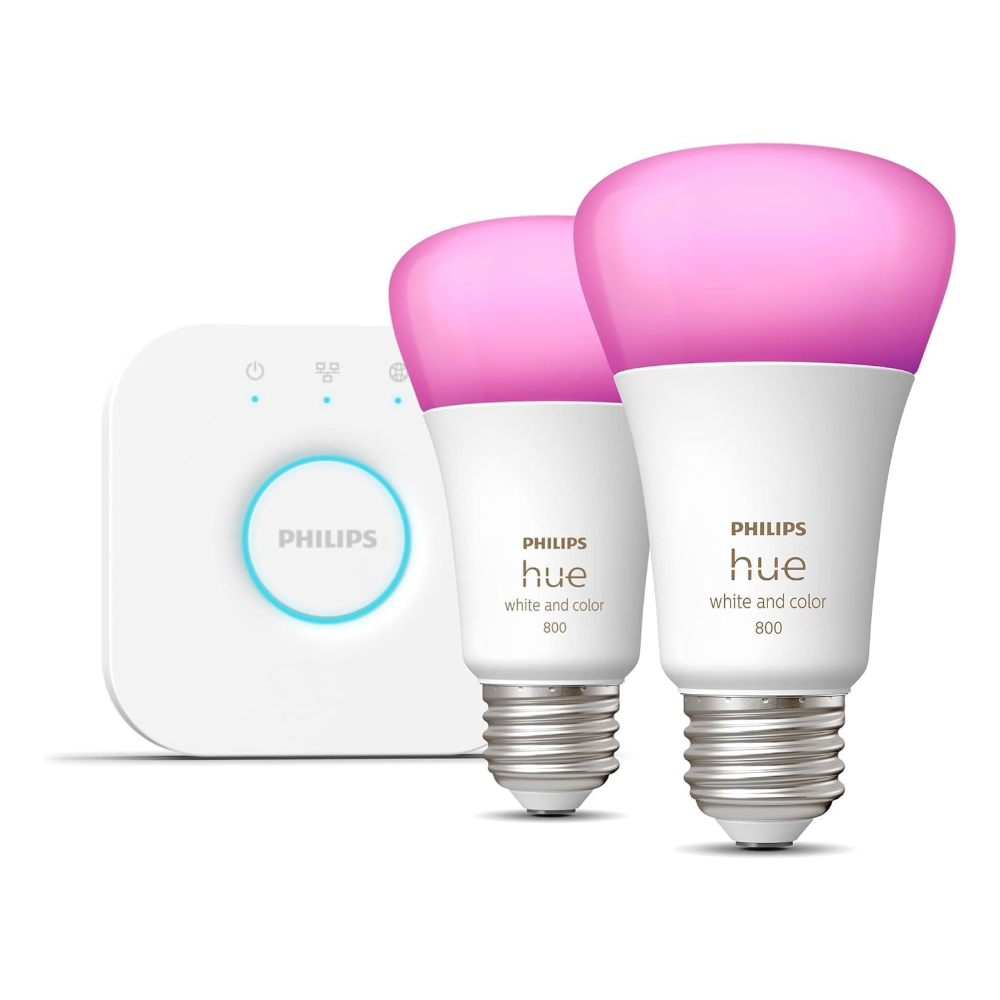
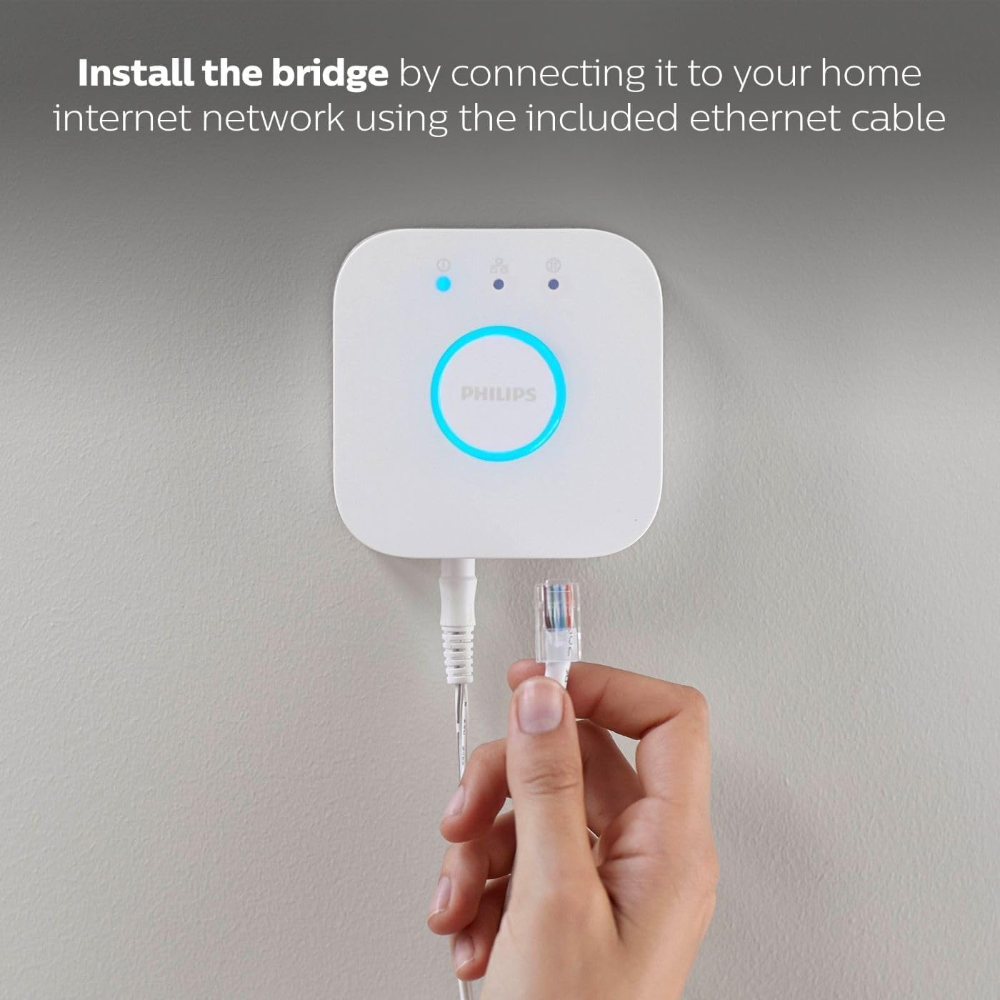
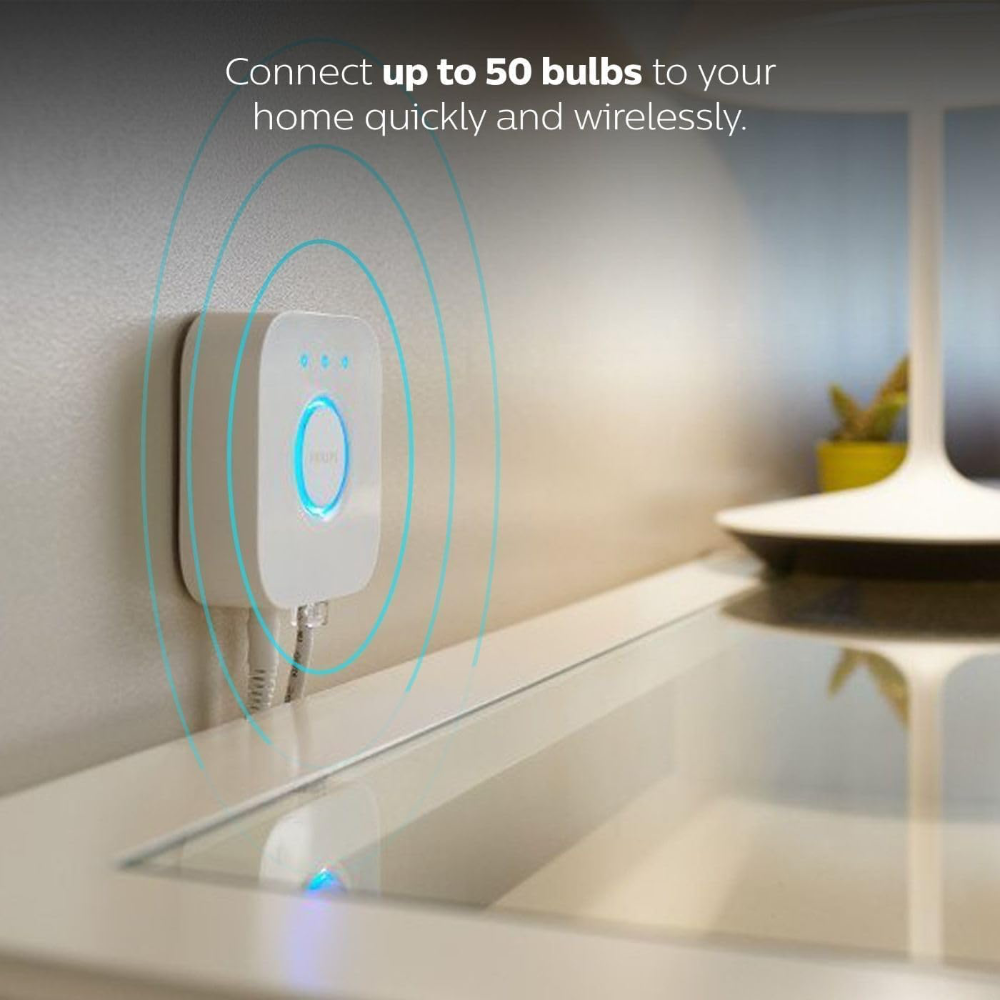
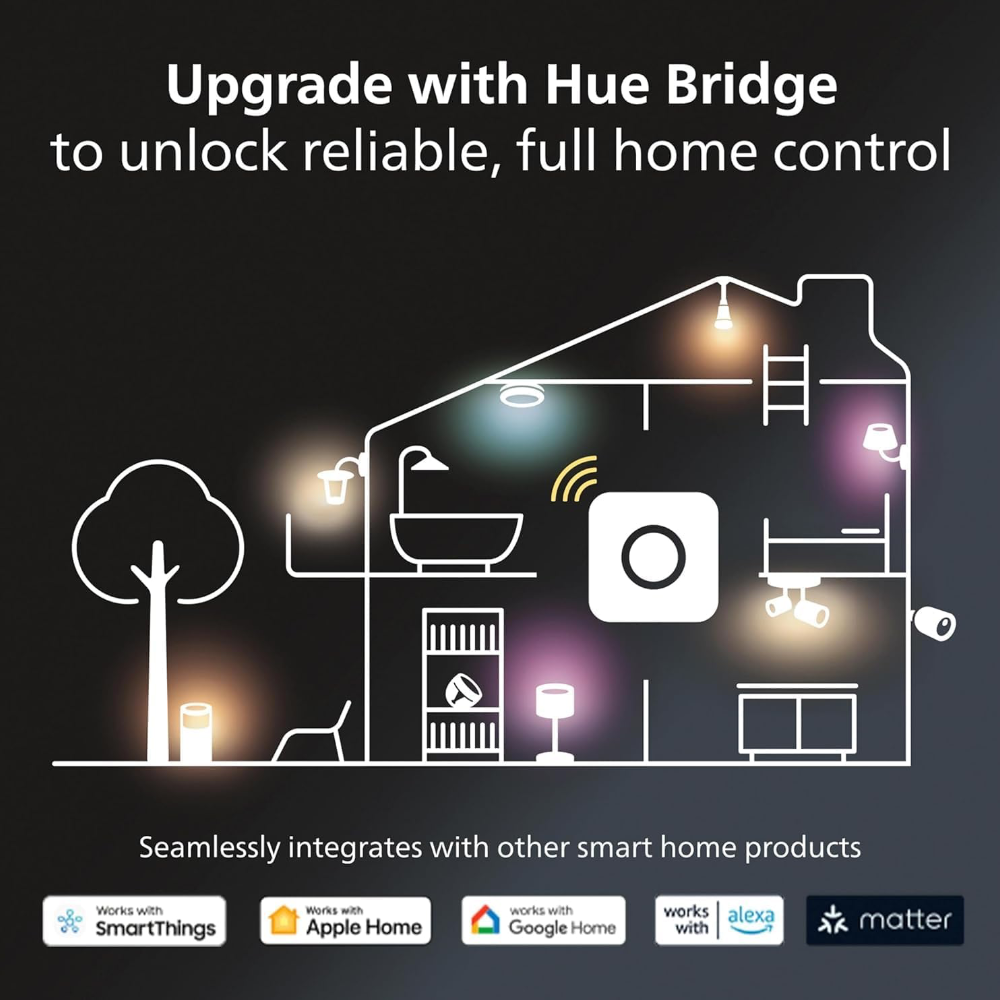
Philips Hue Smart Light Bulbs Starter Kit
(including € 12,67 VAT)
Transform your home with Philips Hue smart lighting, featuring millions of colours, voice control, automation and personalised scenes for every mood and occasion.