

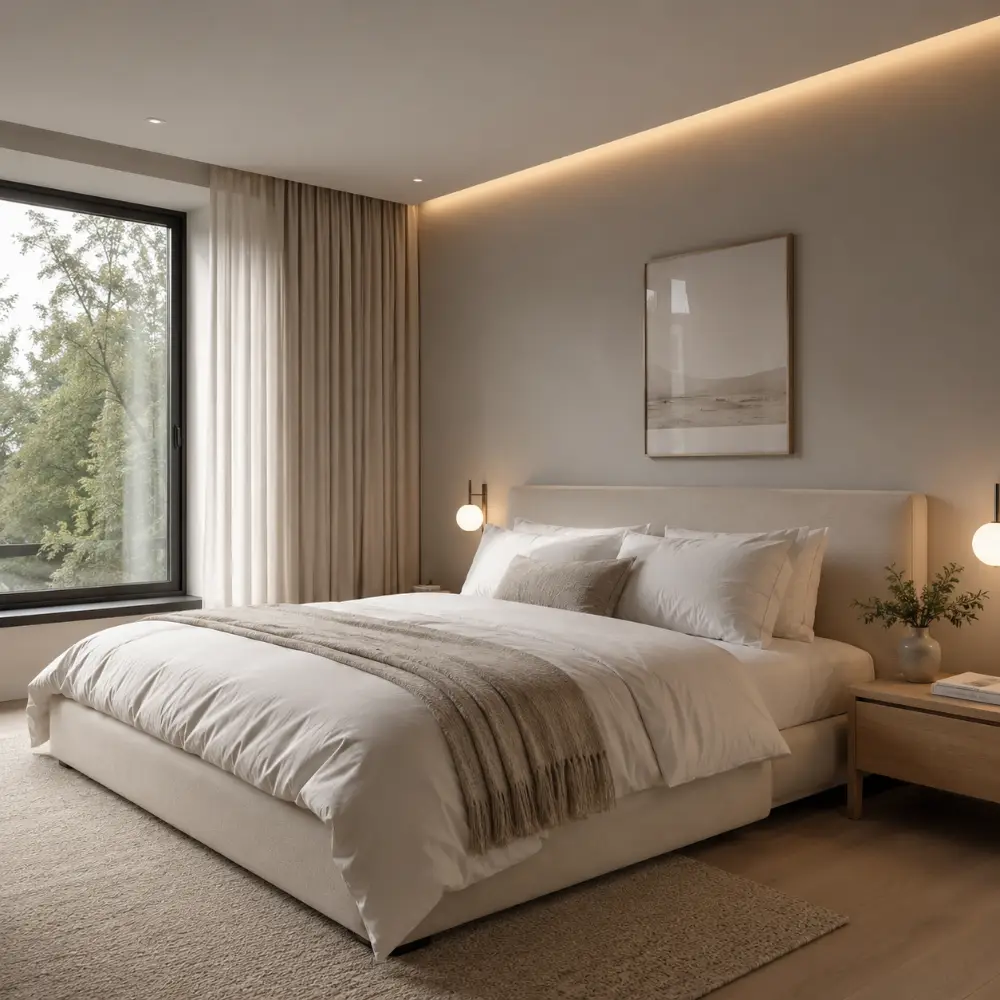
Minimalist Bedrooms for Better Sleep
In a world filled with notifications, busy schedules, and endless distractions, the bedroom should feel like a calm retreat rather than an extension of everyday chaos. More people over forty are discovering that a minimalist bedroom is not simply a design trend. It is a lifestyle choice that can genuinely improve sleep quality, reduce stress, and create a more peaceful atmosphere at home.
Minimalism does not mean living in an empty white box. It means surrounding yourself only with elements that bring comfort, calm, and purpose. A thoughtfully designed bedroom can help your mind slow down at the end of the day and make falling asleep feel far more natural.
Why Minimalism Supports Better Sleep
Our brains constantly process visual information. A cluttered bedroom filled with piles of clothes, cables, unnecessary furniture, and busy décor can subconsciously increase mental stimulation. Even when we do not notice it directly, visual clutter often creates a feeling of unfinished tasks and tension.
A minimalist bedroom reduces that mental noise. Clean lines, soft colours, organised surfaces, and carefully selected furniture create a sense of order. This calm environment signals to the brain that the room is a place for rest and recovery.
Studies in sleep psychology regularly show that relaxing surroundings can help reduce stress hormones and support deeper, more restorative sleep. Minimalism naturally aligns with those principles.
Choosing a Calming Colour Palette
Colour plays a major role in the mood of a bedroom. Minimalist interiors typically focus on soft, neutral tones that feel warm and timeless rather than cold or clinical.
Some excellent colour choices include:
- Warm whites
- Soft beige
- Sand tones
- Taupe
- Light greys
- Muted olive greens
- Dusty blues
These shades reflect natural light beautifully and create a gentle atmosphere that encourages relaxation. Avoid overly bright colours or strong contrasts in the bedroom, as they may feel too energising before bedtime.
Natural materials such as linen, wood, wool, and cotton complement minimalist colours perfectly and add warmth to the space.
Less Furniture, More Space
One of the biggest mistakes in bedroom design is overcrowding the room. Large wardrobes, extra chairs, decorative tables, and excessive accessories often make the space feel visually heavy.
A minimalist bedroom focuses only on essentials:
- A comfortable bed
- Quality bedside tables
- Functional lighting
- Practical storage
- Perhaps one statement piece of art
By removing unnecessary furniture, the room immediately feels more spacious and breathable. Even smaller bedrooms can appear luxurious when there is enough open space around the furniture.
The goal is not emptiness. The goal is balance.
Investing in Quality Bedding
Minimalism is often associated with buying less but buying better. Nowhere is this more important than in the bedroom.
Luxury hotel-style bedding can completely transform sleep quality. Crisp cotton sheets, breathable linen, supportive pillows, and a high-quality duvet make the bed feel inviting and restorative.
Many people spend money on decorative accessories while overlooking the importance of the mattress itself. Yet proper support during sleep has a direct impact on energy levels, posture, and overall wellbeing.
A minimalist bedroom encourages investment in comfort rather than excess decoration.

Hidden Storage Creates Instant Calm
Clutter is one of the biggest enemies of a restful bedroom. The solution is not necessarily owning fewer things overnight, but storing them intelligently.
Minimalist bedrooms often use:
- Built-in wardrobes
- Under-bed storage
- Floating shelves
- Concealed drawers
- Matching storage baskets
When daily items have a dedicated place, the room instantly feels calmer and more organised. Clear surfaces also make cleaning easier, which contributes to a fresher environment overall.
An organised room often leads to a more organised mind.
The Importance of Lighting
Lighting strongly influences sleep patterns. Bright white lighting late in the evening can interfere with the body’s natural melatonin production and make it harder to unwind.
Minimalist bedrooms usually rely on layered, soft lighting rather than harsh ceiling lights alone.
Consider adding:
- Warm bedside lamps
- Dimmable wall lights
- Indirect lighting
- Soft LED strips behind headboards
- Candles for a relaxing evening atmosphere
Natural daylight during the day is equally important. Lightweight curtains or soft linen drapes allow sunlight to enter while maintaining privacy.
In the evening, blackout curtains can help create the darkness needed for deeper sleep.
Technology-Free Bedrooms
Many sleep experts recommend keeping technology out of the bedroom whenever possible. Televisions, laptops, tablets, and smartphones stimulate the brain and expose us to blue light before sleep.
A minimalist approach naturally supports a more technology-free environment.
Instead of endless screens, the bedroom becomes a space for:
- Reading
- Relaxation
- Meditation
- Quiet conversation
- Restful sleep
Even small changes can make a difference. Charging your phone outside the bedroom or replacing late-night scrolling with reading can significantly improve sleep habits over time.
Bringing Nature Indoors
Minimalist interiors often feel more welcoming when natural elements are included. Plants, wood textures, stone details, or soft woven fabrics help create a connection with nature and make the room feel grounded.
Some ideal bedroom plants include:
- Lavender
- Snake plants
- Peace lilies
- Aloe vera
These plants are relatively low maintenance and can contribute to a calmer atmosphere.
Fresh air is equally important. Opening the windows daily helps improve air circulation and creates a healthier sleeping environment.
Minimalism and Emotional Wellbeing
A minimalist bedroom is not only about aesthetics. It is also about how the room makes you feel emotionally.
For many people in their forties and fifties, life becomes increasingly busy with work responsibilities, family commitments, and constant digital stimulation. Creating a calm bedroom becomes a form of self-care.
When the bedroom feels peaceful, evenings become more intentional. The transition from a busy day to restful sleep becomes smoother and more natural.
Luxury today is not always about owning more. Often, true luxury is peace, quiet, comfort, and time to recharge.
Simple Habits That Improve Sleep Quality
Alongside creating a minimalist bedroom, a few small lifestyle habits can further improve sleep quality:
- Keep the bedroom cool and well ventilated
- Avoid caffeine late in the day
- Dim lights one hour before bedtime
- Maintain a regular sleep schedule
- Use calming scents such as lavender
- Read instead of using screens before sleep
- Keep the bedroom tidy each morning
Even introducing one or two of these habits can noticeably improve rest over time.
Final Thoughts
A minimalist bedroom is about far more than interior design trends. It is about creating an environment that supports relaxation, wellbeing, and restorative sleep.
By simplifying the space, reducing clutter, choosing calming colours, and focusing on comfort, the bedroom becomes a true sanctuary from modern life. Especially for those embracing a more balanced lifestyle after forty, minimalism offers an elegant way to improve both the home and overall wellbeing.
Sometimes the secret to sleeping better is not adding more to the bedroom, but thoughtfully removing what no longer serves you.