
Italy’s Golden Citrus Classic
There is something unmistakably Italian about a cold glass of Cedrata. Perhaps it is the delicate fragrance of citrus, the golden colour catching the afternoon sunlight, or the gentle sparkle that makes even an ordinary moment feel like an occasion. Whatever the reason, this traditional Italian soft drink has a charm that modern refreshments rarely manage to capture.
For generations, Cedrata Tassoni has been part of Italy’s drinking culture, enjoyed on sunlit terraces, in elegant cafés and around family tables. Made with the aromatic essence of citron, a distinctive Mediterranean citrus fruit, it offers a refreshing alternative to conventional soft drinks and a wonderfully nostalgic taste of Italian life.
Yet there is more to Cedrata than its beautiful colour and unmistakable flavour. Behind every bottle lies a story of Italian craftsmanship, botanical expertise and a remarkable ability to remain relevant without abandoning tradition.
Discover the Charm of Cedrata Tassoni
To understand the appeal of Cedrata, it helps to begin with its most important ingredient: the citron, known in Italian as cedro.
Unlike the familiar lemon, citron is a large, thick-skinned citrus fruit with relatively little juice. Its greatest treasure lies in its fragrant peel, which contains intensely aromatic essential oils. These oils give citron its distinctive character, combining bright citrus notes with a delicate floral quality and a subtle, pleasantly bitter edge.
Citron has been cultivated around the Mediterranean for centuries and holds a special place in Italian culinary traditions. In Calabria, particularly along the Riviera dei Cedri, the fruit thrives in the region’s mild coastal climate. Its aromatic peel has long been valued for confectionery, preserves, liqueurs and perfumery.
Cedrata transforms this botanical ingredient into something altogether more playful.
The drink is sparkling, delicately sweet and intensely fragrant, with a flavour that sits somewhere between lemon, candied citrus peel and a refined botanical soda. It is refreshing without the pronounced acidity of traditional lemonade, making it particularly enjoyable as an afternoon drink or a non-alcoholic aperitivo.
Its brilliant golden appearance is equally distinctive, immediately recognisable to generations of Italians.
A Taste of Italian Heritage Since 1956
The story of Cedrata Tassoni begins long before the drink itself appeared.
The Tassoni company traces its origins to 1793 in Salò, an elegant lakeside town on the western shore of Lake Garda. Originally associated with pharmaceutical preparations and botanical distillation, the business developed considerable expertise in extracting and blending natural aromatic essences.
This knowledge would eventually become central to its most famous creation.
In 1956, Tassoni introduced the Cedrata that would become an enduring symbol of Italian refreshment. At a time when Italy was embracing economic prosperity, modern design and a more leisurely approach to everyday pleasures, the drink fitted perfectly into the emerging culture of the dolce vita.
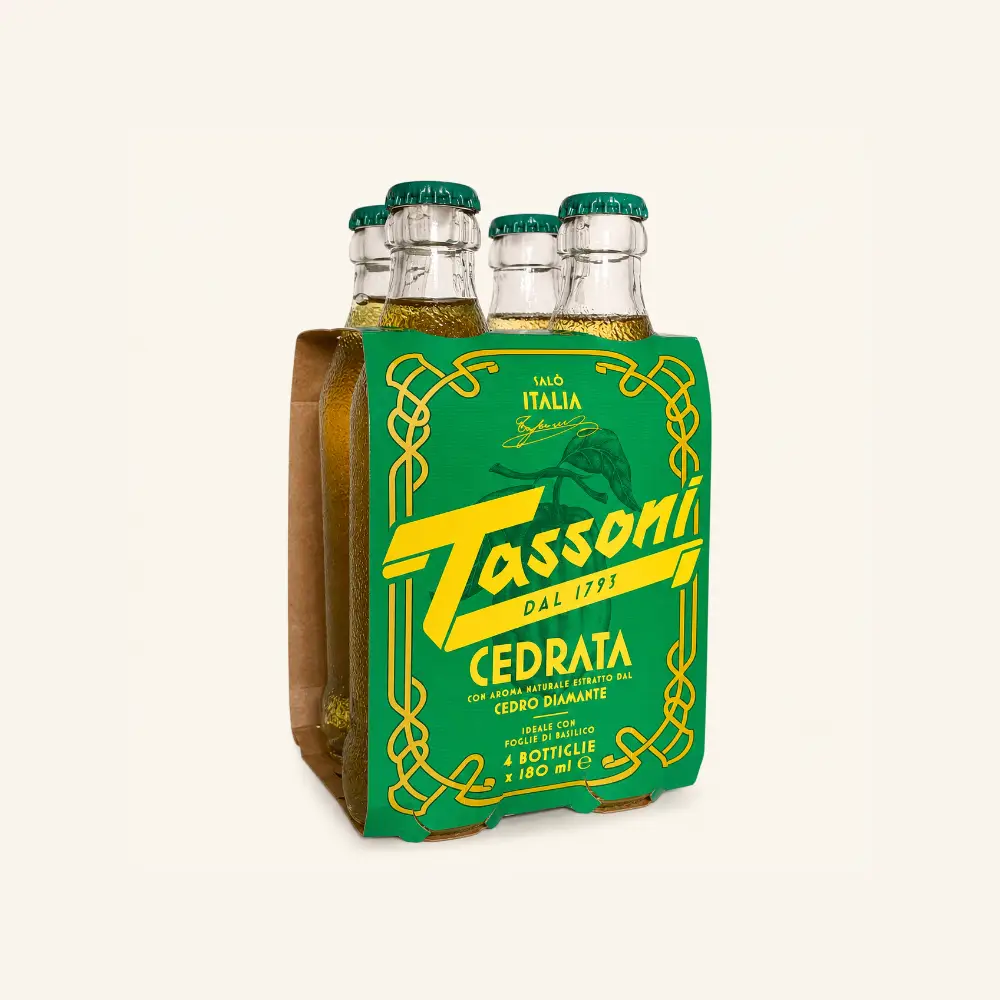
Its distinctive bottle, golden liquid and refreshing flavour soon became familiar sights in cafés and homes throughout the country.
During the following decades, Cedrata Tassoni established itself as something more than a soft drink. Its memorable advertising, particularly the famous television commercials associated with Italian singer Mina, helped secure its place in the country’s collective memory.
Today, the brand retains much of that nostalgic appeal while continuing to attract new generations who appreciate its distinctive flavour and heritage.
In a world of constantly changing beverage trends, Cedrata has achieved something rather unusual: it has remained recognisably itself.
What Makes Cedrata Different from Lemonade?
At first glance, Cedrata might appear to be simply another citrus-flavoured sparkling drink. The difference becomes apparent with the first sip.
Traditional lemonade generally relies on the sharp acidity of lemon juice, often balanced with sugar and carbonation. Cedrata, by contrast, takes its character primarily from the aromatic qualities of citron peel.
The result is a more perfumed and rounded flavour.
There is sweetness, certainly, but also a distinctive citrus fragrance that lingers gently on the palate. Depending on how it is served, subtle botanical notes emerge alongside the familiar brightness of citrus.
Cedrata Tassoni is also known for using natural flavourings and for its characteristic colour without artificial colouring. Its appeal lies in the combination of aromatic ingredients, a carefully developed recipe and a distinctive sensory experience.
It is worth remembering that Cedrata remains a sweetened soft drink rather than a health beverage. Its pleasure comes from flavour and refreshment, not nutritional claims.
For those who appreciate interesting non-alcoholic alternatives, however, it offers considerably more personality than an ordinary fizzy lemonade.
The Italian Art of Serving Cedrata
One of Cedrata’s greatest attractions is its simplicity. It requires very little preparation, yet a few thoughtful details can transform the experience.
The Classic Italian Serve
The traditional approach is often the best.
Serve Cedrata thoroughly chilled in a slender highball glass, preferably one that has also spent a few minutes in the refrigerator. Add a small amount of ice and garnish with a thin slice of lemon or, when available, fresh citron.
The glass should feel cold in your hand, with delicate bubbles rising through the golden liquid.
A generous garnish is unnecessary. The drink already possesses a pronounced citrus fragrance, and too much additional lemon can overwhelm its subtler botanical character.
For a particularly elegant presentation, use a thin twist of citrus peel rather than a full slice.
A Refreshing Alternative to the Aperitivo
Although the Italian aperitivo is frequently associated with a Spritz, Negroni or Americano, alcohol is by no means essential to the experience.
Cedrata makes an excellent non-alcoholic aperitivo, particularly when served with something savoury.
Its gentle sweetness works beautifully alongside salted almonds, green olives, Parmesan or delicate vegetable antipasti. The contrast between aromatic citrus and savoury flavours creates a satisfying balance.
For an early evening gathering, serve small chilled bottles alongside a selection of Mediterranean appetisers. The presentation feels relaxed but considered, exactly as a good Italian aperitivo should.
Cedrata Cocktails: Three Elegant Ways to Enjoy It
While Cedrata is delightful on its own, its fragrant citrus profile also makes it an interesting cocktail ingredient.
Unlike tonic water, which introduces a pronounced quinine bitterness, Cedrata contributes sweetness, sparkle and aromatic citrus notes.
This makes it particularly compatible with botanical spirits.
Cedrata Gin Highball
Fill a tall glass with ice and add 40 ml of a dry, citrus-forward gin. Top with approximately 120 ml of chilled Cedrata and stir gently. Finish with a twist of lemon peel and a small sprig of rosemary.
The gin’s botanicals complement the citron beautifully, creating a refreshing alternative to a conventional gin and tonic.
Italian Cedrata Spritz
For a lighter aperitivo, combine 60 ml of dry Prosecco with 90 ml of Cedrata in a large wine glass filled with ice. Add a splash of sparkling water if you prefer a less sweet result.
Garnish with a thin slice of lemon or a fresh basil leaf.
The combination is bright, aromatic and particularly enjoyable on warm evenings.
Cedrata and Vodka
For something clean and understated, combine 40 ml of quality vodka with 120 ml of chilled Cedrata over ice. Add a few drops of fresh lemon juice to sharpen the flavour.
Serve in a highball glass with a delicate citrus twist.
The vodka allows the citron’s distinctive fragrance to remain the centre of attention.
For a completely alcohol-free variation, Cedrata can also be mixed with chilled sparkling water and fresh herbs, creating a lighter, less sweet long drink.
What to Eat with Cedrata
Cedrata’s fragrant sweetness makes it surprisingly versatile at the table, particularly when paired with lighter Mediterranean dishes.
Its citrus character works well with seafood, where it provides a refreshing contrast to delicate flavours. Think grilled prawns with olive oil, lemon and parsley, or a simple plate of calamari fritti.
It is equally appealing alongside a classic Caprese salad. The creamy mozzarella, ripe tomatoes and fresh basil provide a savoury counterpoint to the drink’s aromatic sweetness.
For a relaxed summer lunch, consider serving Cedrata with focaccia, burrata, marinated vegetables and a selection of Italian cheeses.
The drink also has an affinity with desserts, especially those featuring almonds, vanilla or citrus. A small glass alongside an almond biscotto or a delicate lemon cake makes a pleasant afternoon indulgence.
The secret is balance. Cedrata is naturally sweet, so dishes with acidity, salt or gentle bitterness generally provide the most satisfying combinations.
From Lake Garda to the Riviera dei Cedri
For travellers interested in discovering the origins of Italian food and drink, Cedrata offers an intriguing connection between two beautiful regions.
Salò, Lake Garda
The historic home of Tassoni is Salò, one of the most elegant towns on Lake Garda’s western shoreline.
Its waterfront promenade, pastel-coloured buildings and sophisticated cafés make it an ideal destination for experiencing the quieter side of Italian lakeside life.
An afternoon spent wandering through the old town, followed by a chilled Cedrata overlooking the water, provides a fitting introduction to the drink’s heritage.
Salò also makes an excellent base for exploring nearby Gardone Riviera, known for its gardens, grand villas and the remarkable Vittoriale degli Italiani estate.
Riviera dei Cedri, Calabria
For a closer encounter with the fruit itself, travel south to Calabria’s Riviera dei Cedri.
This stretch of Tyrrhenian coastline is particularly associated with citron cultivation. Around Santa Maria del Cedro, visitors can discover the agricultural traditions surrounding this unusual citrus fruit.
Local producers use citron in preserves, candied peel, sweets and traditional preparations, offering a broader appreciation of its culinary possibilities.
The region combines dramatic coastal scenery with a rich food culture, making it especially rewarding for travellers interested in authentic Italian ingredients.
Together, Salò and the Riviera dei Cedri tell two complementary stories: one of craftsmanship and beverage-making heritage, the other of the remarkable fruit that gives Cedrata its identity.
Where to Find Cedrata Outside Italy
Although Cedrata Tassoni is deeply rooted in Italian culture, it is increasingly possible to find the drink beyond Italy.
Specialist Italian delicatessens, premium food retailers and online shops selling imported Italian beverages are often the best places to look.
The distinctive glass bottles make Cedrata easy to recognise, and their classic appearance adds a little Italian character to a well-stocked drinks cabinet.
When purchasing, look specifically for Cedrata Tassoni, as other citron-flavoured soft drinks may differ considerably in sweetness, aroma and overall flavour.
For the best experience, keep a few bottles refrigerated and serve them properly chilled. The delicate citrus fragrance is particularly appealing when the drink is cold but not excessively diluted with ice.
A Golden Taste of Italy
There is a reason Cedrata Tassoni has endured for so many decades.
It offers something that cannot easily be recreated through fashionable ingredients or elaborate presentation: a distinctive flavour with a genuine sense of place.
From the fragrant citron groves of Calabria to the elegant lakeside cafés of Salò, Cedrata carries a small but fascinating piece of Italian culinary history in every bottle.
Its appeal is not dependent on a particular season or occasion. It belongs just as comfortably beside a leisurely summer lunch as it does at an elegant aperitivo gathering or during a quiet afternoon on the terrace.
Perhaps that is the real charm of Cedrata. It is uncomplicated without being ordinary, nostalgic without feeling outdated, and unmistakably Italian without requiring any explanation.
A beautifully chilled glass, a delicate twist of citrus and the gentle sparkle of golden bubbles.
Sometimes, the most memorable taste of Italy comes in a bottle that has barely changed since 1956.