
Beyond Ordinary Prosecco: What Makes Cartizze Special?
High above the vineyards of Valdobbiadene, a tiny patchwork of steep, sunlit slopes produces one of Italy’s most distinctive sparkling wines. Cartizze may share its name and grape with Prosecco, but its remarkable landscape, limited production and refined character place it in a category of its own.
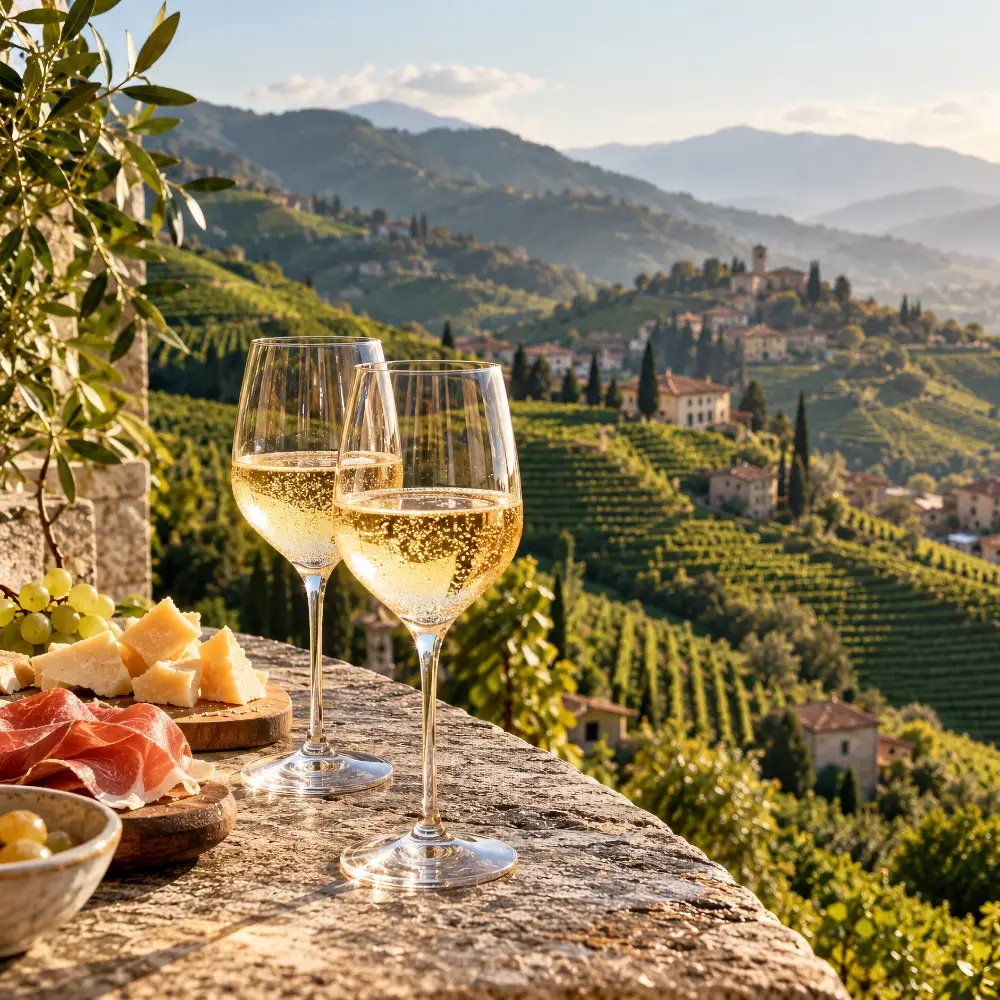
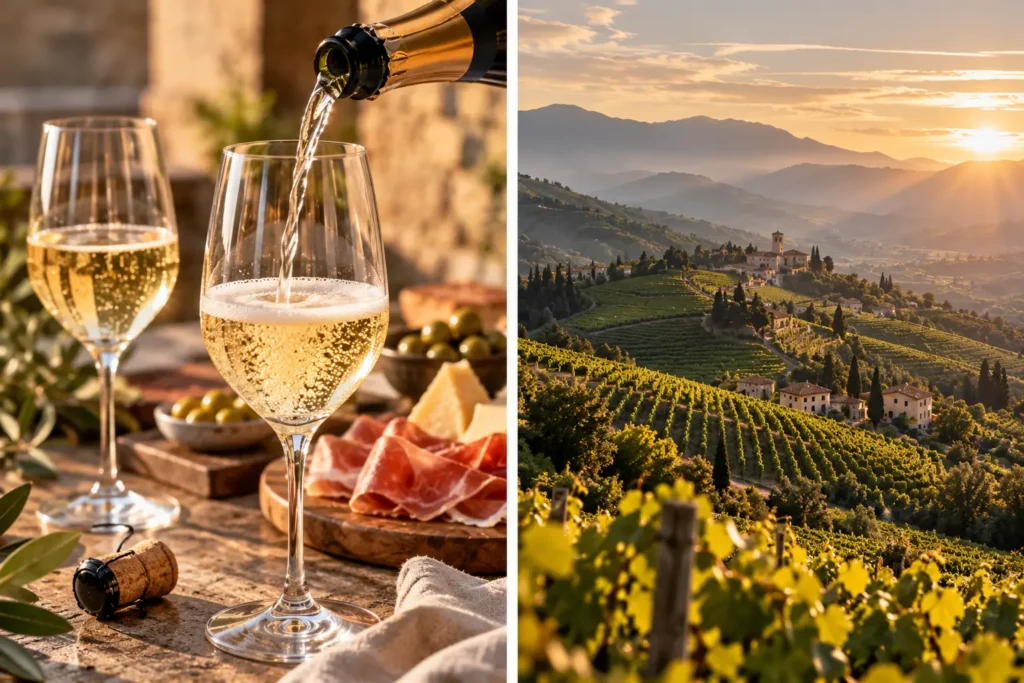
There is a particular beauty to the hills of Valdobbiadene in autumn. Morning mist gathers in the valleys, the vines turn shades of gold and amber, and the last warmth of the season lingers on the terraces. Here, in the heart of Veneto’s celebrated Prosecco country, lies a small hillside area that has fascinated wine lovers for generations.
Cartizze occupies just 107 hectares of vineyards, a remarkably modest footprint for a wine with such a distinguished reputation. Yet within these steep slopes, the familiar Glera grape reveals a different personality. The resulting sparkling wine can be more concentrated, delicately aromatic and complex than the everyday Prosecco poured at countless aperitivo tables. As renewed attention turns towards Italy’s finest sparkling wines, Cartizze offers an intriguing proposition. It is not simply a more expensive Prosecco, but an expression of a particular landscape, where geography, tradition and meticulous vineyard work combine to create something genuinely distinctive.
What Makes Cartizze Different from Ordinary Prosecco?
To understand Cartizze, it helps to appreciate the remarkable diversity hidden beneath the Prosecco name. Most widely available Prosecco comes from the extensive Prosecco DOC region, which stretches across parts of Veneto and Friuli-Venezia Giulia. These wines are typically fresh, approachable and designed for uncomplicated enjoyment, with flavours of green apple, pear and citrus.
Move into the historic hills surrounding Conegliano and Valdobbiadene, however, and the picture changes. Here, wines bearing the Conegliano Valdobbiadene Prosecco Superiore DOCG designation originate from a smaller, more geographically defined area, where hillside vineyards, local traditions and stricter production rules contribute to a distinctive identity. Cartizze represents one of the most prestigious expressions within this denomination.
Officially labelled Valdobbiadene Superiore di Cartizze DOCG, the wine comes exclusively from a tightly defined vineyard area near the villages of San Pietro di Barbozza, Santo Stefano and Saccol. While ordinary Prosecco can be produced across a vast geographical area, authentic Cartizze must come from this particular hillside landscape. The difference is not merely administrative. It is something that can be tasted.
Cartizze is just one expression of Italy’s extraordinary winemaking heritage. Discover more in our guide to Italy’s most memorable wines.
The Extraordinary Hillsides of Cartizze
Cartizze is a landscape that seems almost too steep for agriculture. Vineyards climb sharply across the hillsides, their rows following the natural contours of the terrain. Small plots sit alongside narrow tracks, traditional farmhouses and patches of woodland. In places, the slopes are so demanding that mechanisation becomes impractical, meaning much of the work must be carried out by hand. Vineyard workers tend the vines on challenging gradients, carefully managing growth and harvesting grapes in conditions that require considerable physical effort.
The geography also creates an unusually favourable environment for Glera. The vineyards benefit from advantageous sun exposure, while the surrounding hills and valleys encourage air circulation and variations in temperature. The soils, shaped by the area’s geological history, contain combinations of clay, marl, sandstone and other sedimentary materials. Together, these conditions influence ripening, fruit concentration and aromatic development. Cartizze’s reputation has long been associated with grapes capable of achieving generous ripeness while retaining the freshness essential to fine sparkling wine, resulting in a style that often feels more layered and expressive than conventional Prosecco.
There is also a broader cultural significance to this landscape. The Prosecco Hills of Conegliano and Valdobbiadene were recognised as a UNESCO World Heritage Site in 2019, acknowledging the exceptional relationship between viticulture, traditional land management and the region’s distinctive scenery. Cartizze is one of the most compelling places to experience that relationship first-hand.
What Does Cartizze Taste Like?
A beautifully made Cartizze offers a more nuanced interpretation of Prosecco’s familiar pleasures. The first impression is often floral, with delicate suggestions of acacia blossom, white flowers and occasionally rose petals. These aromas are followed by ripe pear, golden apple, white peach and apricot, sometimes accompanied by hints of citrus zest, honey or fresh herbs.
Compared with a straightforward Prosecco DOC, Cartizze may show greater aromatic intensity, a fuller texture and a particularly harmonious balance between fruit, acidity and sweetness. The bubbles should feel fine and persistent, contributing freshness without overwhelming the wine’s delicate character.
Yet Cartizze is not defined by one universal flavour profile. Producer choices, vintage conditions and sweetness levels all influence the finished wine. Some examples emphasise ripe fruit and softness, while others are noticeably drier, more mineral and more restrained. Understanding these differences makes choosing a bottle considerably more interesting.
Dry, Extra Dry or Brut: Understanding Cartizze Styles
One of the most surprising aspects of Cartizze is that its traditional expression is often sweeter than many contemporary wine drinkers expect. Historically, Cartizze Dry has been an important and celebrated style, prized for its aromatic richness and gentle sweetness. The terminology can initially seem confusing because, in sparkling wine classification, Dry does not mean the driest available style. In fact, it contains more residual sugar than Extra Dry or Brut.
The principal styles worth recognising are:
- Dry: Traditionally associated with Cartizze, containing approximately 17 to 32 grams of residual sugar per litre. Expect generous fruit, floral aromas and a soft, rounded finish.
- Extra Dry: Slightly less sweet, with approximately 12 to 17 grams per litre. Often a particularly appealing balance of freshness, fragrance and subtle sweetness.
- Brut: A drier expression, containing no more than 12 grams per litre. Typically more restrained, with crisp acidity and a greater emphasis on freshness.
For those accustomed to drinking Brut Champagne or other dry sparkling wines, Cartizze Brut may be the most natural introduction. However, dismissing the traditional Dry style would mean overlooking an important part of the region’s identity. A well-balanced Cartizze Dry is not simply sweet sparkling wine. Its acidity, fruit concentration and aromatic complexity can create an elegant, surprisingly versatile drinking experience. The key is to approach each style on its own terms.
Is Cartizze Worth the Higher Price?
Cartizze commands a premium, and its price reflects several factors beyond the reputation of its name. Scarcity is an obvious consideration. With only 107 hectares of designated vineyards, production is naturally limited compared with the enormous volumes associated with the wider Prosecco region.
Vineyard cultivation is another important factor. The steep terrain requires extensive manual labour, particularly during pruning, vineyard maintenance and harvesting. These demanding conditions increase production costs considerably. The land itself is also highly prized, with Cartizze’s limited geographical boundaries and long-established reputation contributing to the exceptional value of its vineyard sites.
But does a higher price guarantee a better drinking experience? Not necessarily. A carefully produced Conegliano Valdobbiadene Prosecco Superiore DOCG from another hillside vineyard may offer comparable pleasure at a lower price. Individual producer quality and personal preference remain more important than prestige alone.
Cartizze is best understood as a distinctive wine rather than an automatic upgrade. For someone who appreciates aromatic complexity, geographical specificity and the craftsmanship of small-scale hillside viticulture, the premium can feel entirely justified. For a casual aperitivo or a sparkling wine intended for cocktails, however, a good Prosecco Superiore will often be the more sensible choice.
For those who enjoy collecting distinctive bottles, a thoughtfully designed home wine corner can make storing and enjoying favourite discoveries part of the experience.
Three Cartizze Producers Worth Knowing
Exploring Cartizze becomes particularly rewarding when comparing different interpretations of the same small vineyard area.
Bisol 1542 is one of the historic names associated with Valdobbiadene. Its Cartizze expression is a useful introduction to the area’s traditional aromatic elegance, combining ripe fruit with a refined, celebratory character.
Col Vetoraz, based in Santo Stefano di Valdobbiadene, is another respected producer with a strong connection to the Cartizze hillsides. Its wines offer an opportunity to explore the relationship between vineyard origin, fruit purity and different levels of sweetness.
Villa Sandi, whose wider portfolio includes several expressions of Prosecco, also produces Cartizze. Its La Rivetta vineyard is particularly associated with the denomination and provides an interesting point of comparison with other producers.
Rather than choosing solely by reputation, consider tasting two contrasting styles side by side. A traditional Dry and a Brut, ideally from different producers, can reveal just how much variation exists within this tiny geographical area.
How to Serve and Pair Cartizze
Cartizze deserves a little more attention at the table than an ordinary glass of sparkling wine. Serve it chilled, ideally around 6 to 8°C, but avoid making it excessively cold. Very low temperatures can suppress the delicate floral aromas and subtle fruit characteristics that distinguish the wine. A tulip-shaped sparkling wine glass or a modestly sized white wine glass is often preferable to a narrow flute, as the slightly wider bowl allows the aromas to develop while still preserving the bubbles.
Food pairing depends largely on sweetness. A drier Cartizze Brut can work beautifully with delicate seafood, particularly scallops, prawns or lightly dressed raw fish. Its acidity and fine bubbles complement the natural sweetness of shellfish, while Extra Dry styles are appealing alongside mild cheeses, vegetable antipasti and lighter Italian dishes.
Traditional Cartizze Dry offers different possibilities. Its gentle sweetness can complement fruit-based desserts, almond pastries and delicate cakes, provided the dessert is not significantly sweeter than the wine. It can also create an attractive contrast with certain savoury dishes, particularly those combining salty and subtly sweet elements. One pairing worth exploring is Cartizze Dry with a light peach tart or an almond-based Italian pastry, a combination that highlights the wine’s orchard-fruit aromas without overwhelming its finesse.
The right pairing can reveal unexpected dimensions in a wine. Our wine pairing tips for home cooks offer further inspiration for bringing food and wine together. For a more traditional Italian experience, explore the Italian art of aperitivo and discover how sparkling wine fits into this cherished ritual.
Visiting Cartizze: A Different Side of Prosecco Country
For travellers who enjoy discovering wine through its landscape, Cartizze is a compelling destination. The area lies close to Valdobbiadene, approximately an hour and a half’s drive from Venice, depending on traffic. Rather than approaching the region as a quick tasting excursion, it rewards a slower visit.
Begin in San Pietro di Barbozza, a small village surrounded by vineyards and traditional wine estates. The surrounding roads reveal the extraordinary steepness of the terrain and offer views across the hills. Continue towards Santo Stefano, where vineyard slopes, farmhouses and winding lanes create some of the area’s most memorable scenery. The nearby hamlet of Saccol completes the geographical heart of Cartizze.
A visit to a local producer provides valuable context. Seeing the vineyards from the hillside, rather than simply tasting the finished wine, makes the relationship between landscape and bottle immediately understandable. Many estates offer guided tastings, although advance reservations are advisable, particularly during autumn and the harvest period.
For a broader experience, the historic Strada del Prosecco e Vini dei Colli Conegliano Valdobbiadene connects wine villages, vineyards and scenic viewpoints throughout the region. The surrounding countryside also offers excellent opportunities for walking, traditional Veneto cooking and stays in small country hotels or vineyard accommodation.
Autumn is especially atmospheric, with changing vineyard colours and the energy of the harvest season. Late spring and early summer provide lush green hillsides and pleasant conditions for exploring.
The Quiet Distinction of Cartizze
Cartizze occupies an unusual position in the world of sparkling wine. It is neither an alternative to Champagne nor simply a luxurious version of supermarket Prosecco. Its appeal lies in something more geographically precise. A tiny vineyard area, steep slopes, demanding cultivation and generations of local knowledge have given the Glera grape an especially distinctive expression.
Not every bottle will suit every palate. The traditional sweeter styles, in particular, deserve to be understood rather than judged against the expectations of dry sparkling wine. But when Cartizze is well made, its combination of fragrance, texture, freshness and gentle richness explains why these hillsides have earned such an enduring reputation.
Perhaps the most memorable way to appreciate it is at its source, looking across the terraced vineyards of Valdobbiadene with a glass in hand. There, the distinction becomes wonderfully clear. Cartizze is not simply about what is in the glass. It is about the extraordinary place that made it possible.
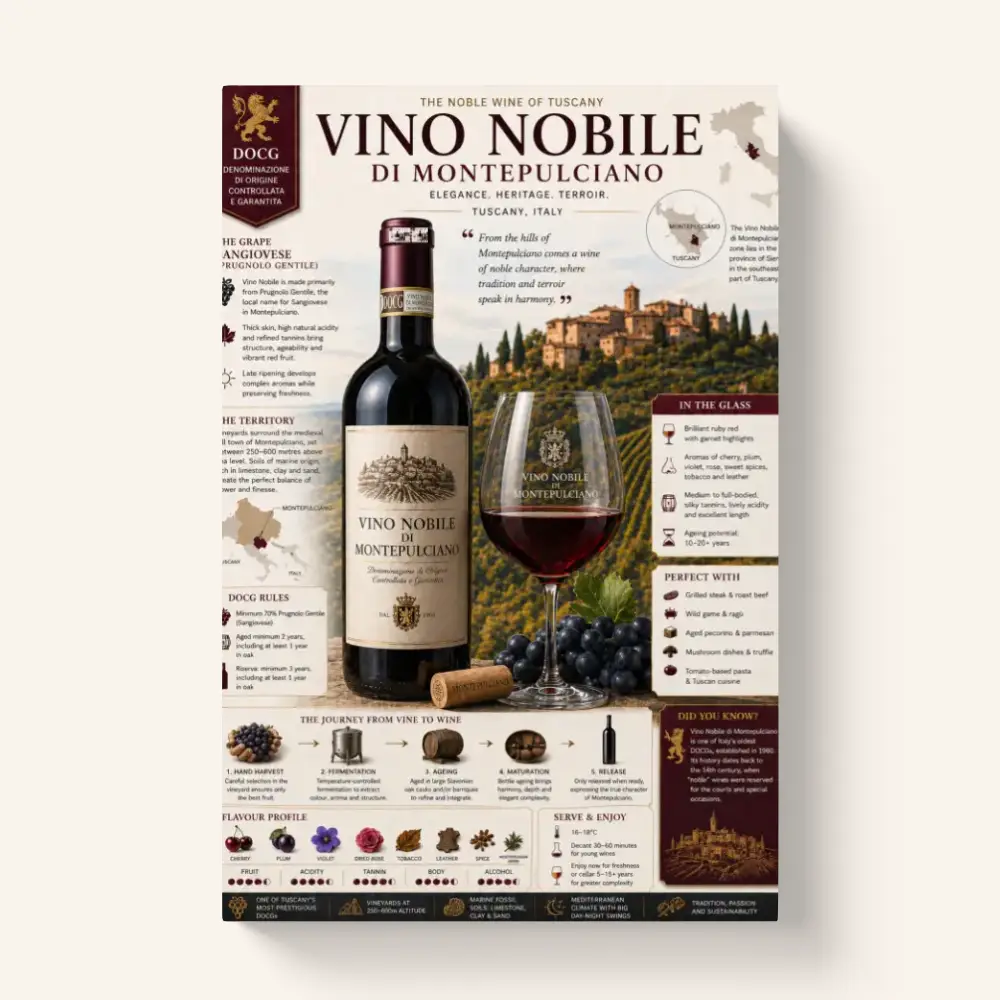
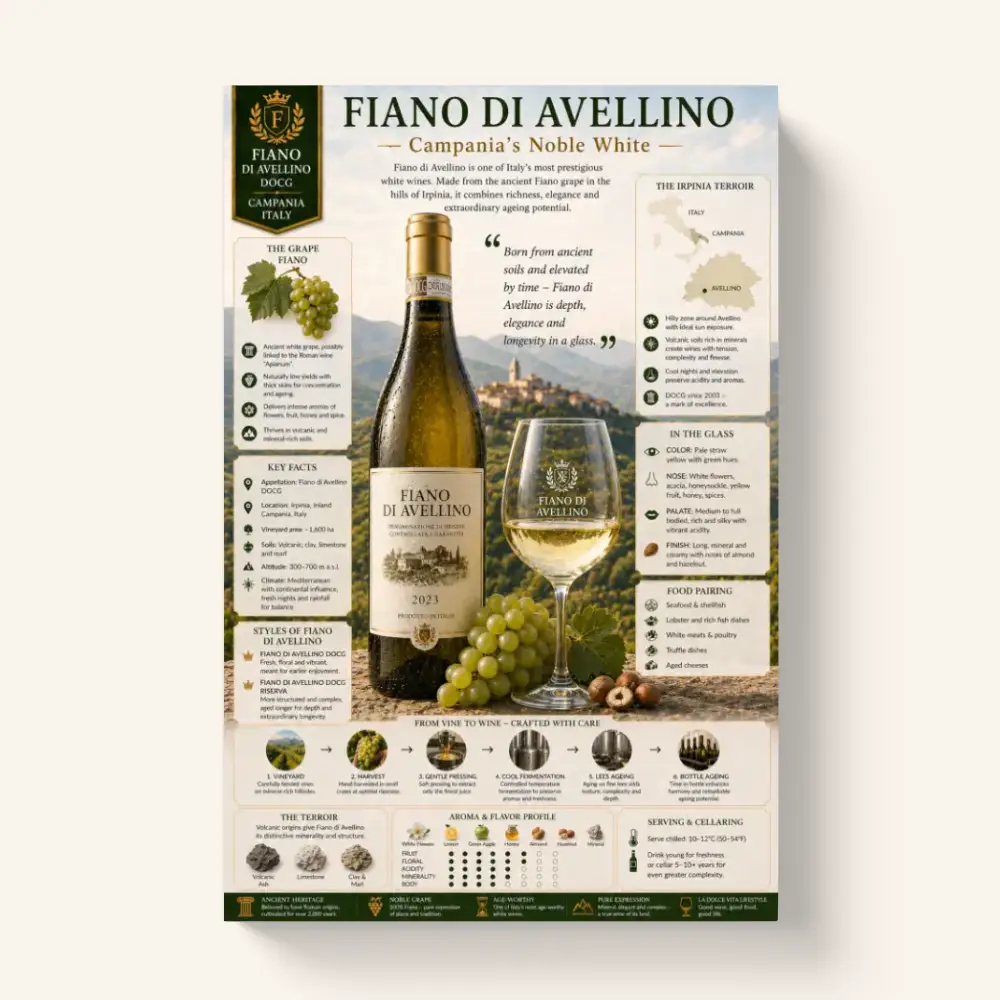
Italian Wine Collection (Digital Bundle)
(including € 1,74 VAT)
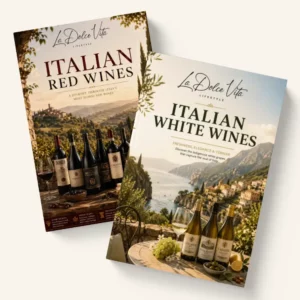
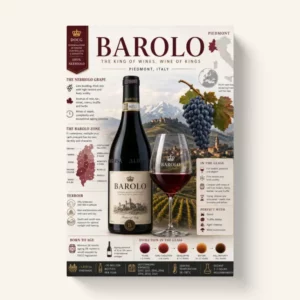
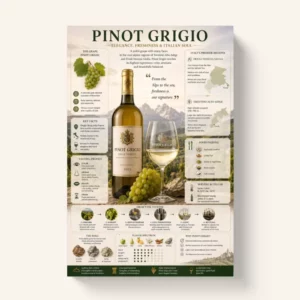
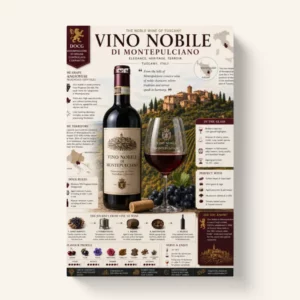
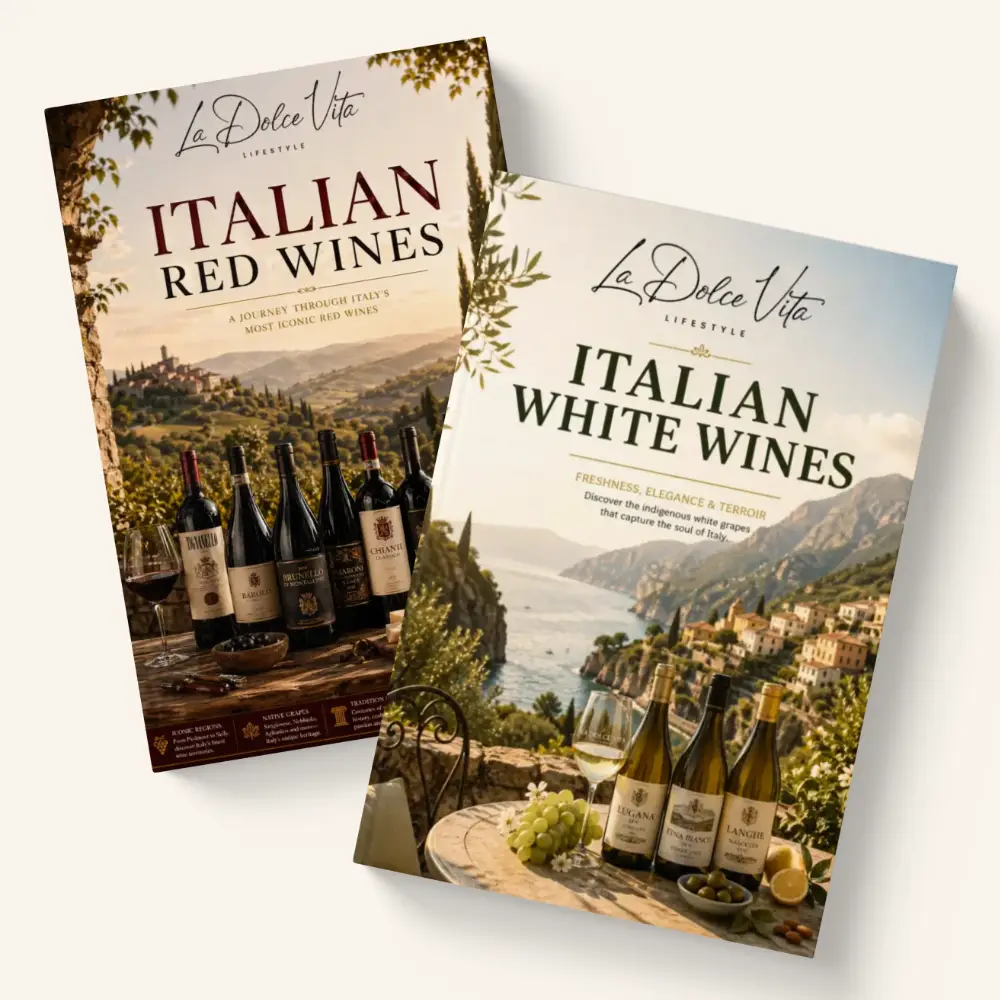
Discover the best of Italy in one elegant bundle. This beautifully designed set combines both Italian Red Wines and Italian White Wines, guiding you through the country’s most iconic regions, grapes, and flavours.
From bold, full-bodied reds to fresh, refined whites — everything you need to explore Italian wine with confidence and style.
✔ 2 premium digital guides in one bundle, 32 pages
✔ Instant download
✔ Elegant design (perfect for print or tablet)
✔ Ideal for wine lovers or as a stylish gift
Experience the full spectrum of Italian wine the effortless La Dolce Vita Lifestyle way.


Ultimate Wine Collection (4 Digital Guides)
(including € 3,12 VAT)
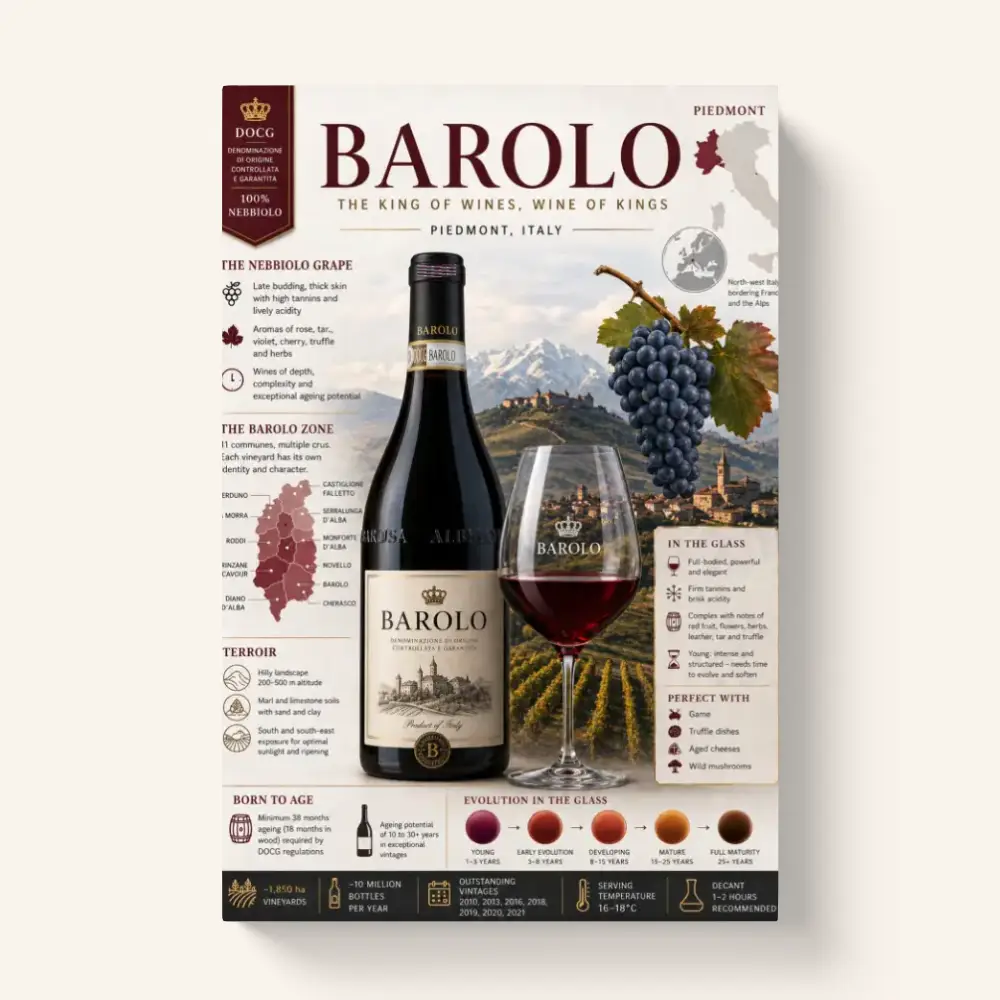
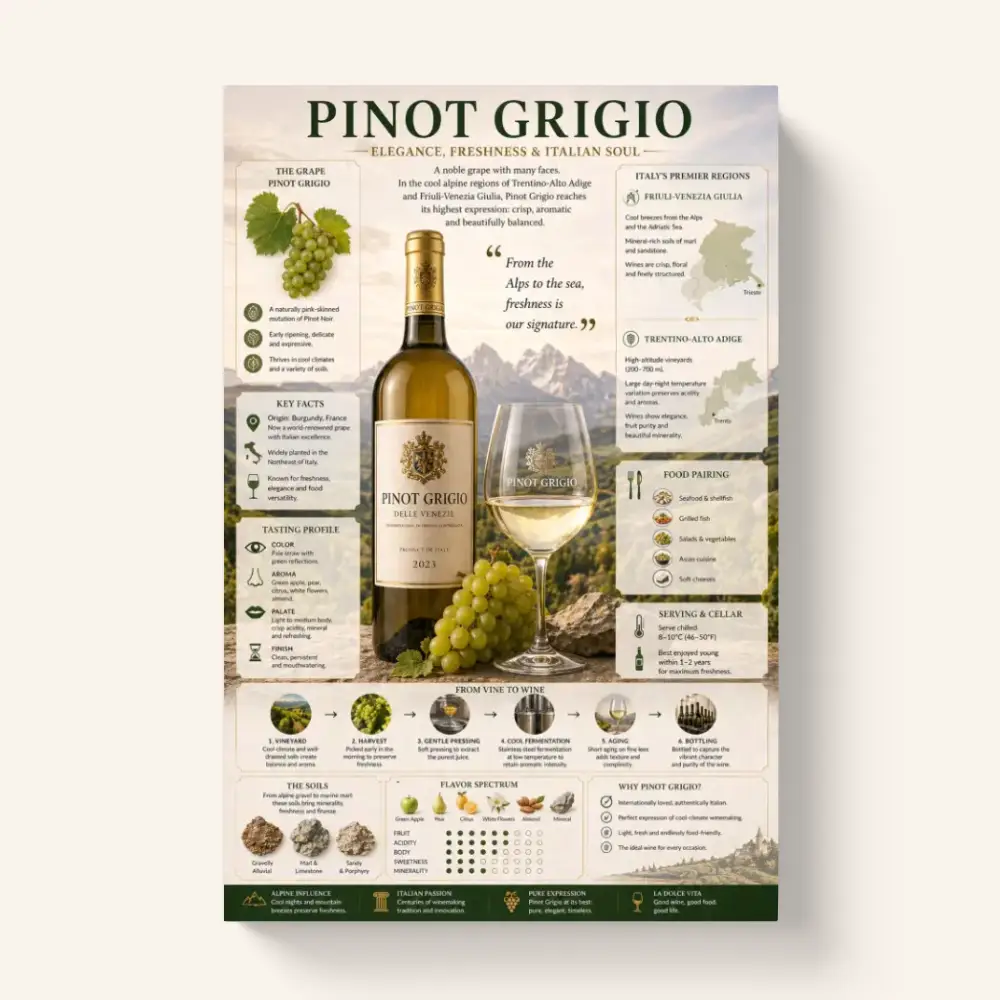
Elevate your wine experience with this exclusive collection of four beautifully designed guides. Discover the very best of Italian and French red & white wines, from bold, full-bodied classics to fresh, elegant favourites.
Explore iconic regions, signature grape varieties, and timeless wine traditions all presented in a refined, easy-to-use format.
✔ 4 premium digital guides in one complete bundle
✔ Italian & French Red + White Wines
✔ Instant download, 64 pages
✔ Elegant design (perfect for print or tablet)
✔ Ideal for wine lovers or as a sophisticated gift
Everything you need to enjoy wine with confidence, style, and the spirit of La Dolce Vita Lifestyle.