

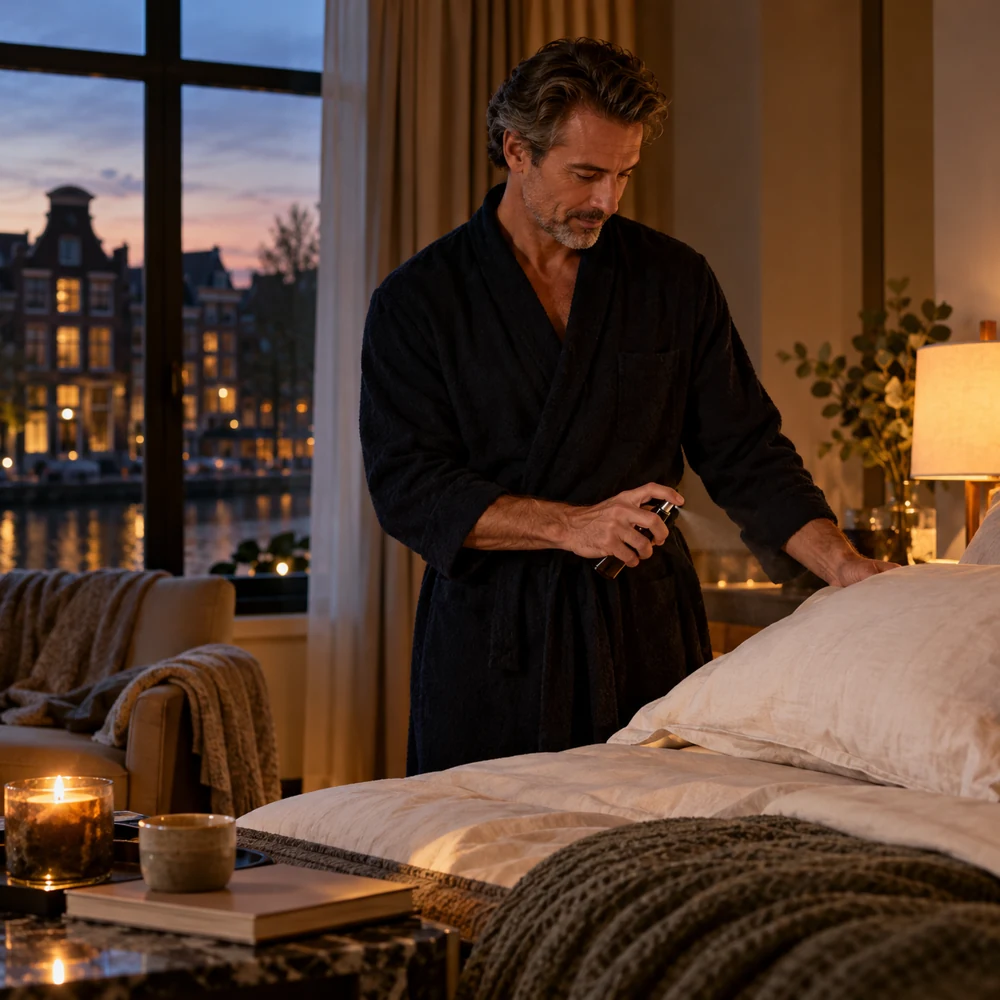
In the quiet hours before sleep, the pace of the day begins to soften. Lamps are dimmed, windows are closed against the evening air, and the body, if given the right cues, starts to understand that it is time to rest. The ultimate evening routine for a peaceful night is not about rigid discipline or an unrealistic list of habits. It is about creating a sequence of small, deliberate rituals that gently guide the mind and body towards calm.
For many people, sleep is rarely disrupted by one dramatic factor alone. More often, it is a collection of tiny frictions: a late meal, a glowing screen, an overactive mind, a room that feels too warm, or an absence of transition between work and rest. A thoughtful evening routine addresses these details with elegance and consistency, turning the final hour of the day into a restorative ritual rather than a rushed afterthought.
The ultimate evening routine for a peaceful night begins with a graceful transition
The best evenings begin before the bedroom. One of the most effective ways to improve sleep is to create a clear boundary between the demands of the day and the privacy of the night. This might mean changing out of work clothes, clearing a table, or stepping outside for a brief walk as the light fades. Even a short pause can reset the nervous system.
In cities such as Paris, Florence or Bath, there is a particular beauty to the early evening rhythm, when streets quieten and the air seems to slow. That same feeling can be recreated at home through a simple ritual: a candle lit in the hallway, a favourite cashmere wrap, or a few minutes spent tidying the space you are about to inhabit. Such details matter because the environment influences the mind far more than is often recognised.
Create a dinner that supports sleep, not stimulation
An evening routine for a peaceful night should include attention to the final meal of the day. Heavy, overly rich suppers close to bedtime can leave the body working when it should be recovering. The most restful evening menus tend to be balanced and modest in portion: baked fish with greens, a vegetable risotto, a warming soup with sourdough, or a simple salad with protein and olive oil.
In a refined lifestyle, dinner need not feel austere. It can still be luxurious, just more considered. Think of silky pumpkin soup finished with a drizzle of herb oil, roast sea bass with fennel and lemon, or a bowl of lentils with roasted vegetables and good cheese. Herbal teas, particularly chamomile or peppermint, are a gentle final note, offering warmth without the stimulation of caffeine. If alcohol is part of the evening, moderation is wise, as even a single glass can fragment sleep for some people.
Timing matters as much as ingredients
Allowing sufficient time between dinner and bed gives the body a better chance to settle. As a general habit, an earlier evening meal is often kinder to sleep than eating late while tired. If schedules are unpredictable, a light supper, perhaps followed by a small soothing drink, is usually easier on the body than a large late feast.
Soften the home before sleep
Luxury is often found in atmosphere rather than abundance. A peaceful night begins in a room that feels calm, clean and temperate. The ideal bedroom is cool, uncluttered and quietly inviting. Linen sheets, a well-chosen pillow, and curtains that hold back the last traces of evening light can all contribute to deeper rest.
Scent also plays a subtle role. Lavender, cedarwood and neroli are commonly associated with winding down, though scent should remain gentle rather than overpowering. A lightly fragranced pillow mist or a single candle used early in the evening can be enough to introduce a sense of tranquillity. Fresh air, if possible, is equally valuable. Opening a window for a few minutes before bed can refresh the room and create the impression of space and clarity.
For those who travel frequently, recreating this atmosphere in hotels or villas can be especially grounding. A familiar sleep mask, a favourite tea, or a compact diffuser can transform an unfamiliar room into a restful retreat. These are small luxuries, but they are often the ones that make the greatest difference.
Build a screen-free hour into your evening routine
Perhaps the most important element of the ultimate evening routine for a peaceful night is reducing exposure to screens. Blue light is only part of the issue. More disruptive still is the way digital content keeps the brain alert, curious and engaged when it should be descending into stillness. Messages, headlines and endless scrolling keep the mind in a state of unfinished attention.
A screen-free hour, or even thirty minutes, before bed can feel remarkably restorative. During this time, choose quieter pursuits: a chapter of a novel, a printed magazine, a journal, a puzzle, or a few pages of poetry. Many readers find that analogue pleasures have a surprisingly immediate calming effect, particularly when they are paired with low light and a warm drink. The aim is not to be virtuous, but to allow the mind to slow at its own pace.
Use light as a cue
Lighting is one of the most overlooked tools in a sleep-friendly home. Harsh overhead lights can keep the body alert, while softer pools of warm light encourage ease. Table lamps, wall lights and candles, used safely, create a more restful mood. As evening deepens, lower the light gradually rather than abruptly. This small change can help establish a natural sense of closure.
Gentle movement and breathing to settle the body
Not every evening needs an elaborate wellness ritual. A few minutes of gentle movement can be enough to release the tension held in the shoulders, hips and back. Stretching, slow yoga, or simply rolling the neck and unwinding the spine may ease the physical residue of a busy day. The intention is not fitness, but release.
Breathing practices are equally useful. Slow exhalations signal safety to the body and may help quiet the nervous system. A simple pattern, such as inhaling for four counts and exhaling for six, can be done while seated on the bed or lying under a throw. Those who enjoy meditation might prefer a guided practice, but silence can be just as effective. Even five minutes of stillness may mark the difference between a restless evening and a peaceful descent into sleep.
Protect your bedroom as a place of rest
In the best evening routine, the bedroom is reserved for sleep and intimacy rather than work, clutter or entertainment. A laptop left open, a pile of laundry, or a phone charging beside the pillow all send mixed messages to the brain. By contrast, a bedroom that feels curated, quiet and emotionally separate from the rest of the home becomes a genuine sanctuary.
Practical details help. Keep a glass of water by the bed, but avoid overfilling the nightstand with objects. Choose bedding that feels luxurious against the skin. If noise is a concern, consider earplugs or a sound machine with a soft, consistent tone. For those who wake easily, blackout curtains can make a noticeable difference, particularly in urban settings or during summer months when the daylight lingers late.
A final ritual that tells the body it is safe to rest
The closing moments before sleep should feel deliberate and reassuring. This might be a brief skincare ritual, the smoothing of hand cream, or the simple act of placing tomorrow’s clothes neatly aside. Repetition is comforting. When the same sequence is followed evening after evening, the body begins to associate those actions with rest.
Some people enjoy writing down three lines in a notebook: one note of gratitude, one item to carry into tomorrow, and one thing to leave behind for the night. Others prefer a spiritual practice, a prayer, or a minute of quiet reflection. There is no perfect formula, only the steady accumulation of habits that make the transition into sleep feel less abrupt and more sacred.
Why a peaceful night begins long before you close your eyes
The most effective evening routine is not built from perfection, but from attentiveness. A peaceful night is usually the result of small choices made with care: an earlier dinner, gentler lighting, a quieter room, a screen-free pause, and a few calming rituals that invite the body to unwind. Together, they create more than better sleep. They create a way of ending the day with dignity, comfort and ease.
In a life that can often feel hurried and overstimulated, the evening offers a rare opportunity to reclaim stillness. When approached thoughtfully, it becomes one of the most beautiful parts of the day, a private passage from activity into rest, and from rest into the deep, renewing silence of night.