
Why Pop Art Still Matters
The world of art is a vibrant tapestry of styles and movements, each with its own unique language and impact. Among these, Pop Art stands out as a phenomenon that revolutionised the art scene in the mid-20th century. Even today, its influence permeates modern culture, fashion, and design, proving that Pop Art still holds significant relevance. In this article, we delve into the reasons why Pop Art continues to matter, exploring its enduring legacy and contemporary resonance.
The Roots of Pop Art
Emerging in the 1950s and gaining momentum in the 1960s, Pop Art was a reaction against the introspective nature of Abstract Expressionism. Artists like Andy Warhol, Roy Lichtenstein, and Richard Hamilton sought inspiration from popular culture, embracing imagery from advertising, comic books, and everyday objects. This was art for the masses, making a bold statement that art could be accessible, democratic, and reflective of contemporary life.
Pop Art’s foundation in popular culture allowed it to communicate with a broad audience. Its vivid colours and recognisable motifs broke down the barriers between high art and mass culture, challenging traditional notions of what art should be. This democratic spirit is a key reason why Pop Art remains relevant today, as it continues to inspire new generations to question and redefine the boundaries of art.
The Enduring Influence on Contemporary Art
One cannot discuss Pop Art’s lasting impact without acknowledging its profound influence on contemporary artists. Today, the echoes of Pop Art are evident in the works of artists who draw inspiration from its techniques and themes. From Jeff Koons’ playful sculptures to Banksy’s provocative street art, the legacy of Pop Art lives on in the way artists engage with popular culture and challenge societal norms.
Moreover, digital platforms have expanded the reach of Pop Art’s aesthetic, with artists using social media to share their work and connect with global audiences. This digital evolution mirrors the original Pop Art movement’s embrace of new media and mass communication, underscoring its timeless appeal.
Pop Art in Fashion and Design
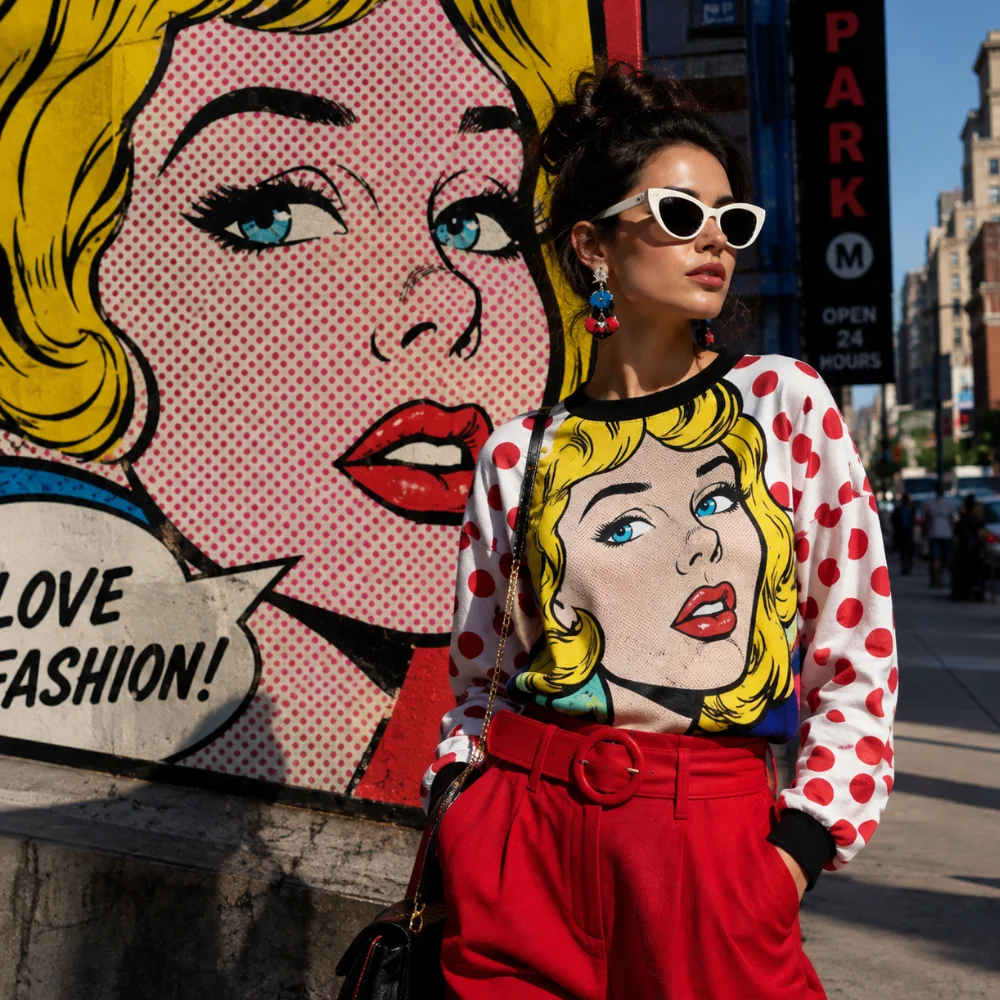
Beyond the canvas, Pop Art’s influence is palpable in the realms of fashion and design. Iconic fashion houses such as Prada and Versace have drawn upon Pop Art’s bold colours and graphic prints, incorporating them into their collections. The playful yet sophisticated aesthetic of Pop Art aligns seamlessly with the world of haute couture, offering a refreshing take on luxury and innovation.
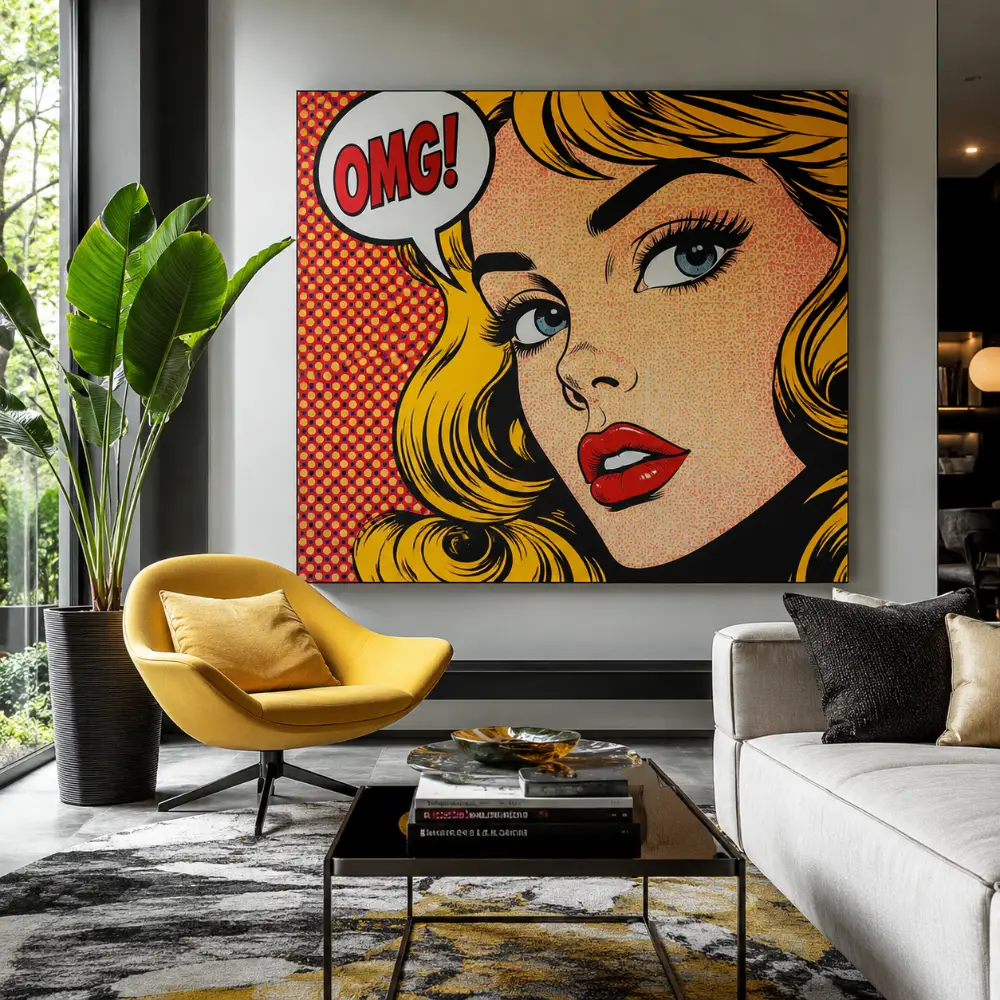
In interior design, Pop Art elements add a touch of whimsy and modernity to spaces. From Warhol-inspired prints to Lichtenstein-esque furniture pieces, these vibrant accents bring rooms to life, infusing them with energy and creativity. This seamless integration of art and design demonstrates Pop Art’s versatility and its ability to transcend traditional boundaries.
The Cultural Relevance of Pop Art Today
In today’s fast-paced, media-driven world, Pop Art resonates with audiences more than ever. Its commentary on consumerism, celebrity culture, and mass media remains pertinent, offering a lens through which to examine contemporary society. As we navigate an era defined by digital consumption and rapid technological advancement, Pop Art provides a critical perspective that encourages reflection and dialogue.
Furthermore, the playful nature of Pop Art allows it to address serious issues with a light-hearted approach, making complex topics more accessible. This balance of humour and critique ensures that Pop Art remains a powerful tool for social commentary, encouraging viewers to engage with the world around them in thoughtful and innovative ways.
Pop Art as an Expression of Joy
At its core, Pop Art is a celebration of colour, creativity, and the joy of the everyday. Its exuberant palette and playful imagery invite viewers to find beauty in the mundane and to appreciate the artistry in the world around them. This sense of joy and wonder is a vital aspect of Pop Art’s enduring appeal, offering a respite from the complexities of modern life.
Whether through a Warhol screen print or a vibrant mural, Pop Art captures the essence of its time while remaining timeless. It invites us to see the world through a different lens, one that is both playful and profound, reminding us of the power of art to inspire, uplift, and transform.
Conclusion
Pop Art’s relevance in today’s world is undeniable. Its bold visuals and cultural commentary continue to captivate and challenge audiences, bridging the gap between high art and popular culture. By celebrating the everyday and questioning the status quo, Pop Art has left an indelible mark on the art world and beyond. Its legacy lives on, inspiring new generations to explore the intersections of art, culture, and society. In a world where change is the only constant, Pop Art remains a vibrant and vital force, reminding us of the enduring power of creativity.