
In the ever-evolving world of interior design, a captivating trend has emerged, infusing homes with a touch of nature’s elegance: the rise of organic shapes in home art. This movement celebrates the fluidity and asymmetry found in the natural world, bringing a sense of harmony and serenity to living spaces. As we explore this intriguing trend, we delve into the artistry and inspiration behind these forms, offering insights into how you can seamlessly incorporate them into your own abode.
Embracing Nature’s Imperfections
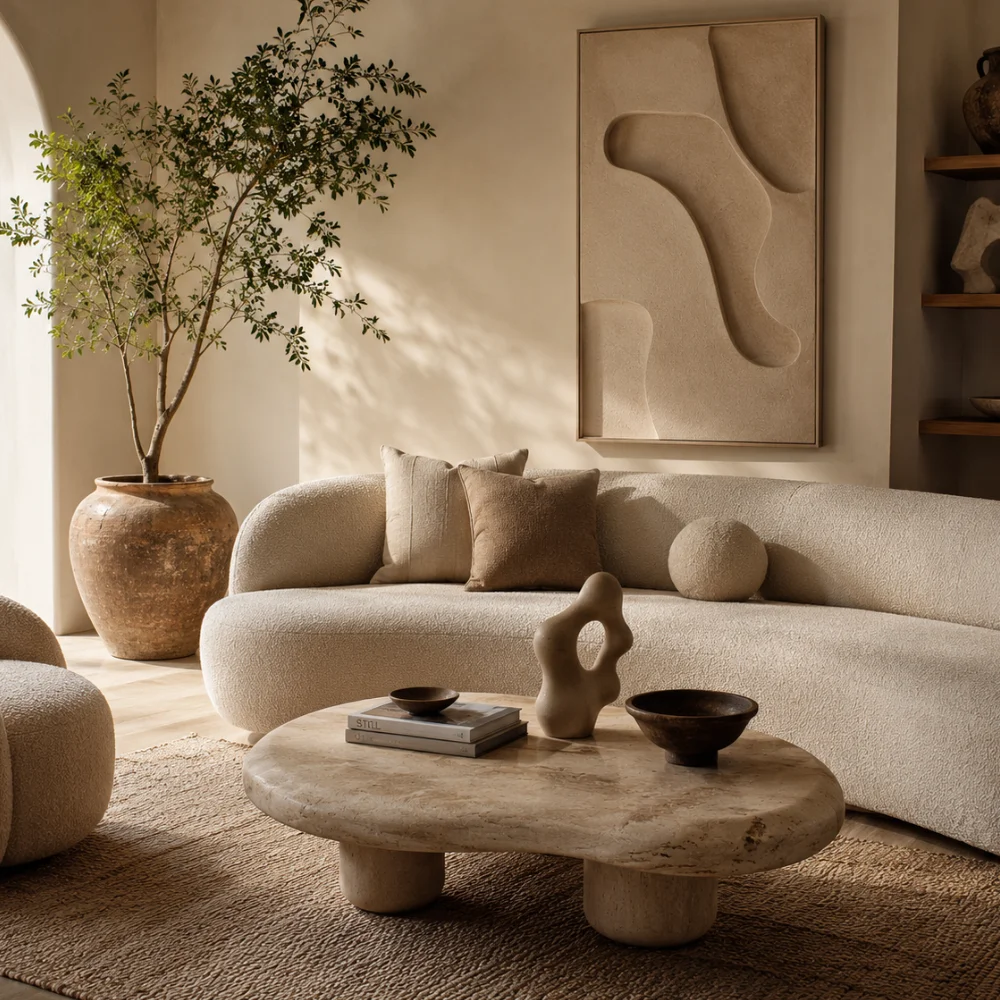
Organic shapes draw their inspiration from the natural world, echoing the curves of a winding river or the gentle undulations of rolling hills. Unlike geometric designs, which are often precise and uniform, organic forms celebrate irregularity and imperfection. This aesthetic offers a refreshing counterpoint to the structured environments we typically inhabit, inviting a sense of calm and balance.
Consider the work of renowned sculptor Barbara Hepworth, whose abstract forms were deeply influenced by the landscapes of Cornwall. Her pieces, with their smooth, flowing lines, capture the essence of nature’s beauty. Incorporating similar sculptures or artworks into your home can evoke a sense of tranquillity, transforming any room into a serene retreat.
Materials that Whisper of the Earth
Incorporating organic shapes into your home art often begins with the choice of materials. Natural fibres and earthy textures are at the forefront of this trend, offering tactile experiences that invite touch and interaction. Think of hand-thrown ceramics, with their unique, imperfect forms, or the soft, inviting texture of a woollen tapestry.
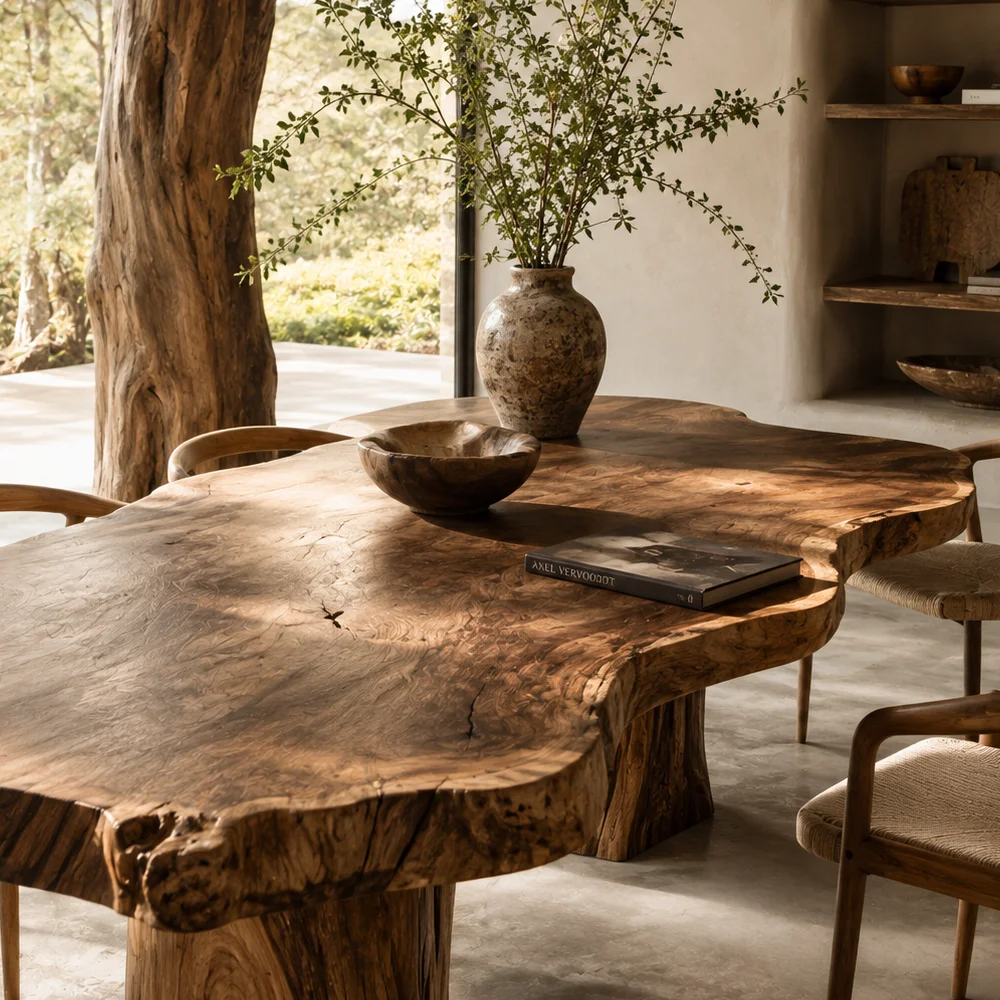
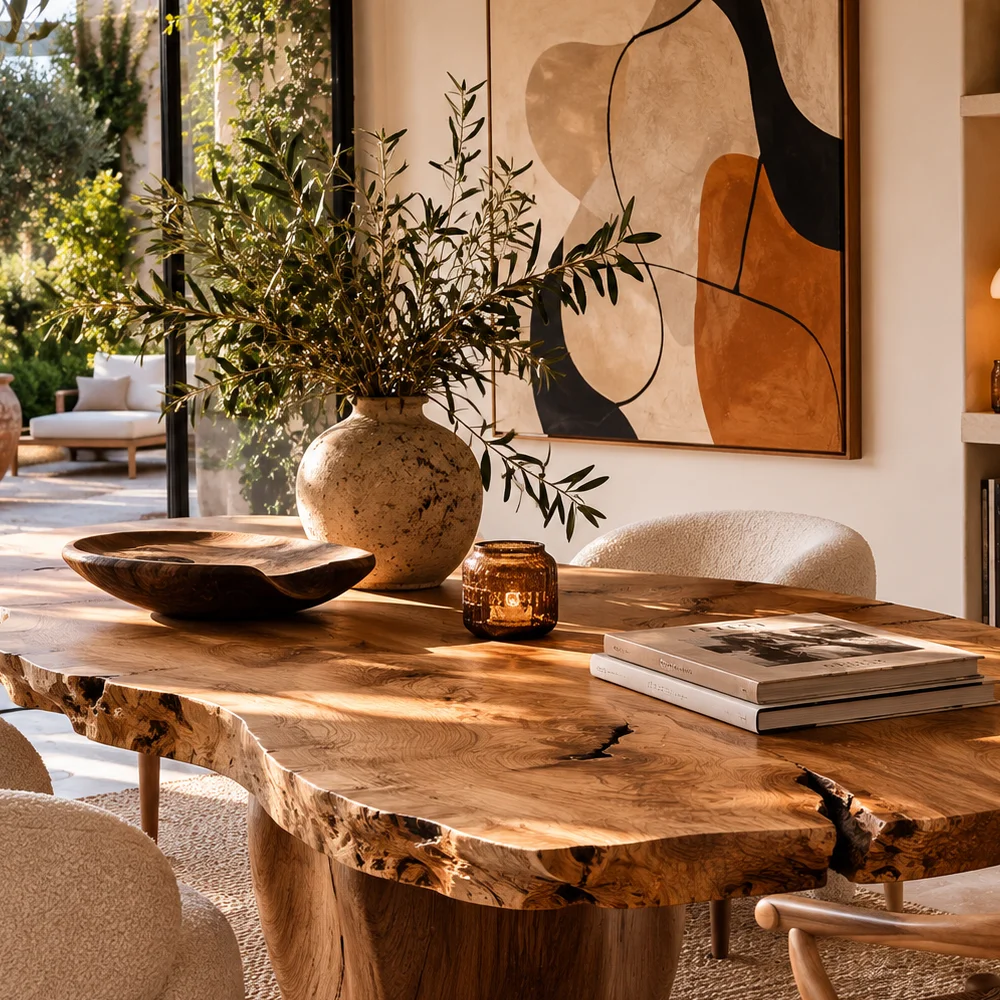
Wood, with its warm hues and distinct grain patterns, is another material that beautifully complements organic designs. Consider a statement piece, such as a live-edge wooden table, which showcases the raw beauty of the timber. These pieces not only serve as functional art but also tell a story of nature’s craftsmanship.
The Dance of Light and Shadow
Lighting plays a crucial role in accentuating the organic forms within your home. As the sun moves throughout the day, the interplay of light and shadow can dramatically alter the perception of these shapes. Opt for lighting fixtures that mimic natural forms, such as a pendant light resembling a cluster of leaves or a lamp with a base inspired by flowing water.
Positioning is key to maximising the impact of organic art pieces. Place them where they can capture natural light, allowing shadows to dance across their surfaces and highlight their curves and contours. This dynamic interaction creates an ever-changing visual experience, adding depth and interest to your space.
Curating a Personal Sanctuary
One of the most enchanting aspects of organic shapes in home art is their ability to create a personal sanctuary. By integrating elements that resonate with your own aesthetic sensibilities, you can craft a space that is both beautiful and deeply personal. Start by selecting a few statement pieces that speak to you—perhaps a hand-carved stone sculpture or a woven wall hanging that draws the eye.
Balance these with smaller, complementary items, such as vases or bowls with fluid lines, to create a cohesive look. The key is to maintain a sense of harmony, allowing each piece to shine without overwhelming the space. This thoughtful curation results in a home that feels both curated and organic, a true reflection of your individual style.
Destinations for Inspiration
For those seeking inspiration, a visit to certain art galleries and exhibitions can provide a wealth of ideas. The Tate Modern in London often showcases works that explore organic forms, offering a glimpse into the minds of artists who are redefining this aesthetic. Alternatively, a trip to the Guggenheim Museum in Bilbao, with its sinuous architecture designed by Frank Gehry, serves as a testament to the power of organic design in both art and structure.
Closer to home, consider exploring local art fairs or craft markets, where emerging artists often experiment with organic shapes in innovative ways. These venues not only offer the chance to discover unique pieces but also support the creative community.
The Timeless Appeal of Organic Art
As we embrace the rise of organic shapes in home art, it becomes clear that this trend is more than a passing fad. It reflects a broader movement towards sustainability and a deeper connection with the natural world. By incorporating these elements into our homes, we invite a sense of serenity and timeless beauty that transcends fleeting design trends.
Whether through the choice of materials, the play of light, or the curation of art, the organic shapes trend offers endless possibilities for personal expression. As you embark on your own journey of artistic discovery, may your home become a haven of elegance and tranquillity, a testament to the enduring allure of nature’s imperfect perfection.