
Michelin Stars: From Travel Guide to Global Standard in Gastronomy
Today, when people think of Michelin, they often think of tires. Yet the brand’s true global fame lies in a completely different field: the culinary world. Michelin stars are among the most prestigious distinctions a restaurant can receive.
The Beginning: A Guide for Travelers
At the end of the 19th century, André Michelin and Édouard Michelin founded their company in France. At a time when driving was still rare, they published a practical guide for motorists.
The guide included information about:
- hotels
- restaurants
- gas stations
- garages
The goal was simple: to help travelers on the road.
The Evolution into a Culinary Authority
Over the years, the focus gradually shifted more toward restaurants. People no longer wanted to know only where they could eat, but where they could eat well.
As a result, Michelin introduced a star rating system in the 1920s, based on anonymous inspections.
To this day, the official meanings remain:
⭐ One Star – A very good restaurant in its category
⭐⭐ Two Stars – Excellent cooking, worth a detour
⭐⭐⭐ Three Stars – Exceptional cuisine, worth a special journey
This classification system is used and respected worldwide.
What Makes a Michelin Star So Special?
A Michelin star is not simply about luxury or price. It is based on a combination of factors:
- quality of ingredients
- technique and craftsmanship
- consistency
- balance of flavors
- the chef’s personal signature
Restaurants are visited multiple times by anonymous inspectors to ensure the evaluations remain reliable and objective.
Receiving a Michelin star can significantly enhance a restaurant’s reputation and attract guests from around the world. At the same time, it also brings responsibility: the level of excellence must be maintained continuously.
Global Impact on Gastronomy
Today, the Michelin Guide operates in dozens of countries and strongly influences how people discover and experience restaurants. For chefs, earning a star often means international recognition and increased visibility.
At the same time, it also creates pressure. Retaining a Michelin star requires constant performance at the highest level.
More Than Just a Guide
What began as a practical travel guide has evolved into a global reference point in gastronomy. Today, the Michelin star symbolizes quality, precision, and culinary excellence.
Over the years, the Michelin Guide has transformed from a tool for travelers into an international standard within the restaurant industry. The stars guide food enthusiasts and serve as an important benchmark for chefs around the world.
Our Experience with Michelin Dining: The Difference Between One and Two Stars
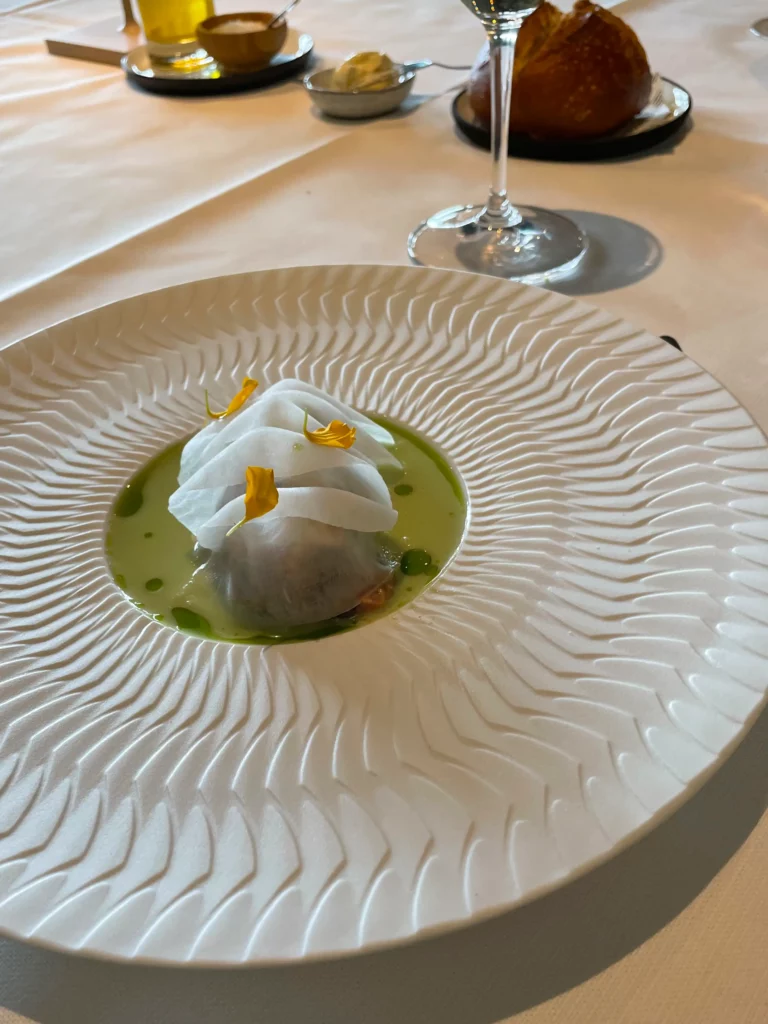
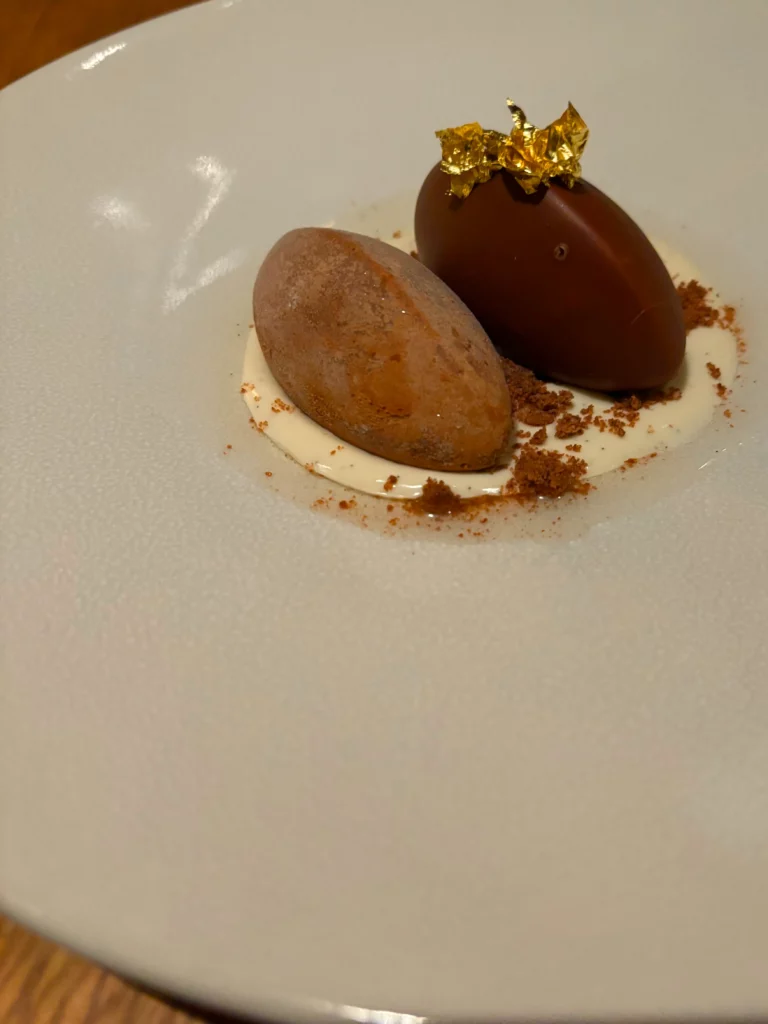
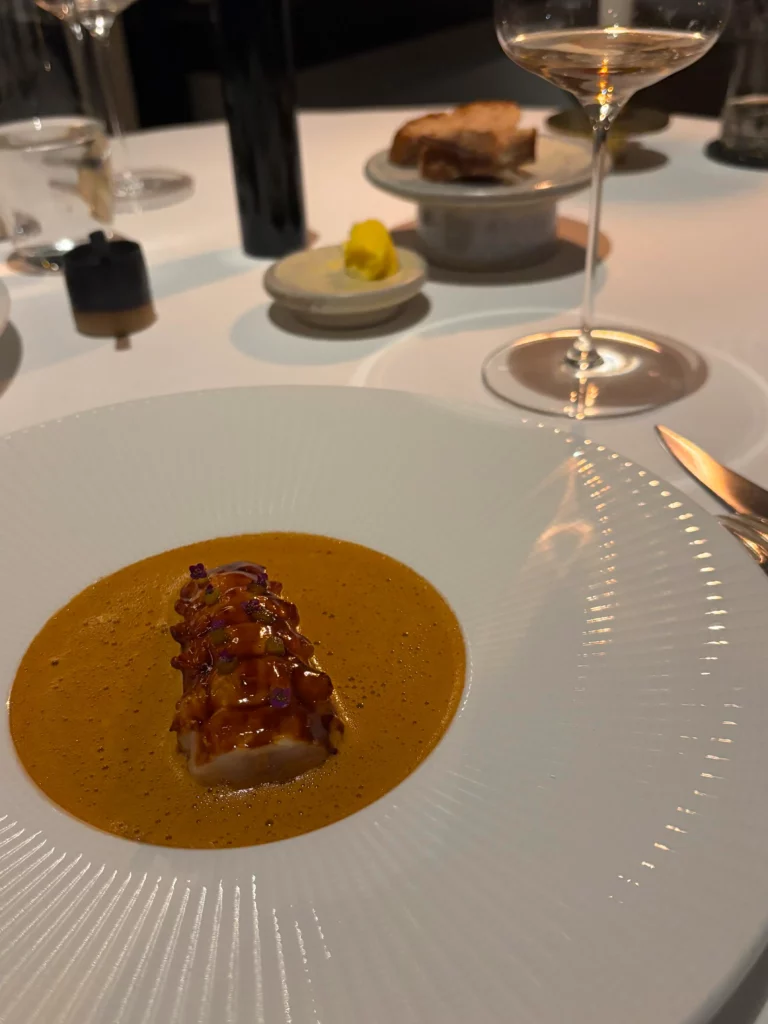
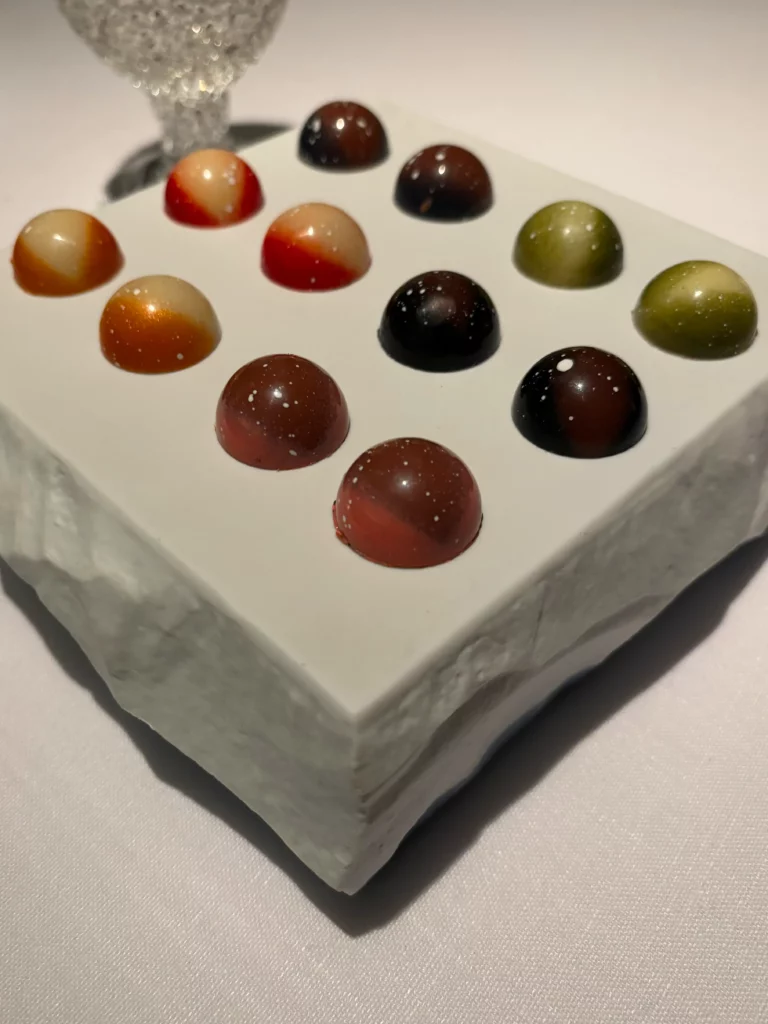
After experiencing both one and two-star Michelin restaurants, we realized that the difference is not simply about “better food.” It is about how completely the entire experience is designed around the guest.
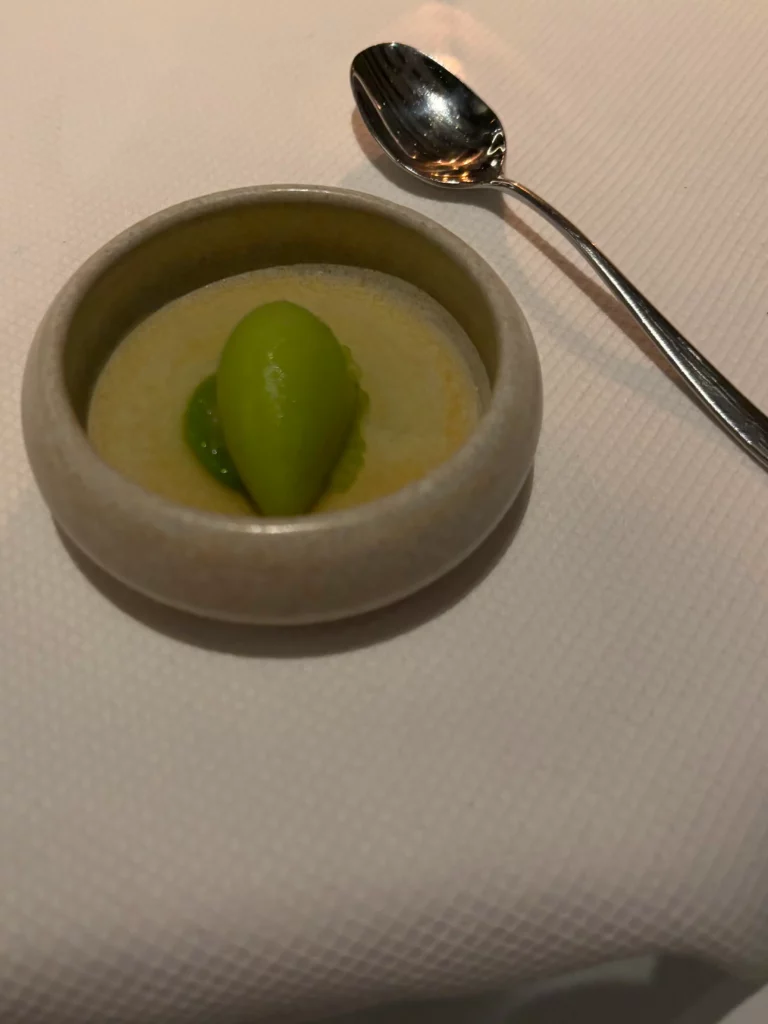
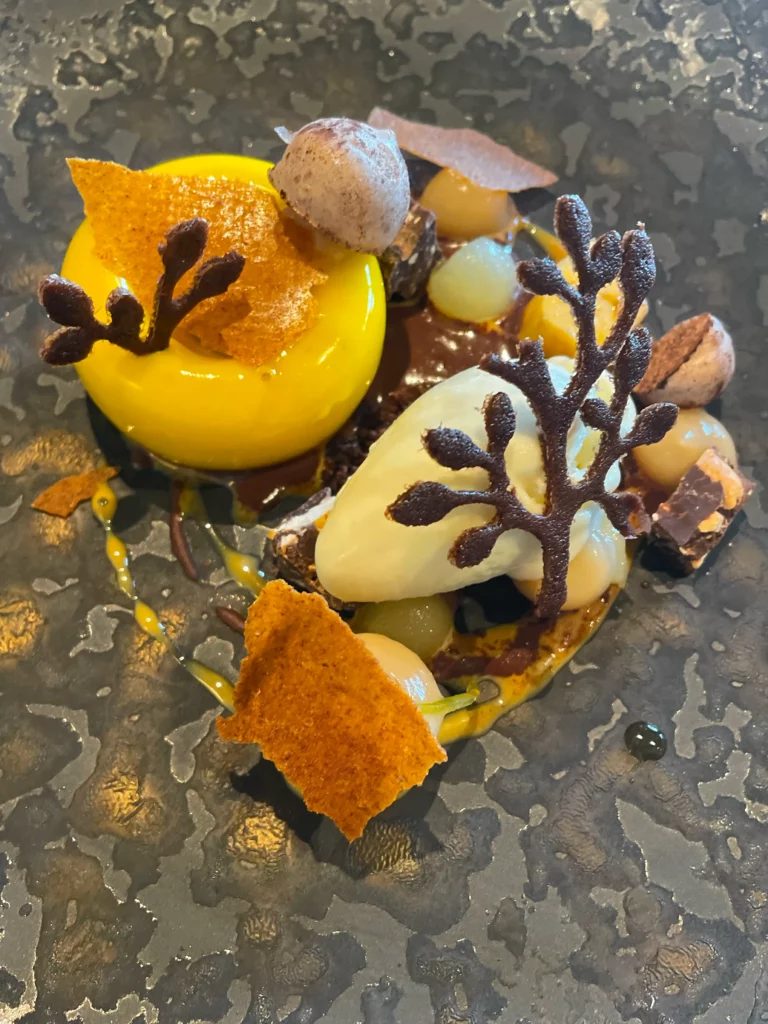
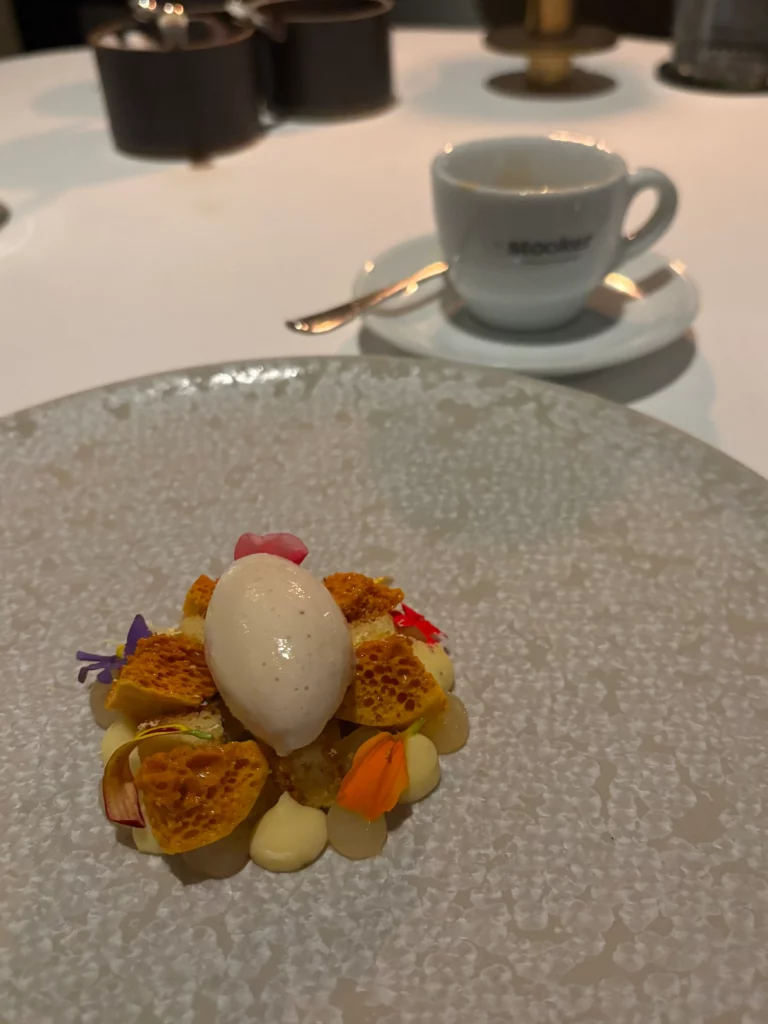
At one-star restaurants, we often experienced excellent cooking. The dishes were refined, creative, and technically impressive. We enjoyed beautiful flavor combinations and carefully plated courses. But at times, the experience still felt centered primarily around the food itself.
At two-star restaurants, something changed.
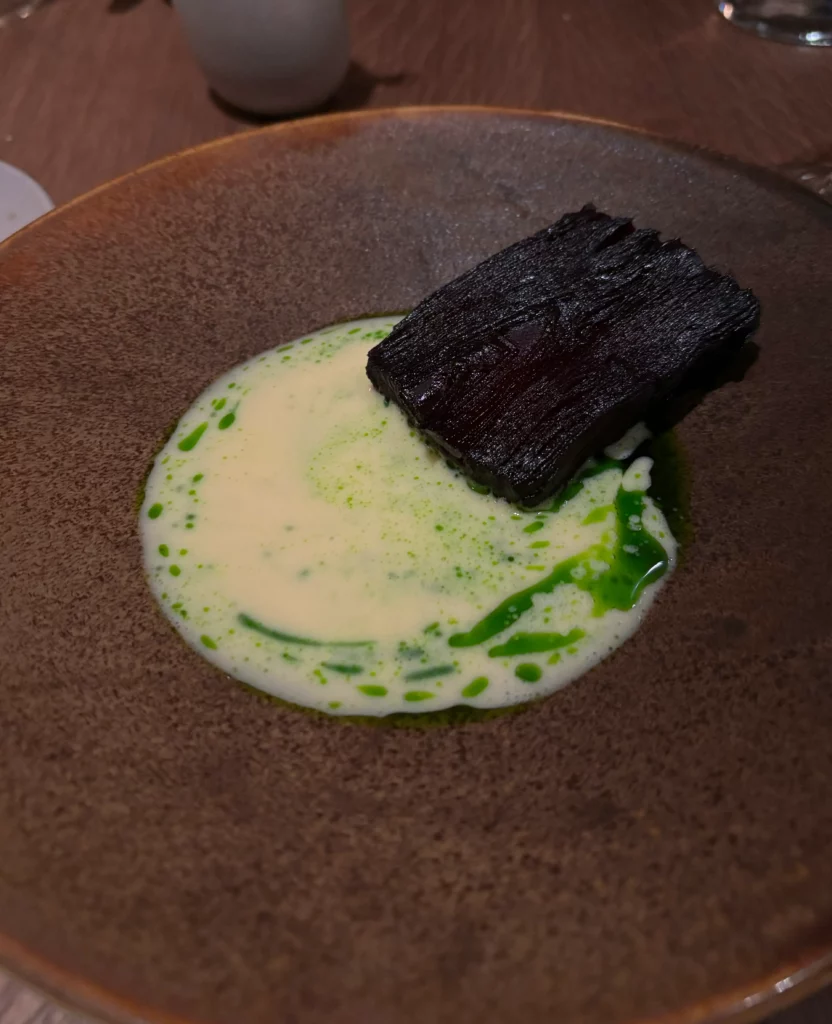
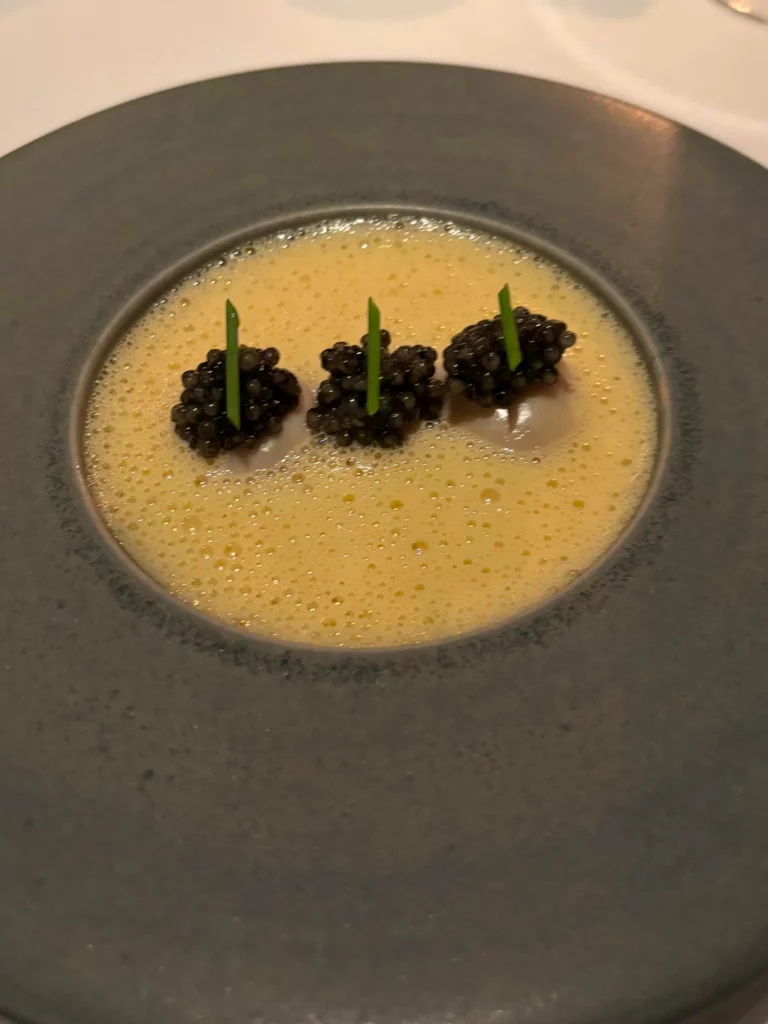
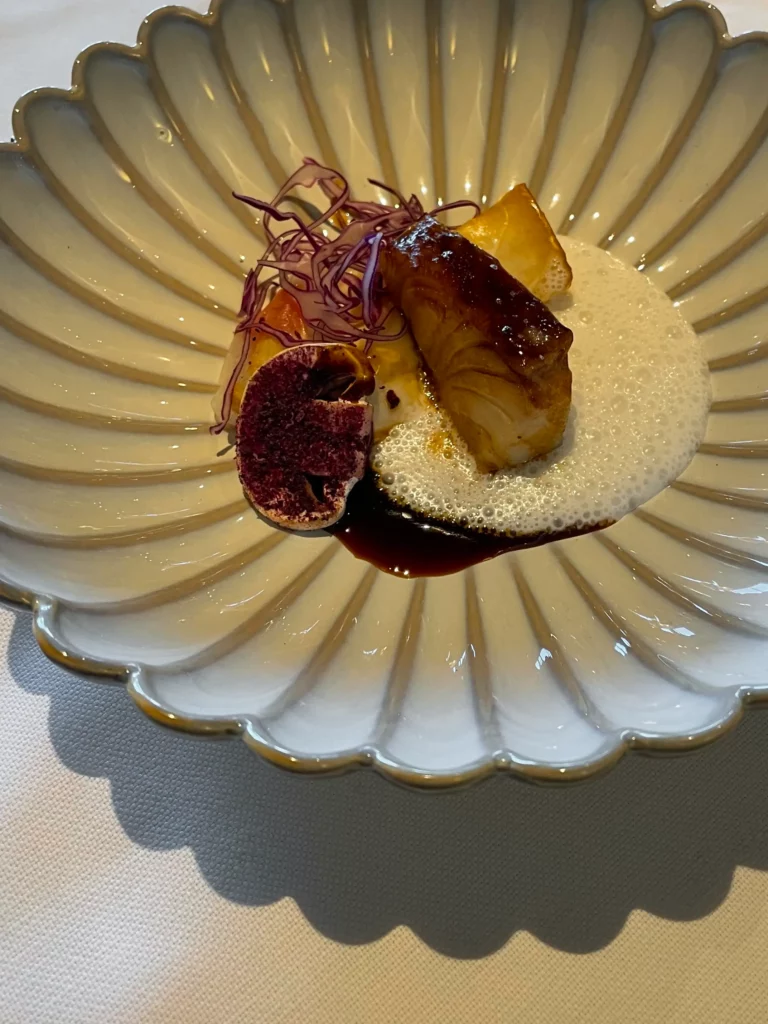
The evening no longer felt like a sequence of dishes, but like a fully orchestrated journey. Every course seemed to have a purpose within a larger composition. Flavors became more dynamic and layered, moving between delicacy, intensity, freshness, depth, and balance with much greater precision.
What stood out even more was the level of hospitality.
We noticed that we were constantly taken care of without ever needing to ask. When one of us stood up, someone immediately and naturally guided us toward the restroom. Chairs were adjusted silently. Napkins were folded while we were away from the table. Glasses were refilled at exactly the right moment.
At one point, we were invited into the kitchen for a small tasting, and before we even explained anything, the chefs already knew exactly which guest had allergies. That level of communication and attention to detail left a strong impression on us.
The service at two stars did not feel formal or forced. It felt effortless, calm, and deeply attentive almost invisible in the best possible way.
We also noticed a major difference in how ingredients were presented and why some ingredients was chosen were introduced simply by name. Nothing felt accidental.
What we ultimately realized is that one-star restaurants often offer outstanding dishes, while two-star restaurants create a complete world around the guest. The difference is not just culinary skill, but the integration of cuisine, service, storytelling, atmosphere, and timing into one seamless experience.
At one star, we felt impressed by the food.
At two stars, we felt genuinely cared for.