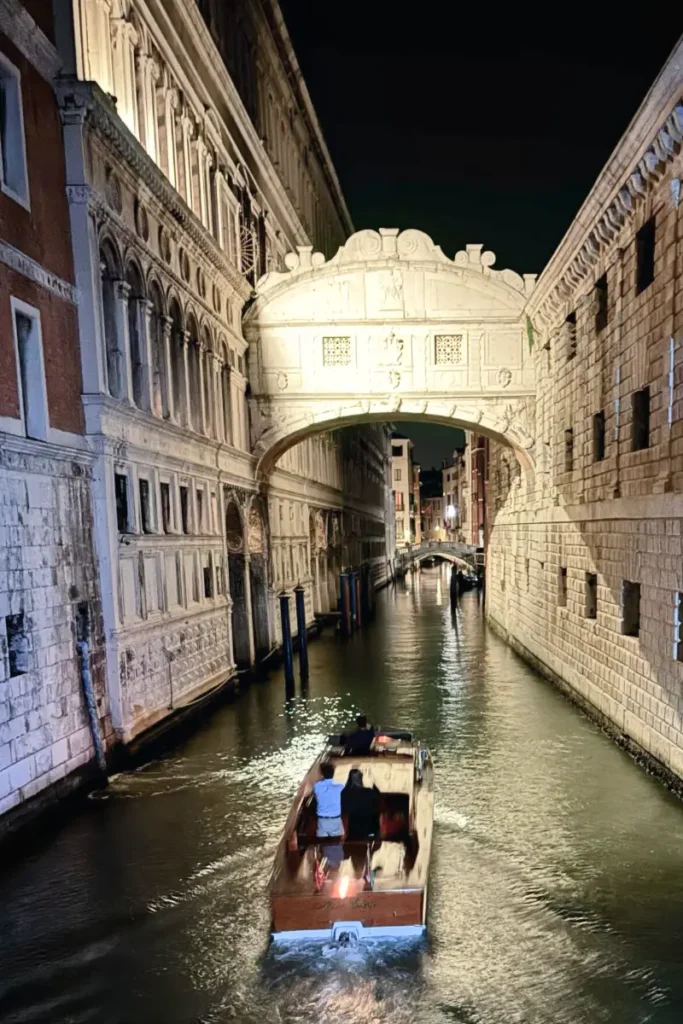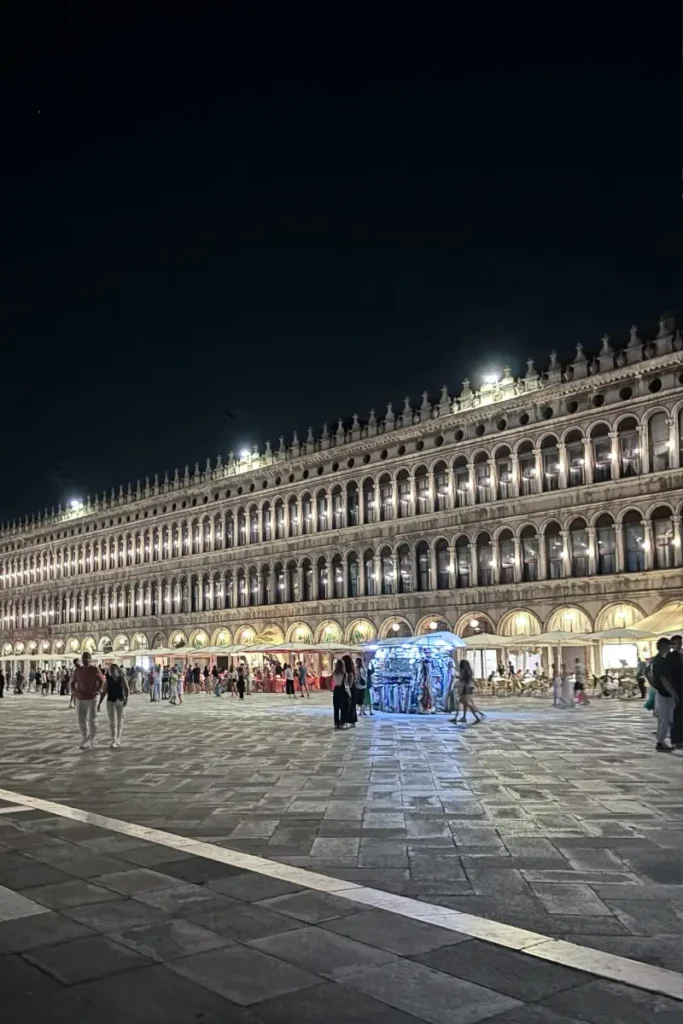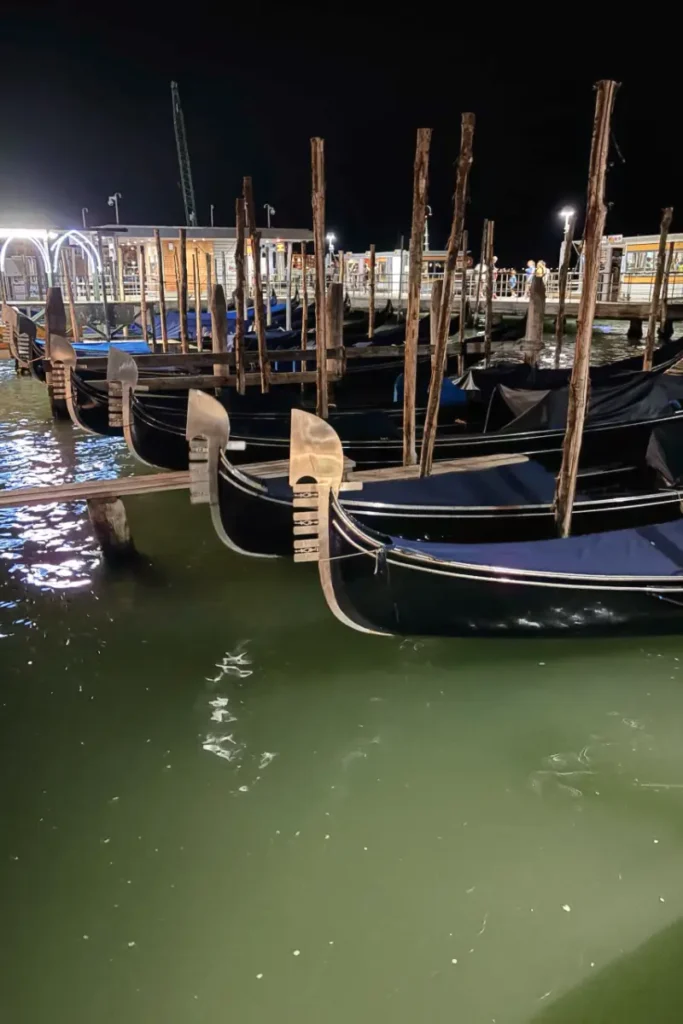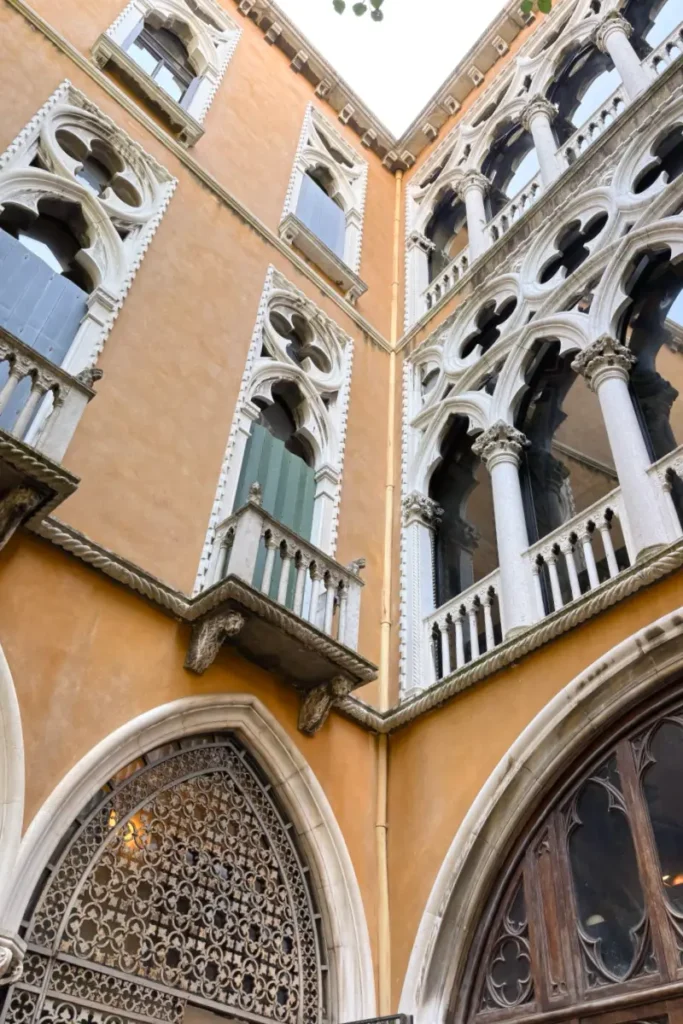

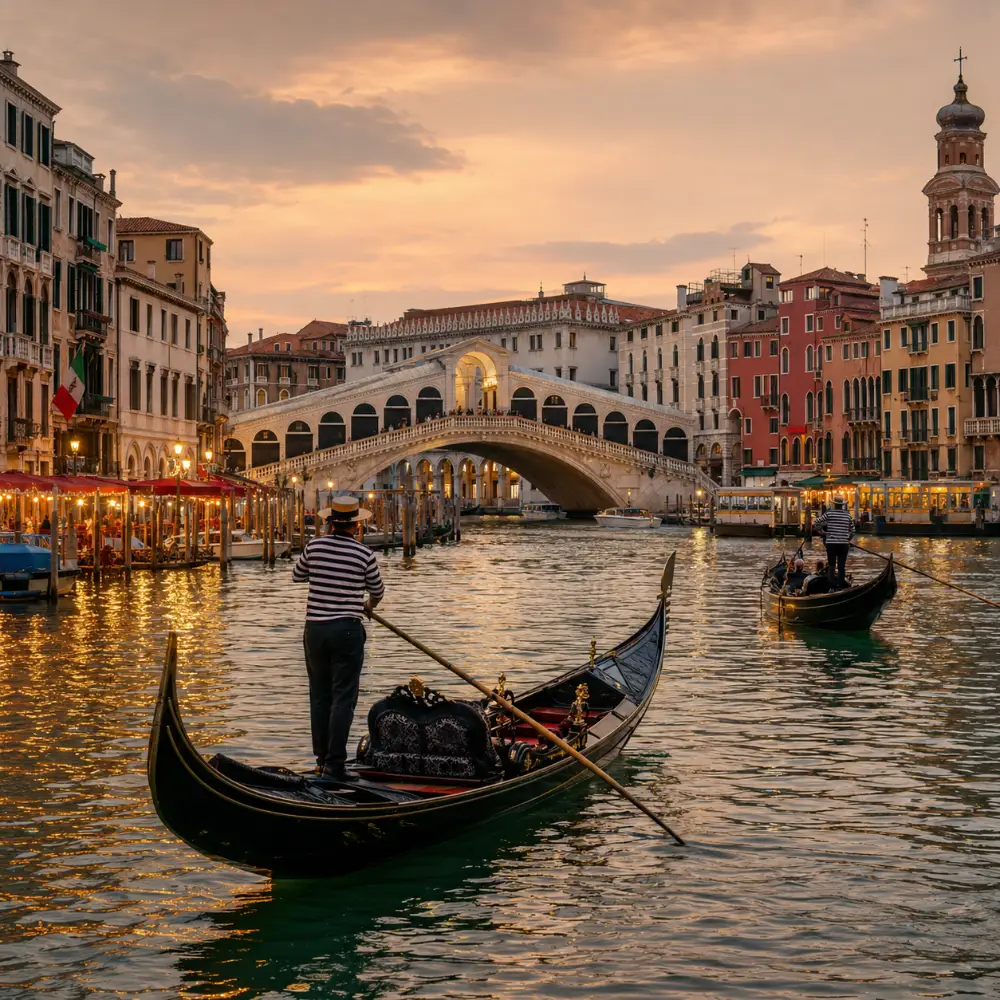
Venice, when you hear its name, the same image probably comes to mind: elegant gondolas gliding through the canals, the melodic sound of oars echoing beneath stone bridges, magnificent squares, and a history carrying the traces of centuries. Located on the waters of the Adriatic Sea, this enchanting city is truly a fairytale world with its 118 islands and 435 bridges. For first-time visitors, the view feels almost surreal; with its narrow streets, waterways, and squares whispering history at every corner, Venice offers a truly unique experience.
One of the most important access points to Venice is the Ponte della Libertà (Bridge of Liberty), built in the 19th century. Stretching nearly four kilometers, this bridge is the only road connection between Venice and mainland Italy. Crossing it brings you to Piazzale Roma, the gateway to the city. From that point onward, however, a remarkable transformation awaits: motor vehicles give way to waterways, and buses are replaced by vaporetto boats and gondolas.
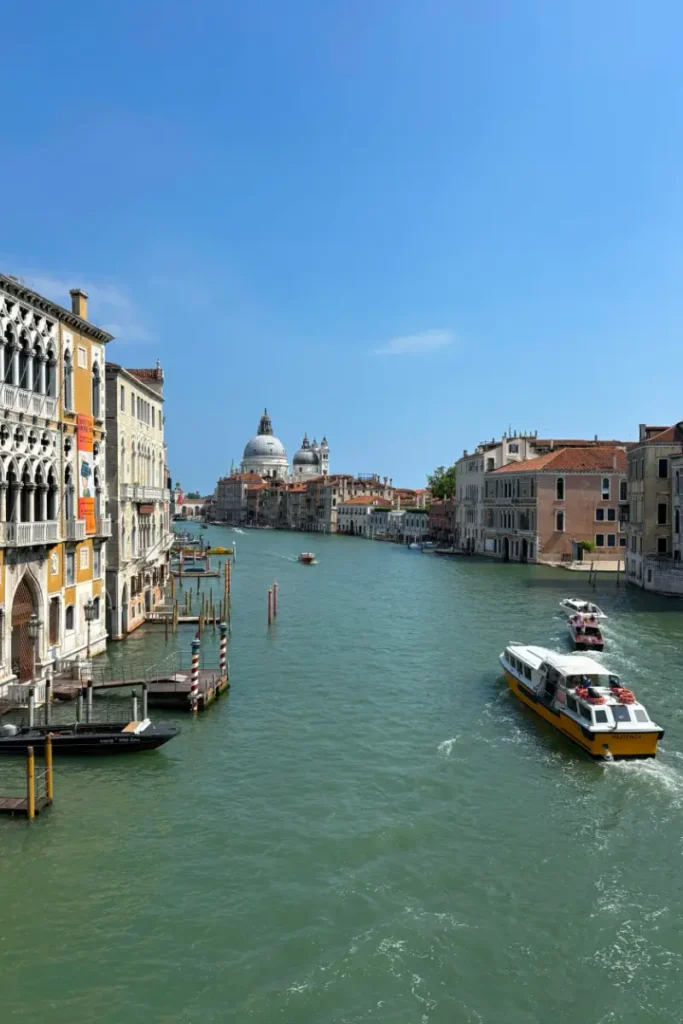
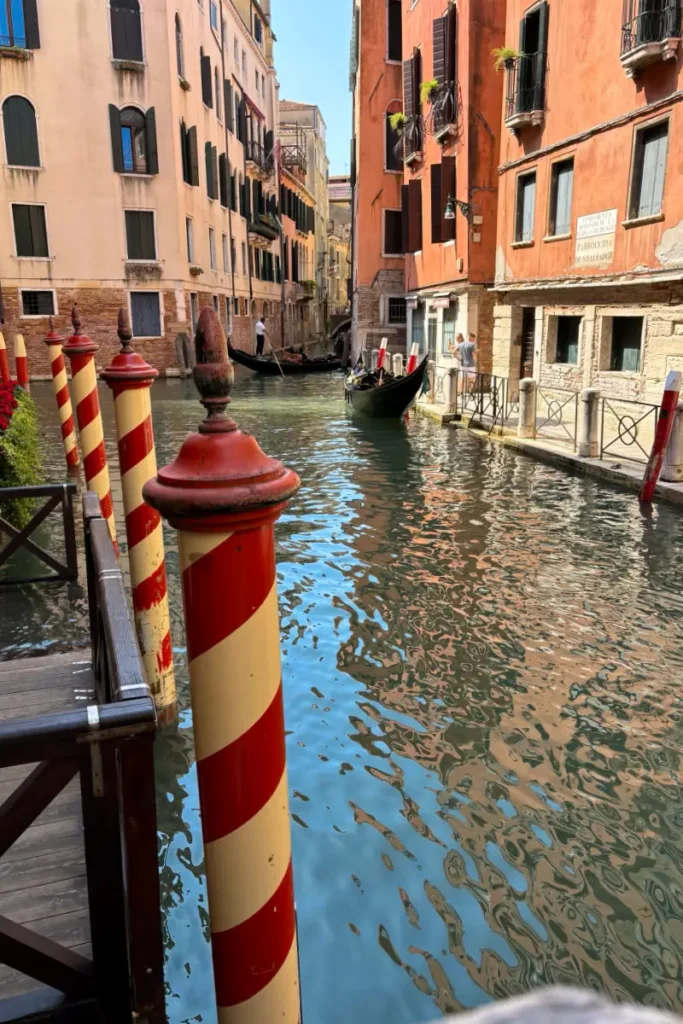
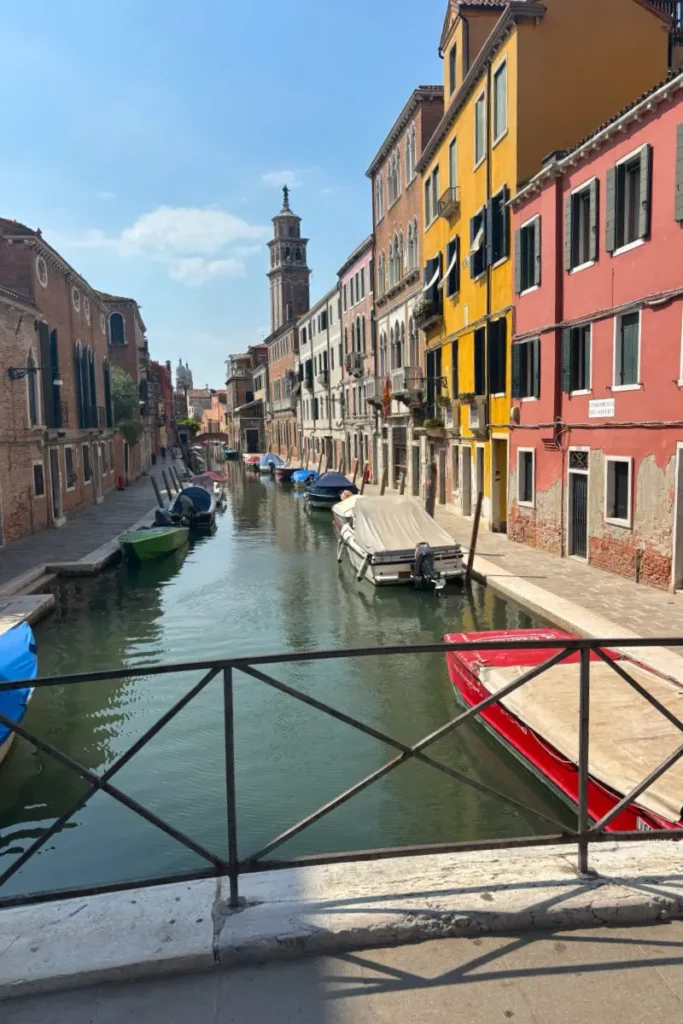
From Piazzale Roma, you can fully immerse yourself in the magical atmosphere of the city. Whether gliding through the canals aboard historic water buses or exploring the narrow alleys on foot, discovering Venice is a pleasure in itself. Every bridge leads you from one island to another, and every canal carries a story from the past. Moving through this city is not simply about getting from one place to another it is a journey through history itself.
Venice forces you to slow down. Without cars or constant rush, every walk becomes almost meditative.
Venice rising above the water embraces you not only as a destination, but also as a feeling, a journey through time, and a living work of art.
Located six kilometers north of the island, Marco Polo Airport is one of the main gateways to Venice. From here, visitors have several transportation options to reach the city center: water taxis offer comfort and speed, while vaporetto services especially the Alilaguna lines provide an unforgettable journey across the lagoon. For travelers seeking a more economical option, buses offer easy access to Piazzale Roma. Yet for many first time visitors, arriving by vaporetto remains the preferred choice; gliding through the magical atmosphere of the lagoon is one of the most unforgettable ways to enter the city.
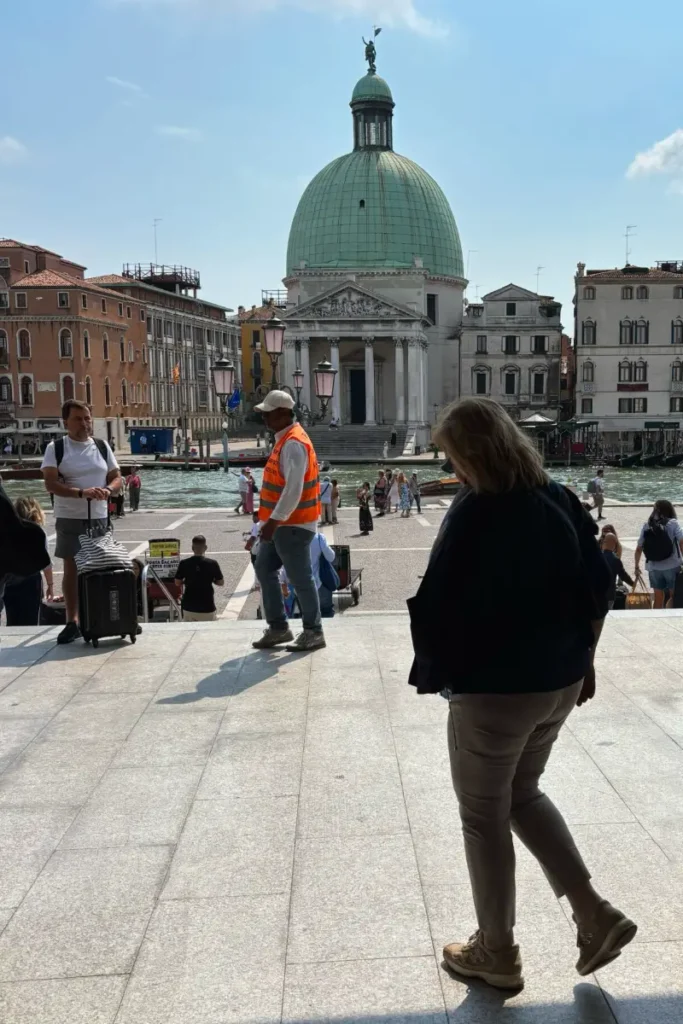
For those traveling by train, Santa Lucia Railway Station provides direct access to the heart of Venice. Construction of the station began in 1841, and with its modern infrastructure and 23 platforms, it has become one of Europe’s busiest railway stations. Travelers arriving here can step directly into the island’s unique streets within moments. The nearby Santa Lucia Church, demolished between 1861 and 1863 to make room for the railway, gave the station its name. Interestingly, the saint’s relics are now preserved in the nearby Church of San Geremia.
No matter how you choose to arrive in Venice, the moment you enter this fairytale-like city will undoubtedly become one of the unforgettable memories of your journey.
Where to Stay in Venice
Venice offers accommodation options for every budget and travel style. The city is generally divided into two main accommodation areas: the island itself and the mainland.
Staying on the island does not necessarily have to be expensive. Travelers who book early can often find affordable accommodations, including hotels located just ten minutes by boat from St. Mark’s Square. There are also hotels that offer more tranquility, combined with breathtaking views over the lagoon and Venice’s historic skyline.
For travelers looking for more economical accommodations, the mainland especially Mestre is an attractive alternative. Mestre is located very close to Venice, and from there the island can be reached by bus in approximately 10 to 15 minutes. Hotels in Mestre often provide larger rooms and more modern facilities, while the excellent transportation network allows easy access to the city.
Travel dates also play an important role when choosing accommodation in Venice. During periods such as the Venice Carnival or the summer months, hotel prices can rise significantly due to high demand. Booking early can help secure better prices and more affordable options.
Staying on the island allows visitors to experience the soul of Venice more deeply, while mainland accommodations provide a more economical solution and also serve as a convenient base for exploring nearby regions. Whichever option you choose, Venice’s enchanting atmosphere will accompany every moment of your stay.
The weather in Venice is an important factor when planning your visit. The city has a Mediterranean climate, with mild winters and hot, humid summers. One of the most remarkable phenomena associated with Venice is the “acqua alta” (high water), which mainly occurs during autumn and winter.
During acqua alta, rising sea levels flood the city’s narrow streets and squares. In these periods, Venetians install temporary wooden walkways a familiar sight throughout the city. Low-lying areas such as St. Mark’s Square are particularly affected. Although high water can create challenges, it also adds another magical dimension to Venice’s atmosphere. People walking through flooded streets in boots and the reflections of historic buildings shimmering on the water create unforgettable scenes.
While acqua alta may occasionally disrupt daily life, it adds a unique layer to Venice’s fairytale-like world. Those who visit the city during this period have the chance to experience Venice from a perspective few ever witness.
From Venice, you can also easily reach Verona, a city that should not be missed. Some even consider Verona to be more romantic than Venice although naturally without the famous canals. Both train and car connections make Verona perfect for a day trip, but thanks to its charming squares, historic streets, and romantic atmosphere, it is also an ideal destination for a longer stay.
Venice is more than a destination; it is a lifestyle. A city where time slows down, where beauty is hidden in the smallest details, and where the Italian dolce vita can be felt in every walk along the water.