
Why Barber Culture Is Making a Comeback
For years, many men treated haircuts as little more than a practical necessity something to squeeze into a busy schedule between work meetings and weekend errands. But recently, something has changed. Across cities large and small, barber culture is experiencing a remarkable revival. Traditional barbershops are thriving again, and modern men are rediscovering the value of grooming as an experience rather than just another appointment.
From luxurious hot towel shaves to carefully crafted fades and beard sculpting, barber culture has evolved into something that feels both nostalgic and refreshingly modern. And perhaps that is exactly why it resonates so strongly today.
Historically, barbershops were never simply places to cut hair. For centuries, they served as social hubs where men gathered to talk, relax, debate current events, and connect with their communities. Ancient Greek and Roman societies already viewed barber spaces as meeting points for conversation and public life.
In many ways, today’s barber revival taps into that same human desire for connection and ritual.
Modern life is increasingly digital, fast-paced, and often impersonal. Many daily interactions happen through screens rather than face-to-face conversations. Traditional barbershops offer something rare: a moment to slow down. Sitting in a barber chair, away from notifications and deadlines, has become a small luxury in itself.
The appeal is not only about appearance. It is about atmosphere.
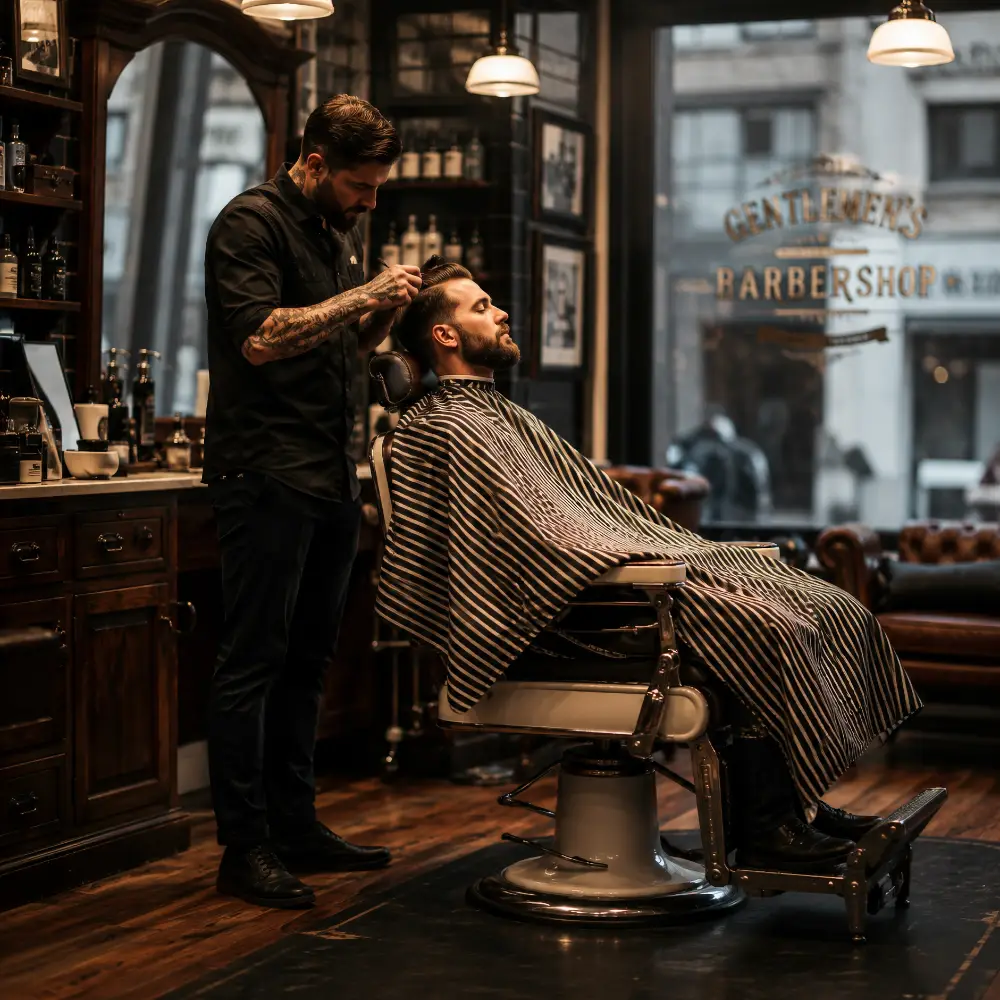
Step into a contemporary barbershop and you will often find vintage leather chairs, warm lighting, classic music, espresso machines, whisky bars, or carefully curated interiors inspired by old-school craftsmanship. Shops like Van de Hare Amsterdam Barber embrace nearly a century of barber tradition while combining it with a modern lifestyle experience. Meanwhile, places such as District Barber Amsterdam focus on premium grooming with an energetic urban atmosphere.
This blend of heritage and style strongly appeals to modern men who increasingly value authenticity and craftsmanship.
At the same time, men’s grooming itself has evolved dramatically. Beards are no longer seen as untidy or temporary trends. Facial hair grooming has become part of personal style, and many men now seek professional beard shaping, skincare treatments, and precision styling that traditional salons often did not specialise in.
Barbers have become grooming specialists rather than simply hairdressers.
Social media has also played a major role in the comeback. Platforms like Instagram and TikTok have transformed barbering into a visual craft. Detailed fades, textured cuts, beard transformations, and razor-sharp line-ups are shared daily with millions of viewers worldwide. Barbers are now seen not only as service providers, but often as artists and tastemakers.
For younger generations especially, visiting a barber has become part of a lifestyle identity.
Interestingly, the resurgence of barber culture also reflects a wider movement toward slower living and self-care. In the past, wellness conversations were often directed mainly toward women. Today, more men openly invest in personal care routines, grooming rituals, fitness, mindfulness, and mental well-being.
A visit to the barber fits naturally into that shift.
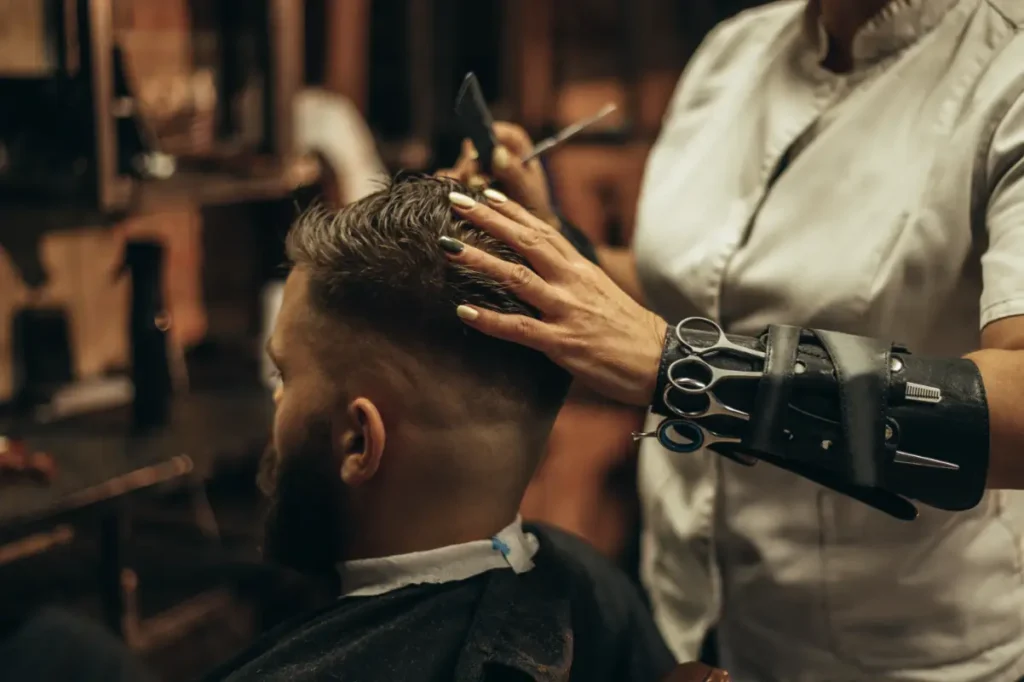
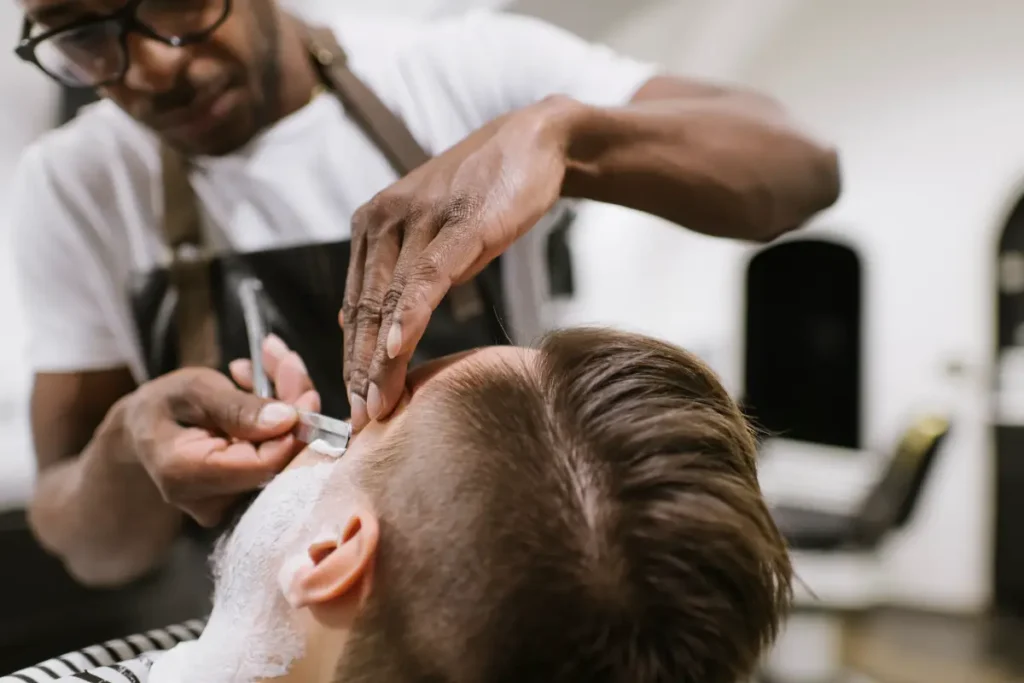
There is also something deeply comforting about the rituals themselves. The warm towel. The scent of shaving cream. The precision of a straight razor shave. The sound of scissors and clippers. These sensory details create a feeling of tradition and calm that many people miss in modern consumer culture.
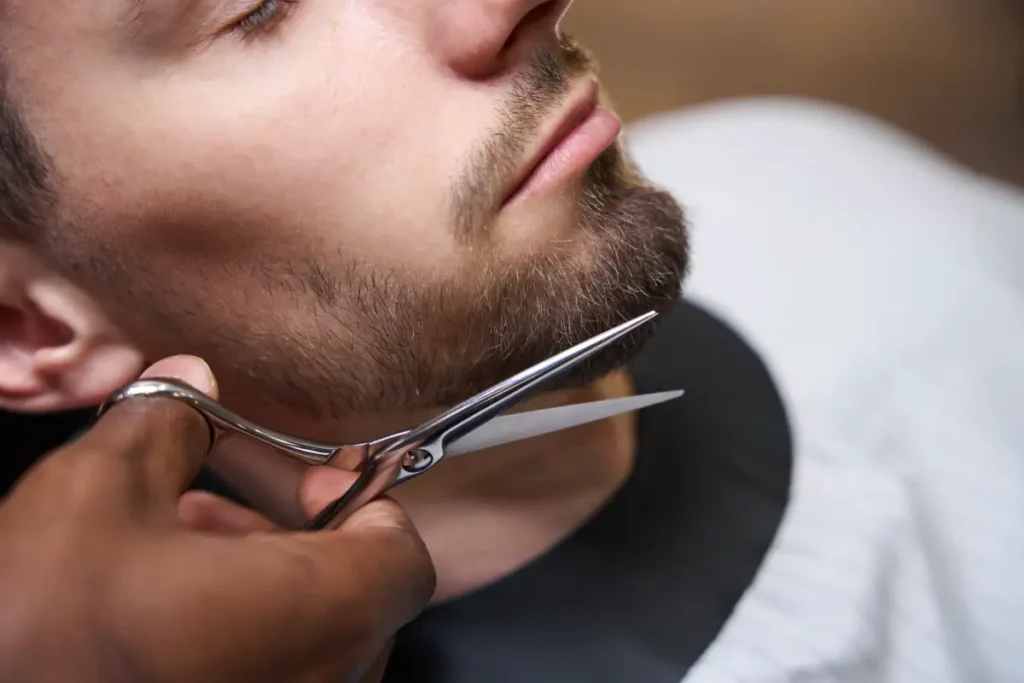
In a world dominated by speed and convenience, barber culture offers intentionality.
Even the design of many modern barbershops reflects this desire for timeless experiences. Rich woods, vintage décor, marble counters, classic barber poles, and old-fashioned hospitality create spaces that feel grounded and masculine without becoming overly formal. Some shops even combine grooming with cafés, cocktail bars, or lifestyle retail concepts.
The result is an experience that feels curated rather than transactional.
Importantly, barber culture is not only about nostalgia. The best modern barbershops successfully combine classic techniques with contemporary style awareness. Today’s barber understands both timeless cuts and modern fashion trends. Clients want versatility: professional enough for business meetings, stylish enough for social occasions, and effortless enough for everyday life.
That balance is part of the modern appeal.
Ultimately, the return of barber culture says something larger about how people want to live today. As life becomes more digital, many individuals crave tactile, authentic experiences rooted in craftsmanship, conversation, and community. Barbering delivers all three.
A great barbershop is not merely a place to improve how you look. It is a place where style, ritual, confidence, and human connection come together.
And perhaps that is why barber culture never truly disappeared it simply waited for the modern world to rediscover its value.